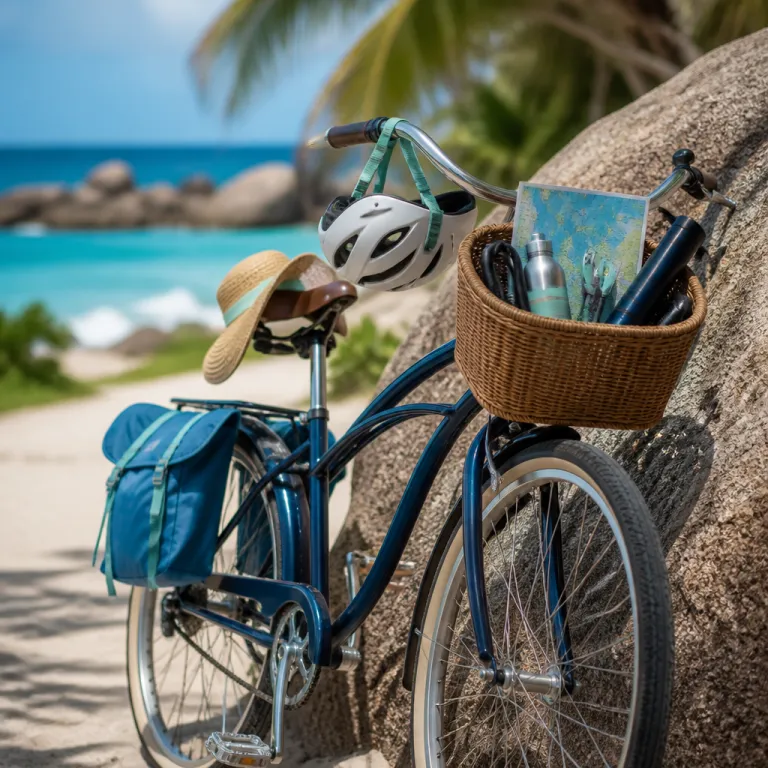
Why La Digue belongs to the bicycle
La Digue is the Seychelles island where a bike is not a prop. On this compact 10 square kilometre speck in the islands Seychelles, cycling is how La Digue residents commute, how school runs happen, and how visitors feel the island’s rhythm without a windshield. With roughly 2 000 to 3 000 people and no car rental, the few trucks and electric buggies that do exist feel like guests on roads designed for a slow ride.
For solo travellers using a La Digue Seychelles bicycle guide, this car free reality is liberating rather than limiting. You step off the ferry from Praslin or Mahé, wheel your Seychelles bike from one of the rental shops near the jetty, and within minutes the sea breeze replaces air conditioning. The whole island is only about 5 kilometres by 3 kilometres, so every beach, estate park and café sits within an easy bike ride, even if some routes demand a little sweat.
The context matters for luxury travellers who usually arrive by transfer and golf cart. Here, the most exclusive experience is not a private island helicopter hop but the quiet of an early morning bike tour when the only sounds are waves and the occasional ox cart on the road. This is where a curated travel guide earns its keep, helping you find the right bike rental, the most scenic route to each beach, and hotels that understand guests will arrive with sand on their calves rather than luggage wheels.
Choosing your bike and planning your routes
Step one in any serious La Digue Seychelles bicycle guide is choosing the right bike. Many hotels and guesthouses on the island offer in house bike rental, while several dedicated rental shops cluster around the jetty where the ferry docks. Prices usually sit close to 10 euros per day, or around 150 to 200 Seychelles rupees, which makes cycling the most elegant value play in a destination where a poolside cocktail can cost the same.
Ask for a well maintained Seychelles bike with working lights, a basket and a lock, even if locals insist locking is optional. The official advice is clear ; “Many accommodations offer rentals; official shops are near the port.” and “Is it necessary to lock my bicycle? Often not required, but use a lock if provided.”, so treat the lock as peace of mind when you leave your bike at a beach. Child seats and smaller frames are available, which matters if your solo trip occasionally becomes a family detour with visiting friends.
Once you have the right frame, plan your first tour around the three classic axes. One route runs south through La Passe and into L’Union Estate, the historic coconut and vanilla estate that now operates as Union Estate Park and the gateway to Anse Source d’Argent. Another road cuts across the island toward Grand Anse and the wild southeast beaches, with a short but steep hill that rewards a patient ride. A third, quieter route traces the east coast past Anse Sévère and on toward Anse Fourmis, where the tarmac narrows and the islands Seychelles feel very far from resort formality.
Anse Source d’Argent and Union Estate by bike
No La Digue Seychelles bicycle guide is complete without Anse Source d’Argent, the beach that launched a thousand screensavers. To reach it, you cycle through Union Estate, a former coconut and copra estate that now blends heritage buildings, giant tortoises and vanilla vines with a manicured estate park. The entrance fee covers both the historic Union Estate and the path to the beach, so keep your ticket handy as you glide past the old plantation house and granite boulders.
Arrive early by bike, ideally before 9 a.m., to experience Anse Source d’Argent before the day trip crowds from Praslin and Mahé. The coastal route from La Passe is flat and shaded, making the ride gentle even in the heat, and the last stretch through the estate feels like a private tour through a living museum. When you reach the shoreline, the famous boulders frame the lagoon in a way no architect could, and the shallow water makes this beach ideal for long, lazy swims between photography sessions.
Stay long enough to wander beyond the first cove, because several smaller beaches hide behind the initial granite outcrops. Each beach offers a slightly different angle on the same argent coloured rock, and the further you walk, the fewer people you find. Lock your bike near the main path, note the simple rental stands for kayaks and snorkel gear, and remember that the ride back through Union Estate in late afternoon light can be as beautiful as the beach itself.
Grand Anse, Anse Sévère and the east coast rhythm
Where Anse Source d’Argent is polished, Grand Anse is raw theatre. The route from La Passe to Grand Anse crosses the island’s interior, climbing a short but punchy hill that will test your legs and your bike’s gears. Take it slowly, pause at viewpoints where the forest opens, and you will understand why a La Digue Seychelles bicycle guide insists this ride is worth the sweat.
On the far side, Grand Anse appears suddenly, a long curve of pale sand and powerful surf that feels far removed from the lagoon calm of the west coast beaches. Swimming can be risky here when the swell is up, so treat this beach as a place for walking, photography and feeling the Atlantic like energy of the Indian Ocean. From Grand Anse, confident cyclists can continue by footpath toward Petite Anse and Anse Cocos, but the bike stays at the road’s end, locked to a palm or resting in the shade.
In the opposite direction, the coastal ride north to Anse Sévère offers a softer, more social rhythm. This beach near the main village is ideal for a late afternoon swim, with shallow water, casual bars and a relaxed crowd that often includes La Digue residents finishing work. Continue beyond Anse Sévère and the road narrows toward Anse Fourmis, passing small guesthouses, the occasional estate and viewpoints where the islands Seychelles of Félicité and Marianne sit offshore like green sculptures.
Wildlife, viewpoints and where to pause between rides
La Digue is not only about beaches ; it is also about the quiet spaces between them. A short ride from the main village brings you to the Veuve Special Reserve, a pocket of forest created to protect the Seychelles black paradise flycatcher. Here, rangers help you find the elusive bird, and the slow pace of walking after cycling sharpens your senses to every rustle in the canopy.
Elsewhere on the island, viewpoints like Nid d’Aigle and Belle Vue reward those willing to trade the bike for a steep footpath. You can cycle to the base of these climbs, leave your Seychelles bike at a safe spot, and then hike up for wide views across La Digue, Praslin and the outer islands. The contrast between the quiet of the special reserve and the open panoramas from Nid d’Aigle captures the full range of what this small island offers to a solo explorer.
Between rides, skip the hotel buffet and eat where La Digue residents actually queue. Simple takeaways near the jetty and along the main road serve kari pwason, grilled fish and fresh juices that taste better after a long bike tour than any plated resort lunch. On the east side, Chez Jules is a favourite pause point near Anse Banane, while those craving spa level indulgence can pair their cycling days with a stay at one of the Seychelles spa resorts highlighted in the curated guide to Seychelles spa resorts worth the flight, which keeps you close to La Digue while raising the comfort bar.
How cycling shapes your hotel choice on La Digue
For travellers using a La Digue Seychelles bicycle guide to plan a stay, the map of the island looks different. Distance is measured not in driving minutes but in pedal strokes, and the most desirable hotels are often those that sit within an easy ride of both the jetty and key beaches. Properties near La Passe place you close to bike rental, Union Estate, Anse Source d’Argent and the evening buzz of the waterfront, which suits solo explorers who like to alternate solitude with a little human theatre.
Those who prefer quieter nights might choose small estates on the east coast road, trading proximity to the ferry for easier access to Anse Sévère, Anse Patates and the wilder stretches toward Anse Fourmis. In these areas, you wake to the sound of waves rather than engines, step onto your terrace, and see your Seychelles bike waiting like a personal shuttle. The absence of car rental means hotels that understand cycling will offer secure parking areas, basic repair tools and staff who can suggest the best route for the day’s wind and tide.
Luxury in this context is not about marble lobbies but about thoughtful details for guests who move on two wheels. That might mean chilled water refills before you ride to Grand Anse, flexible breakfast hours for those who want to reach Anse Source d’Argent before the crowds, or concierge teams who know which rental shops maintain their fleets best. When a hotel aligns with the island’s cycling culture, your stay feels less like a packaged holiday and more like a temporary life on La Digue, where no car belongs and every road leads to the sea.
FAQ
How do I rent a bicycle on La Digue ?
Bicycle rental on La Digue is straightforward, with many hotels and guesthouses offering bikes directly to guests. If your accommodation does not provide a Seychelles bike, several rental shops operate near the ferry jetty in La Passe. You can usually arrange a daily or multi day rental on arrival, with simple contracts and payment in cash or card.
Are there child friendly bicycles available on the island ?
Families visiting La Digue will find child sized bikes and child seats available at most established rental shops. When you book your accommodation, ask whether they can pre arrange suitable frames or seats, especially during busy periods. Helmets for children are sometimes limited, so bringing your own can be a wise choice for extra safety.
Is it necessary to lock my bicycle on La Digue ?
The island has a relaxed atmosphere, and many La Digue residents leave bikes unlocked outside homes and shops. Visitors are usually advised that locking is not strictly necessary, but using a lock when provided is sensible, particularly at popular beaches like Anse Source d’Argent and Grand Anse. A simple cable lock is enough to give peace of mind while you swim or hike.
How long does it take to cycle around the island ?
La Digue is small enough that a reasonably fit cyclist can cover the main roads in a half day of relaxed riding. However, a thoughtful La Digue Seychelles bicycle guide encourages you to slow down, stopping at beaches, cafés and viewpoints rather than treating it as a race. Plan at least two full days of cycling if you want to explore Union Estate, Anse Source d’Argent, Grand Anse, Anse Sévère and the Veuve Special Reserve without rushing.
Is cycling on La Digue suitable for beginners ?
The terrain on La Digue is mostly gentle, with only one significant hill on the route to Grand Anse, so beginners can enjoy the island comfortably. You can choose flat routes along the west and north coasts, focusing on Anse Source d’Argent, Union Estate and Anse Sévère if you prefer to avoid climbs. Taking regular breaks, riding early or late in the day and carrying water will keep the experience pleasant even for those new to cycling.