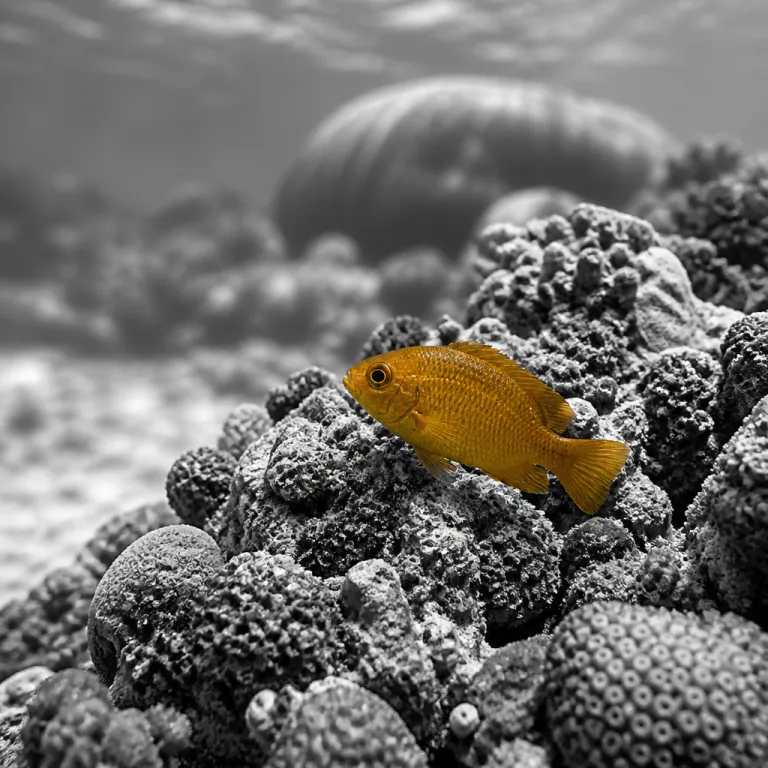
How to use this Seychelles snorkeling guide as a family
This Seychelles snorkeling guide is written for families who want effortless access to reefs straight from the sand. You do not need a dive licence to see serious marine life here, because many beaches place coral gardens just a few metres from the shoreline where even cautious swimmers feel secure. Think of it as a curated map of islands, bays and beaches where the sea stays calm, the entry is gentle and the maximum depth remains manageable for children.
Across the archipelago of Seychelles, tourism authorities highlight dozens of recognised snorkeling spots, ranging from shallow lagoons to outer coral reefs with stronger currents. Public presentations by the Seychelles Tourism Board and the Seychelles National Parks Authority describe snorkeling as one of the country’s core marine activities, with a substantial share of visitors entering the water each year to explore the reefs. Snorkelers can choose between guided tours with local operators or self guided swims from hotel beaches, with most premium properties on Mahé, Praslin and La Digue offering complimentary masks and fins. For younger guests, bringing your own well fitting mask often matters more than chasing the very best snorkeling location, because comfort and confidence keep them in the water longer.
Families staying at luxury hotels often ask whether they need formal training before entering the sea. The answer is simple and reassuring; snorkeling in Seychelles is classed as a recreational activity, and no licence is required as long as you stay at the surface and respect safety advice. You will still share the water with turtles, clouds of reef fish and intricate coral formations, but you will do it at your own pace, close to the beach and usually within sight of a lifeguard or hotel team. Before your first swim, agree a clear signal for “stop” and “back to shore” with your children so everyone understands how to respond if anyone feels tired or uneasy.
Mahé: from Beau Vallon to Baie Ternay marine park
Mahé is where most international flights land, and it is also where this Seychelles snorkeling guide begins for practical reasons. The island offers a mix of easy entry beaches and more adventurous bays, so you can match each day’s plan to your children’s energy and the sea conditions. On the northwest coast, Beau Vallon beach is the classic first day spot, with a long sandy curve, clear waters and a gentle gradient that suits nervous swimmers.
While Beau Vallon is not the absolute best snorkeling in the country, it is ideal for practising with gear before heading to more structured reefs. You will still see colourful fish around scattered coral heads, especially near the rocky ends of the bay where marine life tends to concentrate. Several tour operators based at Beau Vallon, such as Mason’s Travel and local boat charters operating from the main beach, run half day trips by boat to nearby snorkeling spots, including the marine park at Baie Ternay where the coral reefs are healthier and the sea life more abundant.
Baie Ternay marine park sits on a sheltered corner of Mahé, and its crystal clear water often feels like a natural swimming pool. Underwater visibility can reach around 30 metres in the calmer months, according to monitoring reports from the Seychelles National Parks Authority, which means children can watch turtles and schools of fish from the surface without diving down. Because this is a protected marine park, ask your hotel concierge to arrange a licensed guide who understands currents, maximum depth limits for your group and eco friendly practices such as using reef safe sunscreen. Morning departures, typically between 8:00 and 10:00, usually offer calmer seas and fewer boats.
On the southwest of Mahé, Anse Soleil and neighbouring coves offer a more intimate version of the Beau Vallon experience. The beach at Anse Soleil is smaller, framed by granite boulders and backed by hillside villas, and the reef begins closer to shore so you reach coral gardens after only a short swim. When the sea is calm, this bay can deliver some of the best snorkeling on the island for families who want a balance between comfort and genuine marine encounters. As a rule of thumb, children who are confident swimming 25 metres unaided in a pool tend to cope well here, provided an adult remains within arm’s reach in the water.
Praslin: Anse Lazio, St Pierre islet and family friendly reefs
Praslin is the second main island in Seychelles, and it feels softer and slower than Mahé while still offering polished luxury hotels. For many travellers, this is where the Seychelles snorkeling guide becomes truly photogenic, because the beaches combine powder sand with sculpted granite and clear waters. Anse Lazio on the northwest coast is often named among the best beaches in the world, and its wide bay gives families space to spread out and enter the sea without crowding.
Snorkeling at Anse Lazio works best near the rocky headlands at either end of the beach, where coral reefs shelter parrotfish, butterflyfish and the occasional hawksbill turtle. The central section of the bay is mostly sand, so treat it as a swimming zone and then fin gently towards the rocks when you are ready to explore marine life. Because the sea can deepen quickly here, keep an eye on the maximum depth your children are comfortable with, and use brightly coloured rash vests so they remain visible in the clear waters. Families with younger children often limit themselves to the inner ten to fifteen metres from shore, where the gradient is more forgiving.
From Praslin, one of the classic snorkeling Seychelles excursions is a boat trip to St Pierre islet, a tiny granite outcrop ringed by coral and palm trees. Here the reef starts almost at the surface, and the sea life feels concentrated, with shoals of fish swirling around the bommies and the chance of spotting turtles in the blue. Many family focused tour operators, including Creole Travel Services and smaller local skippers departing from Côte d’Or, combine St Pierre with a beach stop on Curieuse island, so you can meet giant tortoises on land before returning to the water for more snorkelling Seychelles style.
Several high end resorts on Praslin now work with marine conservation groups on coral restoration, and some invite guests to learn about coral nurseries between their snorkeling sessions. This is where the Seychelles snorkeling guide intersects with eco tourism, because children can see how damaged coral fragments are grown on frames before being replanted on the reef. Ask your concierge to check whether any coral nursery visits or talks are scheduled during your stay, as these experiences turn a simple swim into a deeper lesson about marine ecosystems. If possible, schedule these activities on windier afternoons when visibility may be lower, keeping the clearest mornings for reef exploration.
La Digue: Anse Severe, Anse Source d’Argent and slow island days
La Digue is the island where cars are almost absent, bicycles rule and days stretch out between tide changes. For families following this Seychelles snorkeling guide, it offers some of the easiest reef access in the archipelago, especially along the northern and western shores. Anse Sévère, just a short cycle from the main jetty, is a favourite first stop because the beach is compact, shaded by takamaka trees and protected by a shallow reef.
At Anse Sévère, the reef begins only a few metres from the sand, and the water usually stays calm behind the protective coral barrier. Children can float above patches of coral and watch small fish darting between rocks, while adults venture slightly further towards the outer edge where sea life becomes more varied. The maximum depth in the inner lagoon remains modest, which keeps this spot comfortable for less confident swimmers and allows parents to supervise easily from the beach. Aim for mid tide, when there is enough water to float without scraping coral but currents are still gentle.
Further south, Anse Source d’Argent is the iconic La Digue beach where granite boulders frame the sea like a natural sculpture park. The inner lagoon here is very shallow at low tide, so the best snorkeling happens around mid tide when there is enough water above the coral without creating strong currents. Families can wade out through crystal clear pools, then float above coral heads where small turtles sometimes graze and schools of reef fish flash between shafts of light. Younger children often enjoy simply exploring the sandy channels between rocks, where sea cucumbers and small invertebrates are easy to spot.
To understand the rhythm of La Digue beyond the beaches, read the slow travel guide to the island at La Digue by bicycle before you book your hotel. Combining that perspective with this Seychelles snorkeling guide helps you choose whether to stay near Anse Sévère for easy morning swims or closer to Anse Source d’Argent for sunset paddles. Either way, the island’s small scale means you can reach most snorkeling spots within a short cycle, turning every ride into part of the adventure.
On the wilder east coast, Anse Cocos offers a more adventurous option for experienced families willing to hike through the forest. The beach itself feels remote, and while the waves can be stronger, there are protected pools at one end where coral and fish shelter behind natural rock barriers. Always check with local guides or your hotel before attempting to snorkel here, because conditions change quickly and safety should outrank any promise of the best snorkeling on a given day. If red flags are flying or lifeguards advise against entering the water, treat Anse Cocos as a hiking and picnic destination instead.
Marine parks, Ste Anne and what you will actually see
Marine parks around Seychelles exist to protect coral reefs and the sea life that depends on them, while still allowing respectful access for snorkelers. For families using this Seychelles snorkeling guide, they offer structure and reassurance, because boat operators know the safest entries, the typical maximum depth and the best times for clear waters. Ste Anne Marine National Park, just fifteen minutes by boat from Mahé, is the most accessible example and an excellent choice with younger children.
At Ste Anne, glass bottom boat tours glide over coral gardens so even non swimmers can watch fish and turtles without entering the sea. When the captain anchors in a sheltered bay, confident guests slip into the water for guided snorkeling, while others stay on board and still enjoy the marine spectacle. Expect to see parrotfish, butterflyfish, damselfish and sometimes small reef sharks, which are generally harmless and more interested in hunting than in humans. Many operators provide life jackets or pool noodles for extra buoyancy, which can be reassuring for first time snorkelers.
Across Seychelles, typical marine life for snorkelers includes hawksbill turtles, octopus hiding in rock crevices, eagle rays in deeper channels and clouds of smaller fish around coral heads. In the shoulder months when the wind drops, underwater visibility can reach around 30 metres, which makes the experience feel almost like floating in air. During the southeast monsoon, exposed beaches may see stronger currents and reduced clarity, but sheltered bays and marine parks often remain suitable for family snorkeling. Checking daily forecasts from the Seychelles Meteorological Authority or updates posted by marine park rangers helps you match your plans to the safest conditions.
Some high end private island resorts, such as Six Senses Zil Pasyon, now run coral nursery programmes where guests can help attach coral fragments to frames before they are replanted on damaged reefs. This kind of activity turns a simple swim into a hands on lesson about marine conservation and the fragility of coral ecosystems. It also reinforces the core message of this Seychelles snorkeling guide; the best snorkeling is not just about ticking off turtles, but about understanding how your behaviour in the sea affects the reef beneath you. Children who learn to float calmly, avoid splashing onto coral and keep their fins clear of the seabed quickly become natural reef guardians.
Safety, seasons and hotel level planning for reef days
Planning your snorkeling days in Seychelles starts with understanding the seasons and how they shape the sea. Calm shoulder months often bring the clearest water, while the main trade wind season can roughen exposed coasts but leave certain bays glassy and protected. A good Seychelles snorkeling guide should always encourage you to ask your hotel or local guides about daily conditions before entering unfamiliar water.
Currents can be strong on some outer beaches, especially where there is no protective reef, so families should favour bays with natural barriers or marine park status. Look for beaches where the reef begins close to shore, the entry is sandy and the maximum depth stays within your comfort zone for most of the swim. On Mahé, this often means choosing Beau Vallon, Anse Soleil or Baie Ternay on calmer days, while on Praslin and La Digue it points you towards Anse Lazio, Anse Sévère and Anse Source d’Argent. Before each session, run through a simple checklist: check flags or warning signs, agree a buddy system, test masks in shallow water and set a clear turnaround point.
Most luxury and premium hotels in Seychelles provide complimentary snorkeling equipment, but the quality and fit can vary, especially for children. Bringing your own mask and snorkel for each family member ensures a better seal, fewer leaks and longer, happier sessions in the sea. Fins are usually less critical for shallow lagoon swims, though they help when you are exploring deeper coral reefs or joining guided tours to offshore snorkeling spots. A lightweight rash vest and reef shoes can also make entries over rockier sections more comfortable.
Eco friendly habits matter as much as gear, particularly in fragile reef environments. Use reef safe sunscreen, avoid standing on coral, keep a respectful distance from turtles and never chase or touch marine life, no matter how relaxed it appears. Local conservation partners emphasise that simple behaviour changes from snorkelers can significantly reduce stress on coral and fish populations, preserving the best snorkeling experiences for future visitors. Choosing smaller group tours and operators who brief guests on reef etiquette is another practical way to reduce your impact.
When planning meals around your snorkeling days, remember that some of the most memorable Creole food in Seychelles comes from small guesthouses and local restaurants rather than formal resort dining rooms. For an insider view on where to eat between reef sessions, read the guide to octopus salad, Creole curry and farm to table experiences at eating your way through Seychelles. Pairing thoughtful food choices with this Seychelles snorkeling guide creates a rhythm to your trip where mornings belong to the sea and evenings to the table.
Practical logistics: tours, timings and what families really need
Snorkeling in Seychelles operates year round, with most activity concentrated in daytime hours when visibility is highest and marine life easiest to spot. Tour operators typically offer morning and afternoon sessions, and families often find that younger children perform better in the cooler early hours. Evening swims close to the beach can still be magical, but they are usually more about paddling in clear waters than serious reef exploration.
Across the islands, you can choose between guided tours and self guided snorkeling from hotel beaches, depending on your confidence and the age of your children. Guided trips add structure, safety briefings and local knowledge about the best snorkeling spots for that day’s conditions, which can be invaluable if currents or wind directions change. Self guided sessions work well on familiar beaches with lifeguards or clear signage, especially when you have already checked with hotel staff about any hazards. As a practical rule, families with children under eight often start with a short guided outing before attempting independent reef swims.
The main actors in this Seychelles snorkeling guide are simple; snorkelers themselves and the tour operators who facilitate their access to reefs. Local marine conservation groups also play a quiet but crucial role, advising on eco friendly practices and sometimes joining hotel teams to run awareness sessions. Their shared goals are to promote appreciation for marine ecosystems, provide recreational activity and ensure that increased visitor numbers do not damage the very coral reefs that attract people here. When comparing operators, look for those who display Seychelles Sustainable Tourism labels or mention partnerships with organisations such as Nature Seychelles or local marine parks.
Common questions from families tend to repeat, and the answers are reassuringly straightforward. Do I need a license to snorkel in Seychelles? No, a license is not required for snorkeling. What marine life can I see while snorkeling? Expect to see turtles, parrotfish, and various corals. Are there guided snorkeling tours available? Yes, numerous operators offer guided tours. Asking these questions directly when you book helps the team tailor the trip to your children’s ages, swimming ability and previous experience in open water.
Key figures for family snorkeling in Seychelles
- Briefings from the Seychelles Tourism Board and Seychelles National Parks Authority refer to dozens of recognised snorkeling sites across the islands, which means families can base themselves on Mahé, Praslin or La Digue and still access multiple reefs without long transfers.
- Visitor surveys and tourism updates indicate that snorkeling ranks among the most popular marine activities in Seychelles, with a large proportion of arrivals entering the water at least once during their stay.
- Underwater visibility around 30 metres is common in shoulder seasons, giving snorkelers near diver level views of coral reefs and fish while remaining at the surface.
- Ste Anne Marine National Park lies about fifteen minutes by boat from Mahé, making it one of the quickest high quality snorkeling excursions for families staying near Victoria or Beau Vallon.
FAQ: Seychelles snorkeling for families without a dive licence
Do I need any kind of licence or certification to snorkel?
No formal licence or certification is required to snorkel in Seychelles, as long as you remain at the surface and follow basic safety guidelines. Hotels and tour operators will brief you on local conditions, currents and recommended areas before you enter the water. If you are unsure, start on a calm, shallow beach and build confidence gradually.
What marine life can my children realistically expect to see?
On most sheltered reefs, families can expect to see reef fish such as parrotfish, butterflyfish and damselfish, along with sea cucumbers and small invertebrates. In many bays, hawksbill turtles graze on seagrass or cruise along the reef edge, and lucky snorkelers may glimpse octopus or small reef sharks. Eagle rays are more common in deeper channels, usually reached on guided boat trips rather than from the main beaches.
Are guided snorkeling tours worth it for experienced swimmers?
Guided tours add value even for confident swimmers, because local guides know which spots are clearest and safest on any given day. They can position you over the healthiest coral reefs, point out camouflaged creatures and manage logistics such as boat safety and timing with tides. For families, the extra supervision and structured approach often justify the cost.
Which island is best for a first snorkeling focused trip?
Mahé works well for a first visit because it combines international flight access with a wide choice of family friendly beaches such as Beau Vallon and Anse Soleil. From there, you can add day trips to marine parks like Baie Ternay or Ste Anne for more intense reef experiences. Praslin and La Digue are excellent second steps once you are comfortable with the rhythm of island transfers and want more variety in beaches and snorkeling spots.
How can we minimise our impact on coral reefs while snorkeling?
Use reef safe sunscreen, avoid standing on or touching coral and keep a respectful distance from turtles and other marine life. Choose operators and hotels that work with conservation groups, support coral restoration or limit group sizes in sensitive areas. Small decisions such as not feeding fish and not collecting shells help keep Seychelles reefs healthy for future snorkelers.