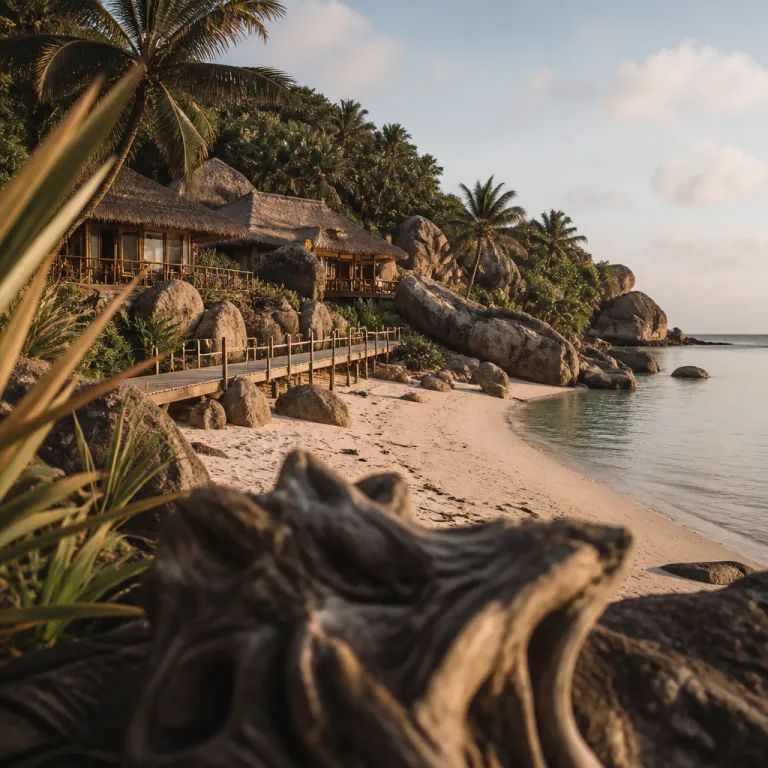
How Seychelles ecotourism sustainability rose to the top of global rankings
US News & World Report placed Seychelles at the summit of global ecotourism in its 2024 Best Countries rankings, citing the archipelago’s unusually strong conservation record and policy framework.1 In the 2024 “Best Countries for Adventure” sub-ranking, Seychelles scored highest on the ecotourism-related indicators that assess natural attractions and environmental stewardship.1 The recognition reflects a rare alignment between tourism, long term environmental planning, and national legislation, where nearly half the land area and large marine zones are legally protected under a clear conservation code that has been strengthened since the 2014–2020 expansion of protected areas.2 For couples planning a luxury stay, Seychelles’ green credentials are not an abstract slogan but something you feel in the quiet of a car free island path, the red glow of a sunset over granite, and the strict limits on where your resort can build.
The government of Seychelles, working with NGOs such as Nature Seychelles and international partners, has ring fenced around 50 % of terrestrial territory and roughly 30 % of its marine area as protected or marine national zones, following commitments under the Seychelles Marine Spatial Plan, which reached its Phase 3 zoning milestone in 2020.2,3 These protections include iconic national parks like Morne Seychellois on Mahé, the Vallée de Mai on Praslin, and the Aldabra Atoll, all central to island conservation and to the protection of rare flora and fauna that exist nowhere else on earth. Nature Seychelles’ reef restoration work at Cousin Island Special Reserve, for example, has transplanted more than 40,000 coral fragments and helped rehabilitate several hectares of degraded reef since 2010, directly supporting marine life that underpins sustainable tourism.3 When US News assessed Seychelles’ sustainable tourism credentials, it rewarded this network of national parks and marine protected areas, the integration of eco friendly practices into tourism policy, and the way luxury properties are encouraged to operate as stewards of marine life rather than just tenants of a pretty bay.
For travellers, this means that every island stay carries a traceable conservation footprint, from the way your resort handles waste to how it supports turtles nesting on the beach. The government’s collaboration with Tourism Seychelles, local communities, and operators has created a framework where sustainable tourism is measured through concrete practices, not vague eco language. As one official explanation from Tourism Seychelles puts it without embellishment, “Seychelles is considered a top ecotourism destination due to its extensive conservation efforts and protected areas,” a statement that is increasingly backed by data from marine monitoring, national park management plans, and annual sustainability reports.1–3
What Seychelles ecotourism sustainability means for your hotel bill and daily choices
Luxury travellers now encounter Seychelles’ environmental policy in a very practical place, on the final page of the hotel folio where the sustainability levy appears. This environmental charge, restructured in 2023 so that small guesthouses pay a lower flat fee while larger resort properties contribute more per room, is one of the clearest signs that Tourism Seychelles is shifting toward higher value, lower impact stays.4 Under the 2023 Tourism Environmental Sustainability Levy Regulations, establishments with up to 24 rooms pay SCR 25 per room per night, medium sized hotels pay SCR 75, and large resorts and island properties pay SCR 100, with all revenue earmarked for conservation and environmental management rather than general taxation.4
The levy supports conservation efforts across the islands, from marine monitoring to island restoration on smaller outer islands where turtles nest and seabirds breed in dense colonies. In practice, that might mean funding for Nature Seychelles to restore coral reefs at sites like Cousin Island Special Reserve, support marine life surveys, or maintain trails in national parks that protect fragile flora and fauna while still allowing guests to enjoy the natural landscape. On Cousin alone, conservation teams have protected thousands of turtle nests over the past decade, contributing to stable or improving nesting trends for hawksbill turtles.3 When you choose a property that explains how this levy is used, you gain a clearer view of how Seychelles’ sustainability policy translates into real eco friendly outcomes, rather than remaining a line of code in a government document.
Daily life on holiday also reflects the country’s conservation ethos in subtle ways, especially if you are eco conscious and willing to adapt a few habits. Many luxury properties now offer filtered water in glass rather than plastic, encourage guests to check reef safe sunscreen ingredients, and design menus around seasonal sea catches and local produce to reduce food miles from East Africa, the Middle East, or European suppliers. Some resorts report that more than 90 % of their seafood is now sourced from local fishers during peak dry season months, a shift that supports coastal communities while lowering the carbon footprint of dining.2 For a deeper look at how these choices shape the culinary calendar, read the guide to seasonal flavours and the dry season dining calendar in Seychelles, which shows how sustainability and gastronomy intersect on the islands.
Higher value, lower impact: strategy or slogan for luxury resorts
Tourism Seychelles now speaks openly about attracting “higher value, lower impact” travellers, and environmental stewardship sits at the centre of that pitch. The idea is simple enough, fewer visitors overall, but more nights in premium resort rooms, more spending on local nature based experiences, and a stronger positive impact on conservation funding. For couples arriving from the United States, East Africa, the Middle East, or even Saudi Arabia, this means the islands are positioning themselves as a once in a decade trip rather than an annual long weekend.
On the ground, the strategy is uneven but real, and you can see it in where new properties are built and how existing resorts talk about sustainable practices. Some private island retreats, including those near North Island and other outer islands, limit guest numbers, invest heavily in island conservation, and employ full time conservation teams to monitor marine life, turtles, and coastal flora and fauna. At several of these retreats, conservation managers publish annual summaries of turtle nesting data, coral health, and seabird populations, giving guests a transparent view of how their stay supports measurable outcomes. Other properties on Mahé or Praslin still lean on generic eco language, offering a fine sea view and a spa but doing less to address waste, imported food, or the long term pressures of construction on fragile bay ecosystems.
For travellers who care about responsible tourism, the key is to read beyond the brochure and ask specific questions before you book. Does the resort publish data on energy use, water treatment, and waste, or does it simply call itself eco friendly without detail? Does it support national parks or marine conservation projects through direct funding, or participate in citizen science with guests, or does it rely on the Seychelles brand alone to signal sustainability? To understand how this plays out beyond the beach, explore the feature on what peak season in Seychelles looks like beyond the brochure, which shows how crowding, weather, and conservation intersect during the busiest months.
Where to stay: luxury properties that treat sustainability as a daily practice
Choosing where to stay is the most powerful decision you will make for Seychelles’ conservation driven tourism model, because your room rate effectively votes for one approach over another. Some of the most compelling properties operate near or within national parks and marine protected zones, where regulations are strict and conservation efforts are visible from the moment you arrive. On Mahé, hillside retreats overlooking the east coast offer sweeping sea views while partnering with Morne Seychellois National Park to maintain trails, support island conservation, and limit light pollution that can disorient turtles nesting on nearby beaches.
On Praslin, several high end resorts frame their identity around proximity to the Vallée de Mai, a UNESCO listed national park that protects the coco de mer and an extraordinary pocket of natural palm forest. These properties often employ eco conscious guides who can interpret the forest’s flora and fauna, explain how Seychelles’ sustainable policies protect endemic species, and arrange low impact excursions that avoid crowding sensitive areas. Out on smaller islands, including those near North Island and Cousin Island where Nature Seychelles is active, some resorts integrate conservation staff into the guest experience, inviting couples to join marine life monitoring, turtle patrols, or reef restoration sessions as part of their stay.
When evaluating options on a booking platform, look for clear references to sustainable tourism certifications, transparent conservation efforts, and partnerships with NGOs rather than generic green icons. Check whether the resort has eliminated single use plastics, invested in renewable energy, and aligned its building code with coastal setback rules that protect the bay and the reef. Properties that treat environmental responsibility as a daily operational discipline, rather than a marketing theme, will usually be proud to share detailed information about their sustainable practices before you even enter your credit card details.
How to be an eco conscious guest without sacrificing luxury
Even in a five star setting, your behaviour can either reinforce or undermine Seychelles’ environmental achievements, and the most responsible couples manage both comfort and conscience with ease. Start by choosing experiences that align with sustainable tourism principles, such as guided walks in national parks, visits to marine reserves, and small group snorkelling trips that respect reef etiquette and marine life. When you book, check whether your resort offers citizen science activities, like coral monitoring or turtle nesting patrols, which turn leisure time into a positive impact for conservation.
On the beach and in the water, simple habits matter more than slogans, especially in bays where turtles feed and coral gardens lie just offshore. Use reef safe sunscreen, avoid standing on coral, and keep a respectful distance from marine life, remembering that even a gentle touch can damage delicate organisms that underpin Seychelles’ reputation for ecotourism. Many eco friendly operators now brief guests on these points before excursions, and the best guides will explain how local flora and fauna, from seagrass meadows to nesting seabirds, depend on undisturbed habitats for their long term survival.
Back at the resort, small choices add up, particularly on islands where freshwater and waste management are constant challenges. Reuse towels, limit air conditioning when you are out, and support menus that highlight local sea catches and produce rather than imported items flown in from East Africa, the Middle East, or distant poultry farms. If you want to go deeper into the cultural side of sustainable tourism, the feature on cultural walks, Creole markets, and tangible heritage in Seychelles shows how spending time and money in local communities strengthens both sustainable development and your own understanding of the islands.
The honest gaps: where Seychelles ecotourism sustainability still struggles
Seychelles’ environmental performance is impressive on paper, but travellers who look closely will notice gaps between ambition and implementation, especially on the main islands. Waste management remains a visible challenge in some urban areas of Mahé and Praslin, where litter can accumulate near roads and streams before reaching the sea, threatening marine life and undermining the pristine image promoted in tourism campaigns. Government reports and local media have highlighted periodic landfill capacity issues and illegal dumping, illustrating how infrastructure must keep pace with visitor numbers and domestic consumption.2 Construction pressure in certain bays, driven by demand for more resort rooms and villas, can strain local ecosystems if building code enforcement is inconsistent or if coastal vegetation is cleared too aggressively.
Food systems present another tension, because a significant share of what appears on hotel buffets still arrives by ship or plane from East Africa, the Middle East, or European trade routes. This reliance on imports increases the carbon footprint of tourism and can dilute the connection between visitors and the natural abundance of the islands, from sea catches to tropical fruit. Some properties are responding with kitchen gardens, closer relationships with local fishers, and menus that foreground sustainably sourced Seychelles ingredients, but the shift is uneven and requires sustained commitment rather than seasonal marketing.
There are also social dimensions to Seychelles’ green transition, including how benefits from sustainable tourism are shared between resort owners, staff, and local communities. The best projects involve residents in conservation efforts, from guiding in national parks to working on island conservation programmes, ensuring that eco friendly policies translate into real livelihoods. As a guest, you can support this by choosing excursions and experiences that are locally owned, asking how your resort engages with nearby communities, and recognising that true sustainable practices must balance environmental protection with social equity if they are to endure over the long term.
Key figures behind Seychelles ecotourism sustainability
- Approximately 50 % of Seychelles’ land area is designated as protected, one of the highest proportions of any country, according to data reported by the Seychelles News Agency and the Ministry of Agriculture, Climate Change and Environment, with major expansions of terrestrial reserves occurring between 2014 and 2020.2
- Around 30 % of the country’s marine area is classified as marine protected zones under the Seychelles Marine Spatial Plan, supporting marine life, turtles, and coral ecosystems that underpin the national tourism economy.3
- US News & World Report recently ranked Seychelles as the world’s top ecotourism destination in its Best Countries for Adventure category, reflecting strong conservation efforts, extensive national parks, and integrated sustainable tourism policies.1
- The government’s sustainability levy on accommodation is structured so that smaller operators pay reduced nightly rates (SCR 25 per room), while larger hotels and resorts contribute more (up to SCR 100 per room) to conservation funding and environmental management, with revenues ring fenced for climate and biodiversity projects.4
- Two UNESCO Natural World Heritage Sites, Aldabra Atoll and the Vallée de Mai, anchor Seychelles’ global reputation for biodiversity and are central to island conservation and sustainable tourism experiences.5
FAQ about Seychelles ecotourism sustainability
Why is Seychelles considered a top ecotourism destination ?
Seychelles is considered a top ecotourism destination because a very high share of its land and sea is legally protected, and conservation efforts are integrated into tourism policy. The country maintains extensive national parks and marine protected areas, supports island conservation through NGOs like Nature Seychelles, and encourages resorts to adopt sustainable practices. This combination of legal protection, active management, and a tourism strategy focused on sustainability led US News & World Report to rank it first globally in its ecotourism-related category.1–3
What are popular ecotourism activities in Seychelles for luxury travellers ?
Popular ecotourism activities include guided hikes in national parks such as Morne Seychellois and the Vallée de Mai, snorkelling or diving in marine reserves, and visiting conservation islands where turtles nest and seabirds breed. Many high end resorts now offer eco conscious experiences like reef restoration sessions, citizen science snorkels, and sunset walks with naturalist guides who interpret local flora and fauna. These activities allow guests to enjoy the sea, the natural landscape, and the unique island ecosystems while contributing to Seychelles’ long term conservation goals.
How does Seychelles balance tourism growth with conservation ?
Seychelles balances tourism growth with conservation by limiting large scale development, enforcing building code regulations in sensitive bays, and using tools like the sustainability levy to fund environmental management. Government agencies work with NGOs, local communities, and Tourism Seychelles to align resort operations with sustainable practices, from waste treatment to marine life protection. The current strategy emphasises attracting higher value, lower impact visitors who stay longer, spend more on nature based experiences, and support conservation efforts through their choices.
What should eco conscious guests look for when booking a hotel in Seychelles ?
Eco conscious guests should look for clear information on a property’s sustainable practices, such as renewable energy use, water treatment, waste reduction, and partnerships with conservation organisations. It is worth checking whether the resort supports national parks or marine projects, participates in citizen science, or contributes to island conservation beyond paying the standard levy. Transparent reporting, detailed sustainability sections on the website, and staff who can explain conservation initiatives are strong indicators that environmental responsibility is taken seriously on site.
How can visitors support local conservation efforts during their stay ?
Visitors can support local conservation efforts by choosing eco friendly excursions, respecting guidelines in protected areas, and participating in activities offered by NGOs or resorts, such as turtle monitoring or reef clean ups. Supporting locally owned businesses, from guides to restaurants, helps ensure that sustainable tourism benefits communities as well as ecosystems. Simple actions like reducing plastic use, following trail rules in national parks, and sharing accurate information about Seychelles’ conservation work back home also contribute to a broader positive impact.
Sources: 1. US News & World Report, Best Countries Rankings (Ecotourism/Adventure), 2024. 2. Seychelles News Agency and Ministry of Agriculture, Climate Change and Environment, protected areas data and environmental performance reports. 3. Seychelles Marine Spatial Plan Initiative and Nature Seychelles, marine protected area coverage and reef restoration outcomes. 4. Government of Seychelles, Tourism Environmental Sustainability Levy Regulations (2023). 5. UNESCO World Heritage Centre, Aldabra Atoll and Vallée de Mai listings.