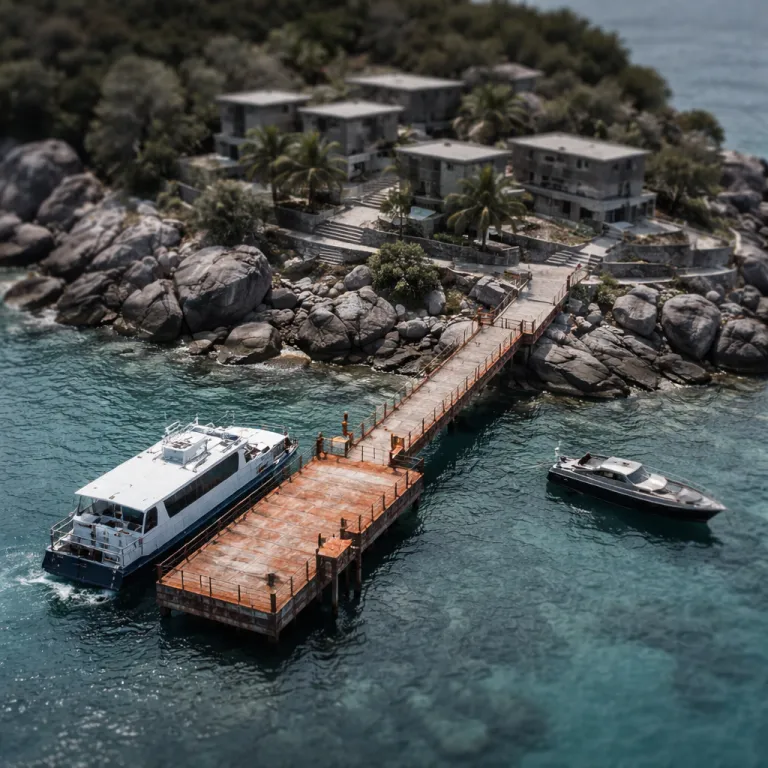
What a private island Seychelles stay really buys you
On a private island Seychelles stay, you are not just paying for silence. You are buying an island scale of privacy where the nearest neighbour might be a nesting turtle rather than another beach villa, and where the staff to guest ratio quietly hovers around three to one. That level of service defines the Seychelles private islands model, and it feels very different from the overwater fantasies of the Maldives or the lagoon life of Fiji.
Here, each island in Seychelles is its own micro world, with granite headlands, white sand beaches and dense nature rather than manicured sandbanks. The best private islands in the Seychelles offer a sense of real island life, from Creole kitchens to conservation teams tracking marine life at dawn, and that authenticity matters to business travellers extending a stay after meetings on Mahé. When you book a private island Seychelles escape, you are choosing an experience where the geography, the people and the conservation work are as central as the luxury itself.
North Island set the tone early, turning a former coconut plantation into a sanctuary where conservation and barefoot luxury share equal billing. That North Island ethos still shapes how many islands in Seychelles operate today, with helicopter transfers dropping you directly into a landscape where giant tortoises roam and beaches are left intentionally wild. The result is a style of private island stay that feels less like a stage set and more like a carefully protected corner of the Indian Ocean.
Compare that with a typical high end resort on a larger island Seychelles destination, where privacy is often architectural rather than geographic. On a true private island, the entire perimeter is yours and the beaches form a natural buffer, which changes how you move, dress and even work if you are on a business leisure trip. Executives who spend their days in glass towers tend to value that sense of complete removal, especially when they can still fill a morning with calls and then step straight into water sports or a guided walk through primary forest.
The staffing economics behind this are rarely discussed, yet they define the experience. Fregate Island Private, for example, has historically hosted a maximum of around 76 guests with more than 200 staff, and that ratio is typical of serious luxury in Seychelles private islands. Maintaining that level of service on a remote island demands robust logistics, from supply boats timed with tides to on site desalination plants, and those costs are baked into the nightly rate that often starts around two thousand dollars for entry level villas, according to rate data compiled by specialist luxury tour operators and recent resort brochures.
For travellers used to city luxury, the absence of visible effort is the real marker of quality. Your beach villa is pre cooled, the minibar is somehow always filled with your preferred snacks, and the spa team knows your schedule before you do, yet the choreography remains invisible. That is what you are paying for on a private island Seychelles booking, not just the square metres of sand or the thread count on the sheets.
There is also a cultural nuance that sets Seychelles apart from other Indian Ocean islands. On Denis Island, for instance, the owners live on site and treat the island as both home and hotel, which subtly changes the way guests interact with staff and with the land. That Denis Private approach creates a feeling of shared stewardship, where you are gently encouraged to understand how your stay supports conservation rather than simply consuming another luxury experience.
For a business traveller turning a three day conference into a ten day stay, that context matters. It allows you to justify the cost of a private island Seychelles escape as more than indulgence, especially when you can point to specific conservation projects funded by guest revenue. In a world where corporate sustainability reports are scrutinised, choosing an island stay that actively restores habitats and protects marine life can be a strategic decision as much as a personal pleasure, even if you also have to weigh up the carbon footprint of flights and helicopter transfers.
From exclusivity to stewardship on North Island, Denis and Cousine
The most interesting shift in the private islands Seychelles story is philosophical rather than architectural. Properties such as North Island, Denis Private Island and Cousine Island have moved from selling isolation to selling impact, positioning conservation as the core of the guest experience. That evolution is reshaping what luxury means in the Seychelles private context, especially for executives who expect both discretion and purpose from their travel.
North Island remains the reference point, not just for its famous guests but for its conservation led model. The island was once overrun by invasive species, yet today it is known for bringing several endemic birds back from the brink, and that narrative is woven into every stay. When you experience North Island with a conservation ranger at your side, walking from one beach to another under takamaka trees, you understand why this is not simply another private island resort.
Denis Island takes a slightly different approach, blending working farm, eco retreat and classic beach resort into one coherent island life. Guests can visit the island Denis farm at dawn, then snorkel with reef sharks before lunch, and finish the day with a tasting menu that uses almost entirely island grown produce. That Denis Private philosophy of self sufficiency reduces supply chain emissions and deepens the sense of place, which resonates strongly with travellers who want their private island Seychelles stay to feel grounded rather than imported.
Cousine Island, by contrast, leans into the idea of exclusive use, where one party can take over the entire island with a dedicated team. For a board level offsite or a discreet family gathering, having an island to yourselves with full spa treatments, tailored water sports and conservation briefings creates a rare level of control. Yet even here, the narrative is less about seclusion for its own sake and more about how a single group can temporarily steward an entire island ecosystem.
For those comparing options, it helps to think in terms of conservation outcomes rather than just villa counts. North Island is better for travellers who want to engage directly with rewilding projects, while Denis Island excels at showcasing how a living, working island can still deliver high luxury. Cousine Island is strongest when you need absolute privacy and are willing to take responsibility, even symbolically, for an entire island Seychelles habitat during your stay.
This shift towards stewardship is not happening in isolation. The Seychelles Tourism Board has been reframing the national narrative around sustainability, and campaigns highlighted on platforms such as this sustainability driven Seychelles campaign analysis show how conservation and luxury now co exist in official messaging. Private islands benefit from that positioning, but they also carry the burden of proof, because their nightly rates are high enough that guests expect measurable environmental results.
On the ground, that means your morning might start with a turtle monitoring walk rather than a yoga class. It means the spa menu references native plants and traditional remedies, turning spa treatments into a quiet education in island botany. It also means that when you book a private island Seychelles escape, you are often funding specific line items such as seabird surveys, coral restoration or big game fish tagging programmes.
For travellers used to transactional luxury, this can feel surprisingly intimate. You are not just passing through an anonymous resort; you are temporarily entering a long running conservation project with its own history, data and personalities. That sense of continuity is one reason repeat guests return to the same private islands Seychelles rather than chasing the newest opening across the Indian Ocean, even as scientists caution that small island projects alone cannot offset wider climate and ocean pressures.
For those who want a taste of this conservation forward model without committing to a full island buyout, larger properties such as Hilton Seychelles Labriz Resort and Spa on Silhouette Island offer an elegant middle ground. As explored in this detailed guide to Hilton Seychelles Labriz, you can enjoy serious spa facilities, guided nature walks and marine life encounters while still sharing the island with local communities. It is not a private island in the strict sense, yet it borrows many of the same conservation principles that now define the top tier of Seychelles private retreats.
Who actually stays on Seychelles private islands, and how they use them
The stereotype of the private island guest is a honeymoon couple or a celebrity hiding from cameras. In reality, the guest mix on a private island Seychelles property is more nuanced, with a growing share of business leaders folding a few days of island time into regional trips. That shift matters because executives bring different expectations, from reliable connectivity to flexible check in times that align with long haul flights.
For this audience, privacy is a baseline rather than a selling point. What they value is the ability to move seamlessly between work and leisure, perhaps taking calls from a shaded terrace in a beach villa before heading out for an afternoon of game fishing or reef snorkelling. The best private islands Seychelles understand this rhythm and design their service around it, offering quiet corners for laptops as well as guides who can pivot from water sports to nature walks at short notice.
Family groups are another important segment, especially on islands such as Denis Island where the atmosphere is relaxed yet structured. Parents can let children roam between beaches and forest trails, knowing that the island is both physically contained and carefully supervised by a large, well trained team. Grandparents often appreciate the slower pace of island life, where a simple walk to watch marine life in the shallows can feel as meaningful as any formal excursion.
Then there are the serious anglers and divers, who see Seychelles private islands as launch pads for big game adventures. Properties with access to deep water channels can arrange big game fishing for marlin and tuna within minutes of leaving the beach, turning a short stay into a high impact experience. For divers, the appeal lies in uncrowded sites where coral heads rise from clear Indian Ocean depths and encounters with sharks or rays feel almost routine.
Not every guest arrives by helicopter with a week to spare, though. Some islands offer shorter stays or shoulder season rates that make a two or three night visit feasible for travellers who might otherwise choose a mainland resort such as Constance Lémuria on Praslin. As outlined in this elegant guide to Constance Lémuria, such properties deliver serious luxury and excellent beaches, yet they cannot replicate the feeling of having an entire island coastline effectively to yourself.
Accessibility is also evolving, with some private islands experimenting with day visits or limited access passes. These allow guests staying on larger islands Seychelles to sample a different island experience, perhaps enjoying lunch on a white sand beach followed by guided snorkelling over coral gardens. It is not the same as a full stay, but it does broaden the audience and spreads conservation funding beyond the ultra wealthy.
For corporate planners, private islands can function as powerful offsite venues. An island Denis style property, with its mix of farm, forest and beach, can host strategy sessions in the morning and conservation activities in the afternoon, creating a narrative of responsibility that aligns with ESG reporting. The ability to fill a small island with just your team, supported by a discreet but numerous staff, turns the setting into a strategic asset rather than a mere backdrop.
Even solo travellers are starting to appear more frequently on booking sheets. They tend to be experienced travellers who value quiet, nature and high touch service, and who are comfortable paying a premium for safety and simplicity. For them, a private island Seychelles stay offers the rare combination of solitude and structure, where every detail from transfers to spa appointments is handled, yet the beaches and forest paths still feel gloriously empty.
Design, logistics and the real cost of Seychelles island luxury
Behind the polished calm of a private island Seychelles resort lies a complex logistical machine. Every bottle of water, every piece of linen and every kayak for water sports has to be shipped or flown in, then removed or recycled without damaging the island. That reality explains why nightly rates on serious private islands often start around two thousand dollars and can climb well beyond ten thousand for larger villas, with additional costs for private boat or helicopter transfers depending on distance and season.
The architectural language of these islands has also matured. Early projects sometimes leaned on generic tropical clichés, but the current generation favours low impact design that sits lightly on the land, with raised walkways, natural ventilation and careful sightlines that frame beaches and forest rather than dominate them. On islands such as Denis Island and North Island, you will see beach villa layouts that prioritise cross breezes and shade over air conditioning, reducing energy use while keeping the experience firmly in the luxury bracket.
Staffing remains the largest ongoing cost, and the most visible marker of quality. A three to one staff to guest ratio is common on top tier private islands Seychelles, which means a small but highly qualified team of butlers, chefs, guides, spa therapists and maintenance staff living on the island for extended periods. Their presence allows the resort to fill every gap in service, from arranging last minute spa treatments to setting up a private dinner on a remote beach at short notice.
Conservation teams add another layer of expertise and expense. Biologists, rangers and data analysts track everything from turtle nesting success to reef health, generating data that inform both local management and national policy. Their work is often funded directly by guest revenue, turning each stay into a micro investment in the long term health of the island Seychelles ecosystem.
For travellers, the question is whether this model genuinely delivers better environmental outcomes than a comparable spend on a mainland resort. In many cases, the answer is yes, because isolation allows for tighter control over invasive species, fishing pressure and human impact on beaches and reefs. Islands such as North Island and Denis Island have demonstrated that with sustained effort, degraded landscapes can be restored to near pristine condition, with marine life and bird populations rebounding over time.
That said, not every private island automatically equals good conservation. The most credible properties are transparent about their partnerships with local conservation organisations and about how much of their budget goes into habitat restoration versus guest facing amenities. As a traveller, you should feel comfortable asking how your stay helps fund projects such as seabird monitoring, coral gardening or big game fish tagging in the surrounding Indian Ocean waters.
From a design perspective, the next frontier is energy and water independence. Some islands already operate near off grid, using solar arrays, rainwater capture and advanced waste treatment to reduce their footprint, while others are still transitioning away from diesel generators. When you book a private island Seychelles escape, consider asking about these systems; the most forward thinking properties will be proud to explain how they work.
Ultimately, the evolution of Seychelles private islands is about aligning indulgence with responsibility. Guests still expect flawless service, immaculate beaches and a sense of effortless ease, but they are increasingly unwilling to accept environmental damage as the hidden cost of that experience. The islands that will thrive are those that can fill every day with genuine nature based experiences, from early morning turtle patrols to sunset spa rituals, while proving that their presence leaves the island and its marine life in better condition than before.
Key figures shaping Seychelles private island travel
- Seychelles comprises 115 islands scattered across the Indian Ocean, and only a small fraction operate as private islands, which makes each private island Seychelles resort a rare commodity (Seychelles Tourism Board).
- The country welcomed roughly 384,000 visitors in 2019, according to the Seychelles National Bureau of Statistics, yet only a tiny percentage stay on private islands Seychelles, underscoring how exclusive these properties remain compared with larger resorts on Mahé and Praslin.
- Typical nightly rates on serious Seychelles private islands range from about 2,000 to well over 10,000 US dollars per villa, reflecting the high staffing ratios, conservation funding and logistical costs of operating on a remote island, as reported by specialist luxury tour operators and recent resort rate sheets.
- Fregate Island has historically limited capacity to around 14 villas and roughly 76 guests, supported by more than 200 staff, illustrating the three to one staff to guest ratio that defines top tier private island service in Seychelles (figures reported by the resort and independent travel writers).
- Transfers to private islands in Seychelles are usually by helicopter or private boat, and many properties also coordinate scheduled flights to nearby islands, which adds both cost and complexity compared with mainland resorts and contributes to the overall carbon footprint of a stay. Independent analyses of luxury travel emissions suggest that a return helicopter transfer can add several hundred kilograms of CO₂ per guest on top of long haul flights.
- Private island resorts in Seychelles operate year round, but the most comfortable periods for marine activities such as snorkelling, diving and game fishing are generally from April to May and October to November, when seas are calmer and visibility is higher, according to local dive operators and destination specialists.
References and further reading
- Seychelles Tourism Board – official destination information and sustainability initiatives.
- Seychelles National Bureau of Statistics – visitor arrival data and tourism trends.
- Ministry of Agriculture, Climate Change and Environment, Republic of Seychelles – national conservation and marine protection policies.