Why Seychelles wildlife encounters belong on your family’s travel list
Seychelles sits alone in the Indian Ocean, far from mainland Africa yet deeply connected to the region’s wider wildlife story. For families weighing a classic South Africa safari experience against a first Indian Ocean island trip, these islands offer something quieter, more intimate and often more suitable for younger children. Here, Seychelles wildlife encounters unfold at walking pace along beaches, in shallow turquoise waters and inside cool forests rather than from a game vehicle.
The archipelago’s granite island landscapes create sheltered coves, pristine beaches and calm lagoons where marine life thrives within easy reach of shore. That means reef fish, sea turtles and even juvenile reef sharks can often be seen while you stand waist deep, making these wildlife experiences accessible for confident swimmers and cautious children alike. On land, Seychelles offers rare species such as Aldabra giant tortoises and the Seychelles black parrot, turning a simple stroll into a natural history lesson that rivals some of the best safari experiences in Africa.1
For premium family travelers, the real luxury is how close your room can be to these wildlife encounters without sacrificing comfort or service. Many of the Seychelles’ best properties on Mahé and Praslin sit within minutes of nature reserve boundaries or protected marine areas, so you can plan short, low-stress outings between pool time and relaxed lunches. When you book through a curated platform focused on Seychelles wildlife, you can filter for resorts that actively support conservation efforts, offer guided encounters and understand how to pace activities for children.
Mahé and nearby islands: marine wildlife from your resort doorstep
Mahé is usually the first island on a Seychelles trip, and it is where Seychelles wildlife encounters begin for many families. The main island combines lush mountains with accessible beaches, so you can snorkel with reef fish in the morning and walk through forest trails by afternoon. Around the island, protected bays shelter marine life, giving children their first close look at sea turtles and colourful species without long boat rides.
On Mahé’s eastern side, resorts around the marina and northern coves often partner with local guides for gentle marine wildlife experiences. From these bases, short boat outings take you over shallow reefs where marine life includes parrotfish, rays and, in season, whale sharks during their passage between roughly August and November.2 Families who prefer to stay close to their room can still enjoy Seychelles wildlife by snorkeling directly from the beach, especially on calmer days when the turquoise waters turn glassy.
For travelers who enjoy a refined base with easy access to marine encounters, the new generation of Mahé properties offers strong options. One standout is the waterfront address highlighted in this review of a rooftop bar with marina views on Mahé, where families can watch the harbour at sunset before planning the next day’s wildlife outings. From such hubs, you can arrange guided snorkeling, eco-focused boat trips and even introductory dives that balance comfort, safety and conservation. This is where Seychelles offers a softer alternative to a traditional African safari experience, with the ocean as your game reserve.
Curieuse Island, Vallée de Mai and Praslin: where giant tortoises meet ancient forests
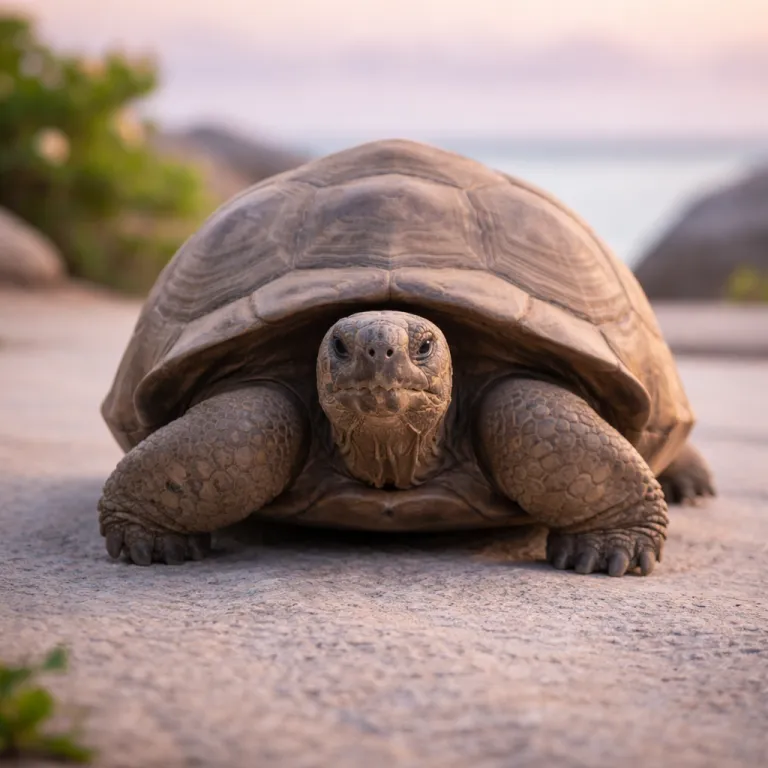
Curieuse Island is the place where Seychelles wildlife encounters feel almost prehistoric, especially for children seeing Aldabra giant tortoises for the first time. A short boat ride from Praslin brings you to a protected nature reserve where hundreds of these giant tortoises roam freely between the beach and the shade of casuarina trees.3 Raised boardwalks lead through a mangrove system, turning a simple walk into a guided lesson in conservation efforts and coastal ecology.
Families often pair Curieuse Island with a stay on Praslin, which offers one of the Seychelles’ best balances between comfort and access to nature. The UNESCO-listed Vallée de Mai, often written as Vallée Mai, shelters the coco de mer palm and is one of the most atmospheric forests in the islands.4 Here, guided walks introduce you to endemic species such as the Seychelles black parrot and the Seychelles paradise flycatcher, while rangers explain how limited island ranges and small populations make these birds globally significant for conservation.
Along the coast, Praslin’s beaches such as Anse Lazio and Anse Georgette combine pristine sand with excellent snorkeling, so marine life becomes part of your daily routine. Calm turquoise waters often hold reef fish close to shore, and in the right season you may see sea turtles cruising the drop-off just beyond the granite boulders. To align your stay with these wildlife experiences, look for properties that frame themselves around conservation as luxury, such as those profiled in this feature on marine protection as Seychelles’ strongest draw.
Marine megafauna and island conservation: whale sharks, turtles and special reserves
Beyond the inner islands of Mahé and Praslin, Seychelles wildlife encounters expand into a wider marine stage. Between the main islands, marine life includes seasonal whale sharks, manta rays and large schools of pelagic species that pass close enough for responsible snorkeling tours. Local partners use guided excursions, snorkeling gear and field guides to help families understand what they are seeing while keeping a respectful distance from the animals.
Sea turtles are a constant presence across many Seychelles beaches, with hawksbill and green turtles nesting on several islands during specific months. Hawksbill turtles typically nest from around October to February, while green turtles tend to nest earlier and later in the year depending on the island.5 Some nature reserve areas allow you to watch nesting or hatching under strict guidelines, turning a single evening into one of the most powerful wildlife experiences of any family trip. To protect these species, visitors are asked to respect wildlife and habitats, follow local guidelines and use eco-friendly products such as reef-safe sunscreen.
Conservation efforts extend onto land-based islands such as Cousin Island Special Reserve and North Island, where rewilding projects have brought rare birds back from the edge.6 These projects show how Seychelles offers a different model from mainland Africa, where the safari experience often focuses on large mammals rather than endemic island species. When choosing where to stay, consider properties that support such conservation efforts directly, either through funding, guided educational encounters or hands-on activities suitable for children.
Designing a luxury family stay around Seychelles wildlife encounters
Planning a premium family trip around Seychelles wildlife begins with choosing the right islands and the right pacing. Young children often do best with a combination of Mahé for easy logistics, Praslin for Vallée de Mai and beaches such as Anse Lazio, plus a day trip to Curieuse Island for giant tortoises. Older children and teenagers may appreciate adding more remote islands or longer marine excursions focused on whale sharks and deeper reef systems.
When comparing properties, look beyond the pool and room size to how each resort integrates Seychelles wildlife into daily life. Some of the Seychelles’ best family-friendly addresses offer on-site nature guides, early morning bird walks and evening talks about marine life and conservation efforts. Others provide simple but effective touches such as child-sized snorkeling gear, reef fish identification charts and flexible meal times that work around wildlife encounters rather than forcing you to rush back for dinner.
For a curated overview of where to base your family, consult specialist platforms that map Seychelles island resorts against wildlife access. A useful starting point is this guide to island resorts for refined escapes in the Indian Ocean, which highlights properties close to nature reserve boundaries and key marine areas. By aligning your accommodation with the species you most want to see, you turn Seychelles wildlife encounters from a hopeful extra into the central thread of a carefully planned, deeply memorable family stay.
FAQ about Seychelles wildlife encounters for luxury family stays
Where can I see Aldabra giant tortoises with children ?
Families can reliably see Aldabra giant tortoises on Curieuse Island, reached by a short boat ride from Praslin. The island functions as a protected nature reserve where tortoises roam freely near the beach and along marked trails, managed under Seychelles National Parks Authority guidelines.3 For more advanced trips, Aldabra Atoll also hosts a huge population, but access is logistically complex and not ideal for most first-time family travel.
When is the best time to see whale sharks in Seychelles ?
Whale sharks appear seasonally around the inner islands of Seychelles, especially off Mahé and nearby islands. The main window typically runs from late August to November, when plankton levels rise and attract these gentle filter feeders close to the surface.2 Reputable operators, often working with the Marine Conservation Society Seychelles, limit group sizes and follow strict codes of conduct, so always choose a licensed guide that prioritizes conservation and respectful encounters.
Are there guided wildlife tours suitable for younger children ?
Yes, many local tour operators and high-end resorts offer guided wildlife tours tailored to families. On land, short walks in Vallée de Mai or along coastal trails on Mahé introduce endemic species without long, tiring hikes. At sea, calm lagoon snorkeling and glass-bottom boat trips allow even cautious swimmers to enjoy marine life while staying close to the boat.
How does Seychelles compare with a classic Africa safari for families ?
Seychelles offers a softer, more water-based alternative to a traditional Africa safari, with wildlife encounters focused on marine life, birds and island reptiles rather than big mammals. Distances are shorter, activities can be scheduled around naps and mealtimes, and many experiences start directly from the beach. For families with younger children or mixed swimming abilities, this combination of comfort, safety and biodiversity can be more practical than long game drives in South Africa.
What should we do to support conservation during our stay ?
Supporting conservation in Seychelles begins with choosing accommodations and operators that fund or participate in local projects. Once on the islands, follow all guidelines in nature reserves, avoid touching wildlife, use reef-safe sunscreen and keep a respectful distance from nesting turtles and feeding whale sharks. Small choices such as staying on marked paths, reducing plastic use and joining educational tours help ensure that Seychelles wildlife encounters remain sustainable for future families.
References
- Seychelles Islands Foundation; BirdLife International – species accounts for Seychelles black parrot and other endemic fauna.
- Marine Conservation Society Seychelles – seasonal whale shark monitoring data for the inner islands.
- Seychelles National Parks Authority – Curieuse Marine National Park visitor information and tortoise conservation notes.
- UNESCO World Heritage Centre – Vallée de Mai Nature Reserve listing and description.
- Seychelles Ministry of Agriculture, Climate Change and Environment – sea turtle nesting guidelines and seasonal patterns.
- Nature Seychelles – conservation work on Cousin Island Special Reserve and island restoration projects.