Why Seychelles marine conservation belongs on your luxury travel agenda
Seychelles sits alone in the Indian Ocean, a granite and coral sanctuary where marine life still feels abundant. This archipelago has committed over 30 percent of its waters to marine protection through a national marine spatial plan, using zoning to balance luxury travel with strict conservation. According to the Seychelles Marine Spatial Plan Initiative, the country has now designated over 410,000 square kilometres as marine protected areas, a scale that makes it a global reference point for ocean protection. For a solo explorer choosing a premium hotel, that means your room key can also open the door to serious conservation work.
The country treats Seychelles marine conservation as core infrastructure, not a marketing flourish. Government agencies and NGOs map marine spatial zones into fully protected areas, sustainable use areas and restoration areas, so each island and each protected area has a defined role in biodiversity conservation. When you book a high end stay, you are often stepping into a live project where marine biodiversity, wildlife conservation and ocean protection are measured in monitoring data, not slogans. As one planner involved in the national spatial plan put it in a public briefing, “we are designing an ocean economy that keeps nature at its centre, not at the margins.”
Climate change, warming seas and stronger storms still threaten coral reefs, sea turtles and endemic species across these islands. Yet Seychelles now functions as a regional refuge for the western Indian Ocean, sheltering species and habitats that have vanished elsewhere in Africa and beyond. The most interesting luxury properties integrate marine conservation and wildlife projects into daily operations, inviting guests and volunteers to contribute to long term protection rather than simply admire the view. A resort that can show how many turtle nests it has helped protect or how many reef surveys guests completed last season is offering more than a sunset; it is offering a measurable role in conservation.
Coral nurseries and reef restoration: from lagoon to lab and back again
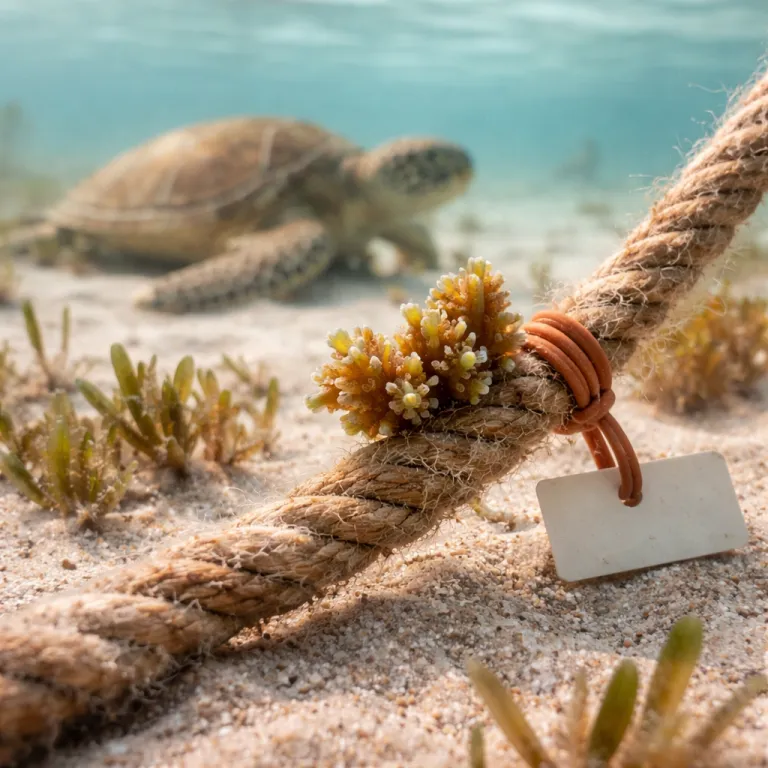
Coral nurseries are the quiet engine of Seychelles marine conservation, and several luxury resorts now host them on site. In these underwater gardens, fragments from resilient coral species are grown on ropes, frames or innovative reef stars before being transplanted back to damaged reef areas. Nature Seychelles reports that its Reef Rescuers programme has grown more than 40,000 coral fragments and restored roughly 5,000 square metres of reef on the Cousin Island reef system, with survival rates for outplanted corals tracked over multiple years to assess effectiveness. These figures are published in project summaries and peer reviewed studies, giving visitors confidence that the work is grounded in science.
At properties following the Six Senses model of marine conservation, guests join marine biologists for guided snorkels through nursery sites, learning how each coral species supports different wildlife. You help clean algae from frames, log marine life sightings on waterproof data sheets and understand how a carefully designed spatial plan for the lagoon protects both coral and fish spawning areas. For a solo traveler, this is conservation work that fits between a late breakfast and an ocean facing massage, yet still contributes to long term biodiversity conservation through structured monitoring. A marine guide might show you a tagged coral frame and explain how its growth is photographed every few months to build a time series of reef recovery.
Citizen science runs through these projects, with visitors acting as short term volunteers under expert supervision. One dataset used by local NGOs explains it plainly: "How can I participate in coral restoration?" and answers "Contact local NGOs for volunteer opportunities." Luxury hotels that take conservation Seychelles seriously will connect you with Nature Seychelles or the Seychelles Parks and Gardens Authority, ensuring your time in the water supports real marine protection rather than a staged activity. When comparing islands, use an island by island guide such as this candid overview of where to stay in Seychelles to match your preferred level of comfort with access to active reef projects, from shallow nursery sites to deeper restoration areas reached by boat.
Turtle patrols, wildlife conservation and citizen science from Mahé to the outer islands
Sea turtles are the charismatic face of wildlife conservation in Seychelles, and several premium properties sit directly on key nesting beaches. From September to March, trained teams and visiting volunteers walk the sand at dawn, recording tracks, protecting nests from erosion and logging data for Marine Conservation Society Seychelles. Their methods are simple but rigorous, using GPS devices, standardised data sheets and fixed patrol routes so that each walk becomes comparable conservation data across seasons. MCSS reports that long term datasets from these patrols now span more than two decades on some beaches, helping scientists track how nesting responds to climate change and coastal development.
One of the most accessible bases for this kind of Seychelles marine experience is a refined resort on Mahé, where you can pair urban comforts with quick access to marine protected areas. A property such as the new generation city retreat highlighted in this review of a marina view hotel on Mahé gives you rooftop cocktails at night and day trips to nearby marine parks for turtle monitoring or reef surveys. Marine Conservation Society Seychelles summarises the rhythm of the season in its own materials: "When is the best time for turtle patrols?" with the answer "September to March during nesting season." On a typical patrol, you might help measure a nest distance from the high tide line or assist in relocating eggs at risk from erosion under close supervision.
Citizen science programs extend beyond turtles to broader marine biodiversity, from reef fish counts to beach clean ups that feed into ocean protection datasets. These activities are open to individual travelers, not only long stay volunteers, and many luxury hotels now schedule them as part of weekly programming. When you see conservation Seychelles framed as wildlife experiences, ask how the data feed into national marine spatial planning and whether the project will continue long term once the marketing budget moves on. A credible answer will mention specific monitoring protocols, named partners and how results are reported back to agencies managing protected areas.
North Island, Cousin Island and Silhouette: private luxury as a conservation laboratory
North Island has become shorthand for ultra private luxury in Seychelles, but its deeper story is about restoration rather than excess. Once a degraded coconut plantation, this north island was reimagined as a wildlife sanctuary where invasive plants were removed, native forest returned and endemic species such as the Seychelles White eye and Seychelles Fody were brought back from the brink. Conservation reports from the island describe how translocated birds have established breeding populations, while nesting sea turtles and rehabilitated tortoises now share the beaches with a small number of guests. The island now functions as a living laboratory for certain birds and reptiles, showing how targeted wildlife conservation can coexist with a handful of high paying visitors.
Cousin Island Special Reserve, managed by Nature Seychelles, offers a different model of protected area, with strict limits on visitor numbers and a focus on science led biodiversity conservation. Day visitors arrive by boat, wade ashore through the surf and follow guides along forest trails where seabirds nest at eye level and giant tortoises roam under takamaka trees. Here, marine conservation and terrestrial protection merge, as the surrounding marine protected area shelters fish nurseries that feed the wider Indian Ocean, while the island interior safeguards endemic species found nowhere else in Africa. Nature Seychelles notes that Cousin hosts more than 300,000 nesting seabirds during peak season, a density that illustrates how effective long term protection can be.
Silhouette Island, home to a refined escape reviewed in detail in this guide to a luxury resort on Silhouette, offers a more accessible version of this conservation luxury. The island is largely a national park, with steep forested peaks, marine life rich reefs and strict building limits that keep development clustered along one coast. For a solo traveler, it is an effective base to experience marine protection, rainforest hikes and village life in one stay, while supporting a project that will shape how other islands manage their own protected areas. Rangers and resort teams collaborate on trail maintenance, reef monitoring and invasive species control, turning the island into a practical case study for balancing tourism and conservation.
How to choose hotels that support genuine Seychelles marine conservation
Not every property using the language of marine conservation is contributing meaningfully to protection, so a little due diligence pays off. Before you book, look for clear partnerships with recognised actors such as Nature Seychelles, the Seychelles Parks and Gardens Authority or Marine Conservation Society Seychelles, and check whether conservation work is described with specific data rather than vague promises. Serious projects will reference marine spatial planning, named protected areas and measurable goals for marine biodiversity or wildlife conservation, such as the number of coral frames maintained, turtle nests monitored or kilometres of beach surveyed each season.
Ask hotels how guests and volunteers are integrated into conservation Seychelles programs, and whether activities are designed around science needs or guest entertainment. Credible teams will explain methods such as coral fragment transplantation, reef star deployment or standardised turtle patrols, and they will be transparent about age restrictions, training and safety. One NGO FAQ captures this nuance: "Are there age restrictions for volunteers?" with the answer "Varies by program; check with organizers." A hotel that can show you a simple summary of last year’s conservation results, even if modest, is usually more trustworthy than one that offers only glossy photos.
Finally, consider the long term arc of each project and how your travel spend supports it beyond a single stay. Properties embedded in national or regional initiatives across the Indian Ocean, such as large scale marine protection or climate change adaptation programs, are more likely to deliver effective results than isolated efforts. When a hotel can show how its conservation work feeds into national datasets, informs spatial plan decisions and helps maintain Seychelles as a functioning refuge for marine life and endemic species, you know your room comes with real ocean protection built in. In that case, luxury travel becomes a practical tool for sustaining the very reefs, beaches and wildlife that drew you to Seychelles in the first place.
FAQ
When is the best time to join turtle patrols in Seychelles ?
Turtle nesting in Seychelles peaks from September to March, when green and hawksbill sea turtles come ashore on many islands. During this period, conservation teams and supervised volunteers conduct dawn and dusk patrols on selected beaches. If you want to participate, choose a hotel near a nesting beach and confirm that it partners with Marine Conservation Society Seychelles or similar experts, then ask whether short stay guests can join at least one patrol during their visit.
How can I take part in coral restoration during a luxury stay ?
Several high end resorts host coral nurseries where guests can assist with simple tasks such as cleaning frames, helping with coral fragment attachment or logging fish sightings. These activities are always led by marine biologists or trained staff, who ensure that conservation work follows national guidelines and contributes usable data. Contact your hotel in advance to ask which NGO it partners with, whether activities are available year round and whether places for visiting volunteers need to be reserved.
Do I need scientific training to join citizen science programs ?
Most citizen science activities in Seychelles are designed for travelers without formal scientific backgrounds. You receive a short briefing on methods, then help collect data on marine life, beach debris or turtle nesting using easy to follow protocols. Programs may have age or swimming ability requirements, so it is wise to check details before booking and to be honest about your comfort level in the water or on uneven coastal terrain.
Which Seychelles islands are best for combining luxury and conservation ?
Islands such as Mahé, Silhouette, North Island and Cousin each offer different balances of comfort and immersion in protected areas. Mahé works well if you want premium hotels with day trips to marine parks, while Silhouette and North Island provide more secluded stays embedded in national parks or private conservation projects. Cousin Island is visited on guided day trips, making it an excellent wildlife focused complement to a resort base elsewhere, especially if you want to see dense seabird colonies and restored coastal forest in a single outing.
What should I pack to support Seychelles marine conservation efforts ?
Eco friendly, reef safe sunscreen is essential to avoid harming coral and other marine species. A well fitting mask and snorkel, a reusable water bottle and neutral coloured clothing for wildlife walks also help you participate comfortably in conservation activities. Always follow guidance from local conservation groups on how to behave around wildlife and in sensitive coastal areas, including keeping a respectful distance from nesting turtles and avoiding contact with coral or seagrass beds while swimming.