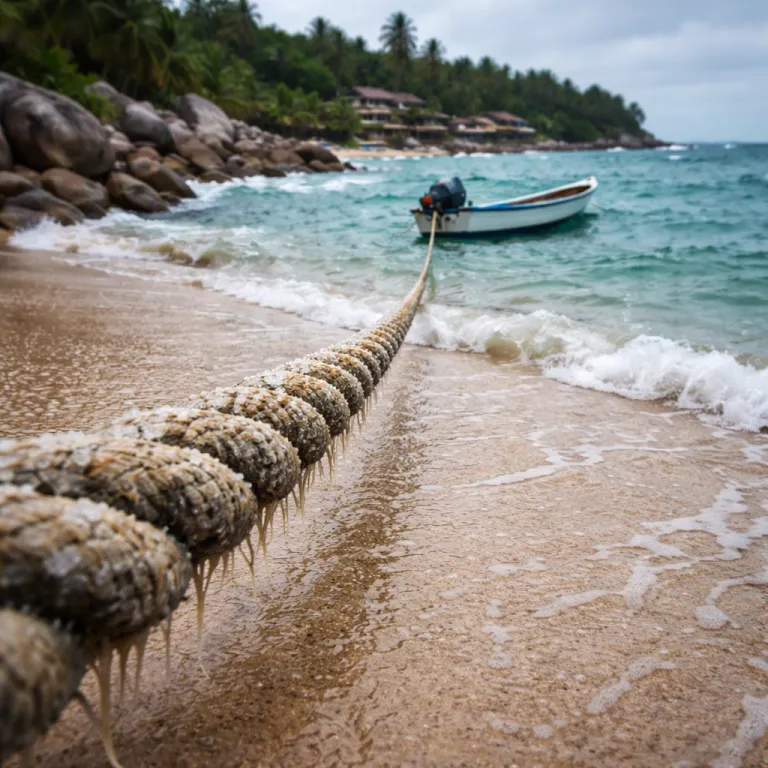
Why Seychelles peak season in July and August feels different
Peak season in the Seychelles during July and August is when the archipelago runs at full, exhilarating volume. This is the heart of the dry season for couples who want bright skies, cooler evenings and that sense of being exactly where everyone else wishes they were, even if the Seychelles peak season in July and August also brings higher rates and fuller flights. Think of this period as the most coveted time of the year to visit Seychelles, with the tropical climate at its most comfortable and the islands humming with energy.
Across the Seychelles islands, the southeast trade winds define the character of this season, shaping sea conditions, daily rhythms and which bays feel sheltered or wild. The southeast monsoon keeps humidity lower, the weather reliably sunny and the climate pleasantly warm, with average high temperatures around 28 °C in both July and August and rainfall far below the wetter months of the rainy season. According to long-term monthly climate normals from the Seychelles Meteorological Authority and World Bank Climate Data (1981–2010 baseline), the average high temperature in July at Mahé’s international airport is about 28.3 °C with roughly 80 mm of rain, while August sees an average high close to 28 °C and around 95–100 mm of rain, which makes this stretch one of the best months for long beach days and active island hopping.
For luxury travelers, the high season in July and August is not just about the weather; it is about how the islands behave under near full occupancy. On Mahé, where Victoria anchors the country’s political and cultural life, you feel the influx of tourists most clearly in the traffic to and from the airport and in the demand for top tables at restaurants. Seychelles Tourism Board trade updates and hotel benchmarking reports indicate that during this period many upscale properties operate at or above 85–90 percent occupancy, especially at headline resorts, so the best times to secure the suites with private pools and the villas with direct access to calm seas are often many months before you actually travel.
Weather, winds and sea conditions in July and August
Understanding the Seychelles in mid-year means understanding the winds, because the southeast trade is the invisible concierge of this time of year. From June through September, the southeast monsoon blows steadily, bringing cooler air, lower humidity and a more stable climate than the northwest monsoon that dominates the wetter months from about November to March. These trade winds are the reason couples find this period the best time to visit Seychelles for sailing, windsurfing and catamaran cruises, even as they make some outer reefs choppier for snorkeling.
On the west coasts of the larger islands, including Mahé and Praslin, the winds often leave bays with relatively calm seas, while the more exposed southeastern shores can see livelier waves and more dramatic sea conditions. This is the season Seychelles skippers love, because the winds are strong enough for exhilarating passages between island groups yet predictable enough to keep island-hopping itineraries running on schedule. For couples planning their travel, that means choosing hotels with sheltered beaches if you want gentle swimming every day, or opting for properties on breezier stretches if you prefer the soundtrack of waves and the sculpted look of wind-brushed palms.
Compared with the transitional months of April and October, when the winds shift and the seas can be glassy, July and August feel more kinetic but still refined. The rainy season is a distant memory by this time of year, and showers tend to be brief, passing quickly over granite peaks before the sun returns. If you are sensitive to motion, consider scheduling longer boat transfers for the early morning when the seas are often at their calmest, and remember that the best months for ultra-calm seas are usually around April and October and again in late September and early November, when the monsoon systems are changing.
Is July a good time to visit Seychelles? Yes, July offers dry weather and comfortable temperatures. Are there any festivals in Seychelles during August? Yes, events like the Assumption of Mary and the traditional Big Regatta in the inner islands typically occur in August; dates are confirmed each year by the Seychelles Tourism Department and local parish calendars. As one Beau Vallon dive instructor quoted in a 2023 Seychelles Tourism Board media briefing put it, “July and August are when the winds wake the ocean up a little, but the sun is almost always out and the beaches are full of life.” (savoy.sc)
Island by island: where peak season feels busy, and where it does not
Not every Seychelles island experiences the Seychelles peak season in July and August in the same way, and that is where smart planning pays off. Mahé, home to Victoria and the international airport, absorbs the highest volume of arrivals, so this is the island where you feel peak season most in the traffic to Beau Vallon, in the fully booked sunset cruises and in the waitlists for spa appointments at the best hotels. If you want the full social buzz, Mahé in this time of year delivers, but couples seeking quiet should look carefully at location and room category before they book.
Beau Vallon itself is a case study in how the season in Seychelles behaves under southeast trade winds, with long arcs of sand, a lively promenade and sea conditions that can range from gently rolling to playfully choppy depending on the day. The bay’s orientation often protects it from the strongest winds, which makes it one of the best times and places for swimming during July and August, even when more exposed coasts feel rougher. For couples who want to visit Seychelles and still feel part of local life, Beau Vallon’s mix of luxury hotels, Creole takeaways and casual beach bars offers a rare balance during this busy time of year.
By contrast, smaller islands such as Silhouette or Denis can feel almost insulated from the mid-year rush, even though they share the same tropical climate and dry season skies. These private island style retreats are not the private island rate, but the beach where the granite boulders frame the sunset like no architect could, and they are ideal for couples who want the best time visit balance between seclusion and comfort. For a deeper sense of how exclusivity and access are evolving across the Seychelles islands, especially on more remote island properties, it is worth reading a detailed perspective on the private island question in Seychelles before you commit to a specific resort.
Booking strategy for luxury stays in July and August
From a booking perspective, the Seychelles peak season in July and August is when luxury and premium hotels on the Seychelles islands operate with almost no slack. Occupancy at headline properties such as Four Seasons Resort Seychelles on Mahé, Raffles Seychelles on Praslin and the soon to reopen Fregate Island often pushes above 90 percent in peak weeks according to regional hospitality benchmarking data, and that pressure shows first in the suites with the best views and the villas with direct beach access. If you are planning to travel in this time of year, treat your accommodation as the first decision, not the last detail, and align your daily plans with the rhythm of the winds and seas.
Rates during the dry season can run 30 to 50 percent higher than in the shoulder months of April, May, October and November, which makes timing a powerful tool. Arriving in the last week of June or the first week of September often captures near-peak weather, with the same southeast trade winds and similar climate, but at prices closer to shoulder season levels. For couples who want the best times without paying the absolute top of the rate card, this subtle shift in month can make a noticeable difference to the overall cost of the trip.
Restaurant reservations are another pressure point in the high season, especially on Mahé and Praslin where the most sought-after tables book out quickly. Places such as La Plaine St André near Victoria or Del Place on the northwest coast of Mahé can require bookings two or three days ahead during this season, particularly for sunset seatings. Use online platforms or your hotel concierge to secure these experiences as soon as your flights are confirmed, and remember that local businesses appreciate early notice during the busiest months of the year.
To make the most of this time visit window, keep a simple checklist in mind:
- Book your preferred resort or villa 6–9 months ahead for July and August.
- Reserve key restaurants and spa treatments as soon as flights are confirmed.
- Schedule longer island-hopping excursions and open-water activities for mornings.
- Choose a sheltered bay if you are sensitive to choppy seas or motion.
For a richer sense of how to weave heritage and gastronomy into your itinerary beyond the resort, explore this guide to cultural walks, markets and living history in Seychelles, then layer those experiences around your chosen hotel.
Choosing the right island and month for your style of trip
When couples ask about the best time of year to visit Seychelles, the honest answer is that it depends on what you want from the islands. The Seychelles peak season in July and August offers the most reliable dry season weather, the most active social scene and the clearest sense of being in the middle of the action, but it is not the only compelling season Seychelles has to offer. Shoulder periods such as April and October bring lighter winds, warmer seas and a softer light, which some travelers consider the best time for swimming, snorkeling and photography.
During April October transitions, the northwest monsoon gives way to the southeast monsoon or vice versa, and the seas can turn almost mirror calm for days at a time. These are the months when sea conditions often suit nervous swimmers, and when island hopping by small boat feels more like gliding than sailing, even if brief showers remind you that the rainy season is never entirely distant in a tropical climate. For couples focused on underwater visibility and gentle entries, late April, early May, late September and early November can be the best months to visit Seychelles, even if they lack the festive energy of July and August.
If your calendar is fixed on the Seychelles peak season in July and August, you can still fine tune your experience by choosing the right island and bay. Mahé offers the broadest choice of hotels and the easiest access to cultural experiences, while Praslin and La Digue slow the pace and foreground nature, from Vallée de Mai to granite framed coves that feel far from Victoria’s bustle. For a deeper sense of how to balance beaches, hiking and wildlife across different islands during any time of year, including the height of the dry season, this piece on granite peaks, hidden coves and giant tortoises in Seychelles offers a useful framework.
FAQ
Is July a good time to visit Seychelles for a luxury stay ?
July is an excellent time to visit Seychelles for luxury travel, because it sits firmly in the dry season with comfortable temperatures around 28 °C and relatively low rainfall. The southeast trade winds keep humidity down and the climate pleasant, which suits couples who want long days outdoors and active excursions. The main trade off is that this is peak season, so hotels and top restaurants book out early and rates are higher than in shoulder months.
How does August differ from July in the Seychelles ?
August in the Seychelles feels very similar to July in terms of temperature and sunshine, but the southeast monsoon can bring slightly stronger winds on some days. Those winds are ideal for sailing and wind based sports, though they can make sea conditions choppier on exposed coasts, especially on the southeastern shores of larger islands. If you prefer calmer seas for swimming, choose sheltered bays such as Beau Vallon on Mahé or consider timing your trip for late June or early September.
Which islands feel most crowded in peak season, and which stay quiet ?
Mahé feels the busiest during the Seychelles peak season in July and August, particularly around Victoria, Beau Vallon and the main resort clusters on the west coast. Praslin and La Digue also see strong demand, but their smaller scale means you can still find quiet corners if you choose your bay carefully. More remote islands such as Silhouette or Denis tend to remain tranquil even in peak months, because access is limited and guest numbers are tightly controlled.
When is the best time of year to avoid the crowds but keep good weather ?
If you want to avoid peak season crowds yet still enjoy the best time of the dry season style weather, aim for the shoulder periods around April, May, late September and October. These months often bring lighter winds, warm seas and a softer, more relaxed atmosphere at hotels, with better availability and more flexible rates. You still need to book ahead for the most popular properties, but you will feel less pressure on restaurant reservations and activity slots.
Do I need to book restaurants and activities in advance in July and August ?
During the Seychelles peak season in July and August, advance booking for restaurants and key activities is strongly recommended, especially on Mahé and Praslin. Signature venues such as La Plaine St André and Del Place can require reservations two or three days ahead, and popular excursions like full day island hopping or private catamaran charters often sell out. Using your hotel concierge or trusted online platforms to secure these arrangements before or immediately after arrival will give you a smoother, more relaxed stay.