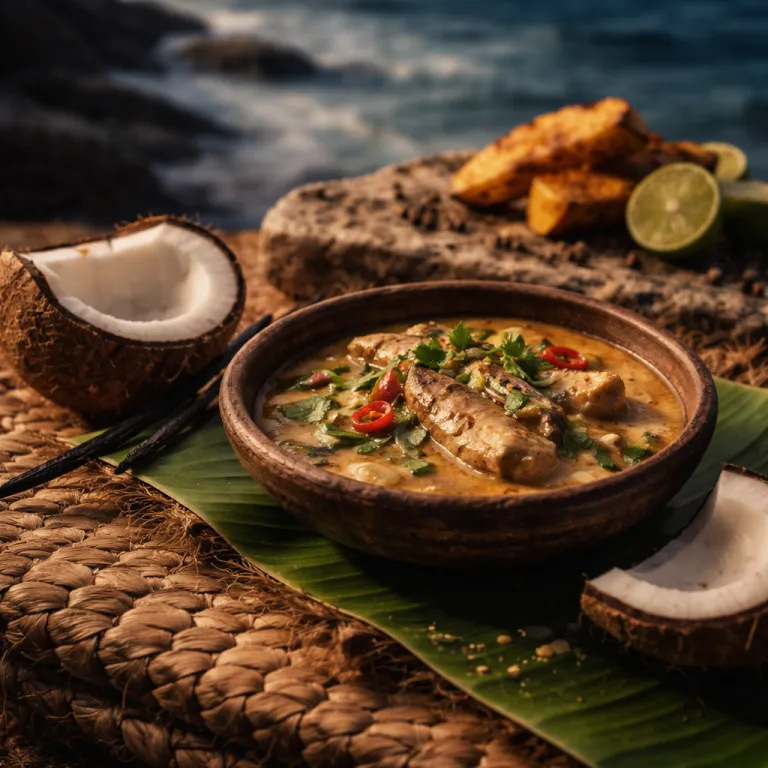
Seychelles Creole cuisine: how luxury travel meets authentic island food
The quiet power of Seychelles Creole cuisine in luxury travel
Seychelles Creole cuisine is not a passing trend; it is a lived island grammar of taste and a cornerstone of Seychellois culture. On Mahé, from Victoria’s Sir Selwyn Selwyn-Clarke Market to hillside resorts, you feel how this food tradition braids African, French, Indian, Malagasy, Chinese and English influences into everyday dishes cooked for family and for guests. For a couple planning a premium stay, understanding this Creole food culture is as essential as choosing the right stretch of Indian Ocean sand.
Ask any Seychellois chef what defines Seychellois cuisine and the answer is immediate: balance. Official Tourism Seychelles material describes Seychelles Creole cuisine as “a fusion of African, French, Indian, Malagasy, and Chinese influences” and highlights how it balances “five primary flavors: hot, sour, sweet, salty, and bitter” (Tourism Seychelles, official culinary brochure, 2023). As local chef Christelle Vidot put it in a 2022 interview with the Seychelles News Agency, “If one taste shouts, it is not Creole anymore,” a line that has since been widely quoted in regional food coverage.
In practice, that balance arrives at your table as grilled fish brushed with garlic, ginger and lime, coconut curry wrapped around octopus, or salted fish folded into fragrant curries with sweet potatoes. These are not staged “island nights” for the occasional eater; they are the backbone of Seychelles food culture and of Seychellois Creole identity. When luxury hotels treat Creole food as a themed buffet rather than the house language of the kitchen, they miss the point and you, as a guest, miss the real Seychelles Creole story.
Part of the reason Seychellois cuisine still sits in the shadows of more famous island cuisines is structural. The archipelago is small, export of Creole dishes is limited, and Seychelles food rarely travels beyond resort menus and a few diaspora restaurants. Yet as global diners chase farm-to-table narratives and coastal terroir, Seychelles Creole cuisine already offers what many destinations are trying to invent: a mature, traditional Creole system where every dish, from deep fried breadfruit chips to  salad palmis, is anchored in local land and sea.
For luxury travelers, this means the culinary journey should shape how you choose where to stay in Seychelles, not be an afterthought. A resort that can speak confidently about its fish dishes, its use of coconut milk, its sourcing of tropical fruits and its relationship with local farmers is usually a resort that understands place. On stay-in-seychelles.com, we increasingly rate properties not only on suites and spas, but on how seriously they treat Seychelles Creole food as part of the guest experience.
Five culinary lineages, one Seychellois Creole identity
To understand why Seychelles Creole cuisine deserves a global platform, you need to see how five culinary traditions coexist on a single plate. African techniques of smoking and slow stewing meet Indian spice logic, while French ideas about sauces and pastry sit beside Chinese wok work and English notions of the Sunday roast. The result is not fusion for effect, but a traditional Creole matrix where each dish is quietly negotiated between histories.
Take a typical Seychellois Creole curry served in a serious guesthouse on Praslin. The base starts with onions, garlic, ginger and chillies softened in oil, then turmeric, coriander and masala build heat and depth in the pot. Coconut milk is added slowly, often from a freshly grated coconut, turning the sauce into a silk that clings to fish, octopus or vegetables, and this coconut curry is then served with rice, lentils and sometimes sweet potatoes or breadfruit on the side.
French influence appears in the insistence on fresh ingredients and in the way sauces are reduced until glossy, while Indian heritage is obvious in the layering of spices and the love of curries in both singular curry and multiple curries forms. Chinese cooks brought stir frying and the occasional deep fried noodle or dumpling, and English settlers left a taste for grilled fish on open flame and for puddings built from milk, sugar and eggs. Over time, Seychelles food culture absorbed all of this into Seychellois cuisine that feels coherent rather than chaotic.
For travelers, this means that ordering Creole dishes is a way to taste history without a lecture. A plate of salted fish and green papaya salad, a bowl of traditional coconut curry with local fish, or a serving of salad palmis cut from the heart of the palm tree all carry these intertwined lineages. If you want a structured introduction to how these influences play out from market stall to resort restaurant, the in-depth guide to Creole curry, octopus salad and farm to table eating your way through Seychelles is a useful starting point.
What keeps Seychelles Creole food relatively under the radar is that it resists simplification. It is easier for global media to package a single dish, like a famous noodle or taco, than to explain a whole Creole cuisine that shifts from island to island and from home kitchen to hotel pass. Yet for couples who care about food, that complexity is precisely the attraction, and it is why Seychellois Creole recipes belong at the same table as better known island cuisines.
From plantation house to guesthouse kitchen: where authenticity lives
The most interesting story in Seychelles Creole cuisine right now is not on the buffet line; it is in how different properties are rethinking their relationship with land and sea. On Frégate Island, the historic Plantation House restaurant is presented as an open farm-to-table kitchen where almost every dish cooked starts with something grown or raised on the island itself (Frégate Island marketing material, 2023). When you sit down to a grilled fish brushed with garden herbs or a salad palmis cut that morning, you are tasting a closed-loop system that many destinations only talk about.
Waldorf Astoria Seychelles Platte Island, announced by Hilton in a 2022 press release and scheduled to open with 50 seafront villas, is pushing in a similar direction with Moulin, its farm-to-table restaurant, and Maison des Épices, which uses local spices to build a Levantine-leaning menu that still respects Seychellois cuisine. Here, coconut milk from local coconut, tropical fruits from the garden and fish from surrounding Indian Ocean waters are treated as non-negotiable foundations rather than decorative touches. For a luxury eater, this is where Seychelles Creole food starts to feel like a serious contemporary cuisine rather than a resort theme night.
Yet the most faithful expressions of traditional Creole cooking often remain in family-run guesthouses and small restaurants in Victoria or on La Digue. In these kitchens, salted fish is still sun dried on the veranda, curries simmer for hours, and deep fried snacks are made in small batches rather than by the tray. A simple Seychellois Creole dish of coconut curry with fresh fish, rice and lentils, served on a shaded terrace, can rival any tasting menu when the ingredients are local and the cook is cooking for neighbours as much as for visitors.
For couples planning a premium stay, the smart move is not to choose between resort and guesthouse, but to design an itinerary that lets you experience both. Book the pool villa with the serious wine list, but leave space for a lunch of grilled fish and sweet potatoes at a roadside café, or for a plate of Creole dishes in a Victoria backstreet where Seychelles food is priced for locals. On stay-in-seychelles.com we increasingly highlight properties that encourage this cross pollination, arranging market visits, home-style dinners and cooking classes with Seychellois chefs rather than keeping guests inside the resort bubble.
That shift matters because it changes how Seychelles Creole cuisine is perceived by international travelers. When you taste Seychellois recipes in both polished and everyday contexts, you start to see them not as hotel food but as a complete culinary system, with its own rules, hierarchies and seasonal rhythms. As one Tourism Seychelles official summarised at a 2023 media briefing on Mahé, “We want visitors to leave knowing at least three Creole recipes by name and by taste.” That is the level of recognition required if Seychelles Creole cuisine is to claim its seat at the world’s culinary table.
How luxury hotels can champion Seychelles Creole cuisine
If Seychelles wants its Creole cuisine to move from curiosity to reference point, luxury and premium hotels will be decisive. These properties control many of the first Seychelles food experiences that international guests have, from breakfast buffets to signature dinners. When they treat Creole dishes as central rather than peripheral, they help Seychellois cuisine step into the global conversation.
Some are already moving in the right direction by investing in serious culinary programming. Cooking classes with Seychellois chefs are no longer a token activity; they are structured sessions where guests learn how to build a coconut curry from scratch, how to balance spices in curries, and how to work respectfully with fish dishes that rely on fresh Indian Ocean catch. Tourism Seychelles actively supports this shift through cookbook projects, media coverage and culinary events designed to “increase global awareness, attract culinary tourists, support local economy” (Tourism Seychelles, strategic plan summary, 2022).
For hotels, the opportunity is to go further and make Seychelles Creole food the narrative spine of their dining, from pool snacks to tasting menus. That might mean replacing anonymous international food with grilled fish marinated in garlic, ginger and lime, offering salad palmis with tropical fruits as a refined starter, or reworking desserts around local milk-and-sugar custards and coconut. It also means being transparent about sourcing, so that when a dish is described as traditional Creole, guests know which farmer, fisher or producer stands behind it.
Wellness-focused resorts have a particular role to play, because Seychellois Creole food is naturally aligned with lighter, fresher eating when handled thoughtfully. Properties already known for serious spa programs, such as those featured in the guide to Seychelles spa resorts worth the flight, are well placed to show how grilled fish, coconut milk based curries and vegetable-forward dishes cooked with minimal deep fried elements can sit comfortably beside detox menus. When Seychelles Creole cuisine appears on both the indulgent and the wellness side of the menu, it stops being a theme night and becomes a language the whole property speaks.
For couples choosing where to stay, the practical test is simple. Read the menus before you book, ask how often Seychellois Creole dishes are served, and look for signs that the kitchen is engaging with local markets, seasonal tropical fruits and traditional techniques rather than just importing ideas. A main course Creole curry in a mid-range restaurant in Victoria might cost the equivalent of €12–€18, while a refined tasting of several Seychellois recipes in a luxury resort can sit closer to €80–€120 per person. The properties that pass this test are the ones quietly helping Seychelles Creole cuisine claim the international recognition it has long deserved.
Key figures shaping the future of Seychelles Creole cuisine
- Tourism Seychelles currently promotes around 50 documented traditional recipes in official brochures and online features, indicating a deep Seychellois cuisine repertoire that hotels can draw from for menus and cooking classes (source: Tourism Seychelles culinary brochure series, 2023).
- A dedicated one-day culinary promotion event in Victoria on Mahé, scheduled for late February, is structured around a launch ceremony, cooking demonstrations and tasting sessions, signalling institutional commitment to Seychelles Creole cuisine as a tourism pillar (source: Tourism Seychelles public event programme, 2024).
- According to Tourism Seychelles’ synthesis of international market studies, global interest in fusion cuisine and culinary tourism has been rising steadily, with tourism boards reporting year-on-year growth in travelers seeking authentic food experiences, a trend that directly benefits destinations where Creole dishes and local food cultures are central to the offer (source: Tourism Seychelles market trends summary, 2022).