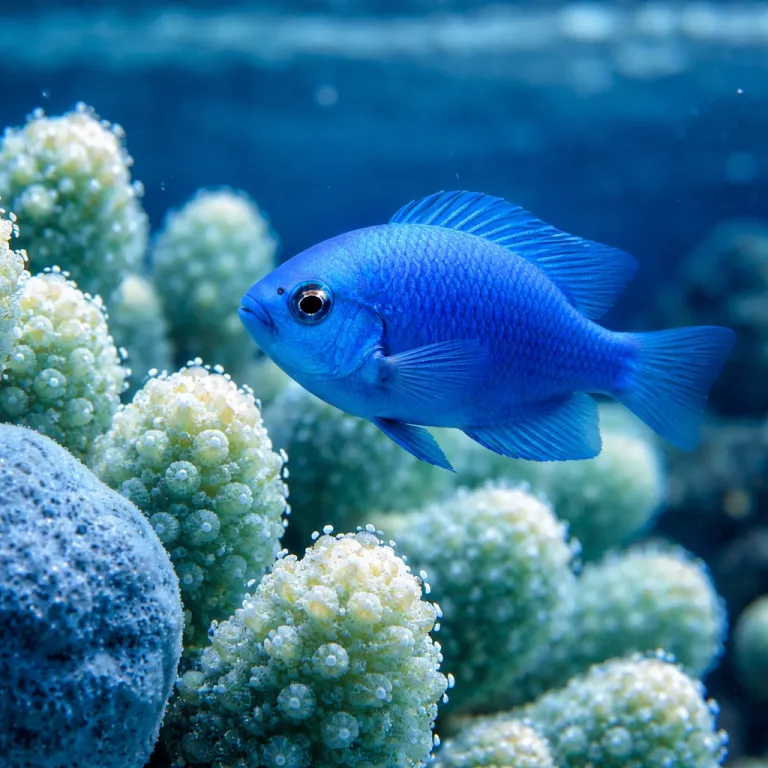
The southeast trades reshape Seychelles diving season
From May to September, the southeast trade winds quietly reset the Seychelles diving season. According to long-term summaries from the Seychelles Meteorological Authority, these winds build from May, peak through July and August, then ease again in September, and this rhythm matters more to divers than any glossy brochure. For luxury travelers planning where to stay, this is the period when the islands feel calmer on land yet sharper and more dramatic in the water.
Average wind speeds hover around 12–18 knots in this southeast monsoon, which pushes surface chop and 1–2 metre wind waves onto the exposed eastern coasts of Mahé Island and the other inner islands while leaving the western shores in a protective lee. The Authority’s climatological summaries note that average sea temperature drops to around 26 °C, so scuba divers who were happy in a thin shorty earlier in the year now appreciate a 4–5 mm wetsuit for longer underwater time at the best sites. Typical underwater visibility ranges from 10–15 metres on windward sides and 20–25 metres on sheltered coasts, creating a split personality within the Seychelles diving season that savvy travelers can use to their advantage.
Is diving possible during the southeast trade winds? Yes, but conditions may be rougher with reduced visibility on exposed shores. What wetsuit thickness is recommended during this season? A 4–5 mm wetsuit is advisable due to cooler water temperatures and longer bottom times. Are certain dive sites better during this period? Yes, sites on the northwest coasts are more sheltered and often deliver more consistent underwater visibility.
For guests booking premium hotels on Mahé, this means the west coast becomes the strategic choice for both comfort and access to the best dive sites during this season. Properties facing Baie Ternay Marine National Park, for example, sit close to some of the most reliable scuba diving in the Seychelles islands when the trades are blowing. Classic sites such as Twin Barges and Aquarium can often be reached in 15–25 minutes by boat from west coast bases, keeping transfers short even when the wind is up. The same pattern extends across the inner islands, where the western and southern flanks of each island often offer calmer water, gentler entries for less experienced divers, and smoother boat rides for day trips focused on scuba diving or snorkeling.
Luxury travelers flying in from South Africa or mainland Africa often assume that the best time for Seychelles diving is the hot, still period earlier in the year. In reality, the southeast trades create a second, quieter peak that rewards those who time their travel for this season and choose their island and hotel with care. As one Mahé-based instructor puts it, based on logbooks kept over many seasons, “May to September is when we see fewer boats but still plenty of fish,” and for a Seychelles diving season that feels curated rather than crowded, this is the insider’s window.
Where the trades favour divers: inner islands, coasts and trails
The southeast trades do not treat every island equally, and that is where the Seychelles diving season becomes genuinely interesting for independent travelers. On Mahé Island, the western arc from Beau Vallon up towards Baie Ternay Marine National Park turns into a natural amphitheatre for divers, with the inner islands of the archipelago sheltering the ocean and keeping the water clearer. This is also where hotel rates typically sit below the December to April peak, which means premium suites with serious views over the Indian Ocean become more attainable without sacrificing access to sheltered bays.
For those planning a split stay between Mahé and Praslin, often called the classic Mahé–Praslin pairing, the May to September season is ideal for combining diving with hiking. Trails such as Morne Blanc and Copolia on Mahé reward early starts with cooler air, less humidity, and long views over the Seychelles islands that are rarely this crisp at other times of the year. On Praslin, the Vallée de Mai and the coastal paths around Anse Lazio offer a similar advantage, with the forest and granite feeling less oppressive and more inviting for solo explorers who want to balance underwater time with long walks.
Those who want to push further into the Seychelles beyond the sunbed should look at curated island by island guidance that highlights how each island behaves in the southeast trades. It helps frame which islands excel for marine life, which for hiking, and which for a quieter, more contemplative stay during this season. When you overlay that with the pattern of the Seychelles diving season, you begin to see why this period is so prized by divers who return year after year.
On the water, the inner islands around Mahé, Praslin and La Digue host many of the best dive sites for this season, especially on their western and southern coasts. Granite pinnacles, coral gardens and sandy channels attract fish in dense schools, while reef sharks patrol the edges and turtles cruise the shallows. Sites such as Shark Bank, Brissare Rocks and Ave Maria are frequently highlighted by local operators and recent trip reports for their schooling fish and dramatic topography, though they are usually recommended for intermediate divers due to depth and current. For divers who prefer shorter boat rides and the option to return to a refined hotel for lunch, these inner islands are the most practical base during the southeast trades.
Hikers benefit just as much as divers from this season, which is why May to September is often the best time to visit if you want to split your days between trails and the ocean. Cooler temperatures, typically between 24 and 29 °C, make steep ascents more manageable, and the southeast winds clear the air over the mountains. That combination of clear underwater visibility on the right coasts and clear ridgeline views above is what makes this Seychelles diving season uniquely rewarding for active travelers.
Month by month: how May to September shapes Seychelles diving
Within the broader Seychelles diving season, the May to September window has its own internal rhythm that matters when you are choosing both your hotel and your dive plan. May marks the onset of the southeast trades, with the ocean still relatively warm and the first shifts in visibility beginning to appear between the eastern and western coasts of the islands. This is a good time to visit if you want a softer entry into the season, with plenty of flexibility for both diving and non diving activities and a wide choice of sheltered sites.
June, July and August bring the peak of the winds, which is when the advice from local dive operators becomes essential for planning your dives safely and comfortably. They monitor the data from the Seychelles Meteorological Authority and combine it with daily observations of swell, currents and underwater visibility to decide which dive sites are suitable for which levels of divers. During these months, sheltered sites on the northwest of Mahé Island and the leeward sides of the inner islands often deliver the best combination of calm water, healthy marine life and manageable boat rides, with many operators grouping divers by experience level to match conditions.
By late August and into September, another layer is added to the Seychelles diving season as whale sharks begin to appear around Mahé and the surrounding inner islands, with sightings most often reported off the west and northwest coasts. This period, which stretches into October and November, is when many divers plan their travel specifically to maximise their chances of seeing these gentle giants in the Indian Ocean. While encounters are never guaranteed, the pattern is strong enough that premium hotels on the western side of Mahé often work closely with dive centres to arrange day trips focused on whale shark encounters, sometimes combining reef dives with blue-water snorkelling.
For those considering a more ambitious itinerary that includes the outer islands, the southeast trades can be both a challenge and an opportunity. Boat transfers and small aircraft flights are more weather dependent during the windiest weeks, but once you reach these remote islands the rewards are significant, with manta rays and pelagic sharks more frequently reported at this time of year by liveaboard crews and lodge-based guides. If you are planning to combine inner islands comfort with outer islands adventure, this is where a detailed island by island accommodation guide becomes invaluable for matching your route to the prevailing wind and sea conditions.
Throughout this May to September stretch, the Seychelles diving season remains effectively year round, but the character of each month shifts. Early in the season, you enjoy warmer water and a gentler transition, while mid season brings the clearest conditions on the right coasts and the best hiking weather. Late in the season, the focus turns to whale sharks, mantas and the subtle changeover towards the calmer shoulder that frames the next cycle of the Seychelles diving year, giving repeat visitors a reason to return at different points in the trade-wind arc.
Luxury stays, rate advantages and what to pack for the trades
For luxury travelers, the southeast trades are not just about the Seychelles diving season; they are also about value and comfort on land. During this period, many premium properties on Mahé, Praslin and the other Seychelles islands adjust rates below the December to April peak, which means that villas with private pools and serious ocean views suddenly move within reach. This pricing shift is especially noticeable on the west coasts of the islands, where the season’s wind pattern also delivers calmer water and better access to the most reliable dive sites.
Choosing the right island and the right side of that island becomes the key decision for divers who want both refined hospitality and easy access to the ocean. On Mahé Island, west facing properties place you close to sheltered marine sites and shorter boat rides, while still allowing quick transfers to Victoria and the airport for onward travel to the outer islands or back to Africa and South Africa. For those who want a more remote feel without sacrificing comfort, Silhouette Island offers a compelling balance, and the Hilton Seychelles Labriz Resort & Spa is often cited by local guides and recent guest reviews as a base that combines serious diving with a polished resort atmosphere.
Packing for this season requires a slightly different mindset than for the hotter, stiller months of the Seychelles diving season. A 4–5 mm wetsuit is advisable for longer scuba diving sessions, especially if you plan multiple dives per day or extended trips to more exposed dive sites. Many local instructors also recommend a thin hooded vest for those who get cold easily, as repeated dives in 26 °C water can still sap warmth over time.
For a practical checklist, consider bringing: a 4–5 mm full wetsuit, mask and snorkel you know fit well, open-heel fins and booties, a compact dive computer, reef safe sunscreen, a light windbreaker, quick drying layers, a dry bag for boat transfers, and lightweight trail shoes if you plan to hike. One Beau Vallon guide summarises it simply: “Pack for wind on the boat and cool on the ridge, and you’ll be comfortable everywhere.” On land, a compact daypack and a reusable water bottle round out the essentials for both coastal walks and half-day dive trips.
Solo explorers who like to move between islands will find that the May to September season rewards flexibility and a willingness to consult local expertise. Monitoring weather forecasts, speaking with local dive operators and choosing sheltered coasts during peak winds are simple habits that dramatically improve both safety and enjoyment. With that approach, the Seychelles diving season from May to September becomes less about working around the weather and more about using the trades to unlock quieter hotels, clearer water and richer marine life.
For many repeat visitors, this is the best time to visit precisely because it feels like a secret shared among divers, hikers and those who prefer their luxury with a side of weather drama. The southeast trades carve texture into the Seychelles experience, from the sound of the wind in the palms to the clarity of the water over a granite reef. If your idea of the Seychelles islands involves both a polished hotel bar and a logbook filled with sharks, fish and whale sharks, this is your season.
FAQ
Is diving safe during the southeast trade winds in Seychelles?
Diving remains safe during the southeast trade winds as long as you work with reputable local dive operators who adapt daily to wind, swell and visibility. They typically choose sheltered coasts, especially on the northwest of Mahé and other inner islands, and may adjust dive times to avoid the roughest surface conditions. Following their guidance, staying within your certification limits and using appropriate gear for the cooler water keeps the Seychelles diving season from May to September both safe and rewarding.
Which side of Mahé is best for divers between May and September?
During the southeast trades, the west and northwest coasts of Mahé Island usually offer the best combination of calmer water, shorter boat rides and reliable visibility. Areas near Baie Ternay Marine National Park and the Beau Vallon sector are particularly favoured, with a mix of granite reefs, coral gardens and accessible depths for different levels of divers. East facing sites can still be dived on the right days, but they are more exposed to wind and swell in this season and are generally chosen only when conditions allow.
When is the best time to see whale sharks in Seychelles?
Whale shark activity around Mahé and the nearby inner islands typically begins to increase from late August and continues through October and November, with many sightings logged along the western and northwestern coasts. Many divers plan their Seychelles travel for this late part of the southeast trades and the early calmer period that follows, as this window offers the highest probability of encounters. While sightings are never guaranteed, working with experienced operators, joining dedicated whale shark trips and being flexible with your dive schedule significantly improves your chances.
How does the southeast trades season affect hotel prices?
From May to September, many luxury and premium hotels across the Seychelles islands reduce rates compared with the December to April high season. This makes larger suites, villas and ocean facing rooms more accessible, especially on the west coasts of Mahé and Praslin where the wind pattern also favours divers. For travelers from Africa and South Africa, this period often delivers the best balance between value, comfort and high quality diving, with more availability in top-end properties than during the festive peak.
What should I pack for diving in Seychelles between May and September?
For the May to September Seychelles diving season, a 4–5 mm wetsuit is recommended for comfortable scuba diving, particularly if you plan multiple dives per day. On the surface, pack a light windbreaker, quick drying clothing, reef safe sunscreen and a dry bag for boat transfers and day trips. If you intend to hike as well as dive, lightweight trail shoes, a compact backpack and a reusable water bottle will help you make the most of the cooler, less humid conditions on the islands.