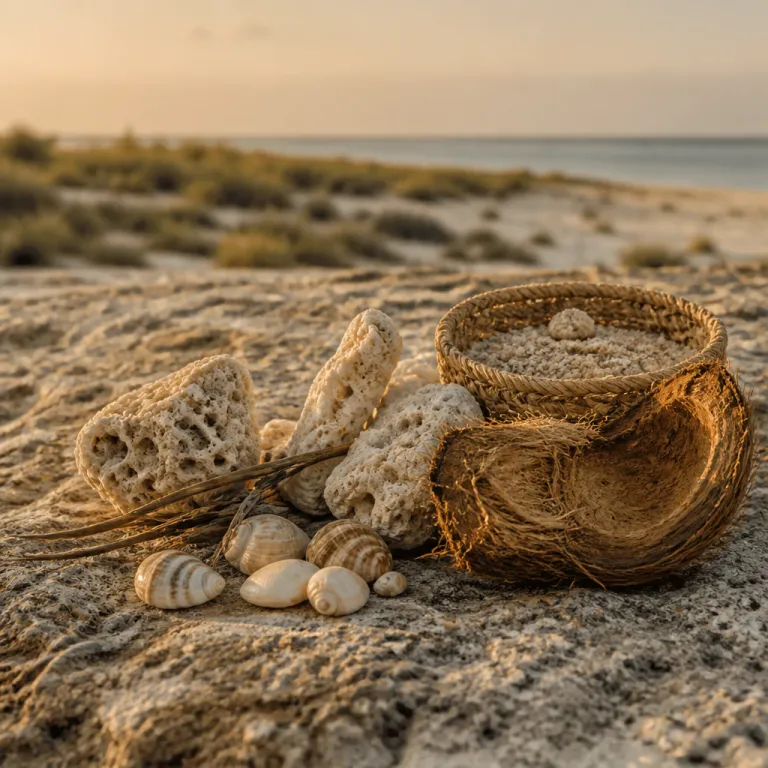
Aldabra Atoll Seychelles visit: why this remote lagoon matters to every luxury traveller
Aldabra Atoll lies more than 1 100 km southwest of Mahé, a remote raised coral island that reshapes how you think about the Seychelles outer islands. This is one of the largest raised coral atolls on the planet, a roughly 155 km² limestone ring enclosing a vast tidal lagoon where the western Indian Ocean breathes in and out with astonishing force. When you plan an Aldabra Atoll Seychelles visit, you are not just chasing another island; you are stepping into a living laboratory that quietly defines how the Seychelles islands approach conservation.
The atoll sits in the western Indian Ocean, part of the outer islands rather than the familiar granite group around Mahé and Praslin. Four main islands form the ring — including Picard Island, which hosts the research station — and dozens of smaller islets shelter marine species that have vanished elsewhere. When you look at a map of the Seychelles, Aldabra island appears almost off the page, yet its influence on marine policy reaches right back to every resort pool on Mahé.
UNESCO recognised Aldabra Atoll as a World Heritage Site in 1982, and that heritage site status is not decorative. The atoll is managed by the Seychelles Islands Foundation (SIF), often called the islands foundation or simply SIF, which treats human presence as a privilege rather than a right. For luxury travellers, understanding why this atoll is protected so fiercely will shape how you evaluate every island Seychelles stay, from private islands to clifftop suites overlooking coral reefs.
From Mahé to the outer islands: how an Aldabra Atoll Seychelles visit actually works
Reaching Aldabra Atoll is nothing like hopping between the inner Seychelles islands on a scheduled flight. There are no commercial air links to the atoll, no casual day trips, and no regular ferries threading the western Indian Ocean between Mahé and the Aldabra group. Access is restricted by design, and that is precisely why the lagoon and coral reefs still feel almost prehuman.
Any Aldabra Atoll Seychelles visit begins with permits from SIF, which controls numbers tightly and prioritises scientific teams. The official guidance from the Seychelles Islands Foundation is clear: “Access is restricted; special permits are required.” Once permission is granted — often several months before departure — travellers usually arrive as part of a small expedition group on a yacht or specialist cruise vessel, sometimes combining Aldabra island with other outer islands that fringe the Indian Ocean. This is not a quick island hop but a multi day commitment that respects distance, weather, and the fragility of the atoll.
Seasonality matters more here than at any other island Seychelles experience, because the ocean dictates everything. Expedition operators time their routes around the southeast trades, the same winds that make May to September the secret season for divers across the Seychelles islands, as explored in our guide to the southeast trade winds and diving conditions. When you finally approach the atoll by sea after several days under way, the first sight of the giant lagoon and the surf breaking on the outer coral rim explains instantly why no runway was ever carved into this heritage site.
Giant tortoises, nesting turtles and the only flightless bird of the Indian Ocean
The headline number at Aldabra Atoll is almost surreal: estimates from the Seychelles Islands Foundation and UNESCO suggest around 100 000 to 150 000 giant tortoises roam the islands, one of the largest populations of giant tortoises anywhere on Earth. These Aldabra giant tortoises, often simply called the Aldabra giant, graze across the atoll in slow motion, turning Aldabra island into a living archive of a world before humans. Encountering a single giant tortoise on another island Seychelles stay feels special, but here the density of giant tortoises redefines abundance.
Marine life is just as intense, because the atoll’s lagoon and surrounding coral reefs function as a nursery for countless species. Green turtles use the beaches for nesting in numbers that are rare across the wider Indian Ocean, and hawksbill turtles patrol the reef edges where the ocean surges through the channels. On a well timed Aldabra Atoll Seychelles visit, you may watch turtles haul out by day, then slip back into the lagoon at dusk while red footed boobies circle overhead in loose, noisy groups.
Birdlife on the atoll is a study in both survival and isolation, anchored by the Aldabra rail, the last remaining flightless bird of the western Indian Ocean. This small rail has persisted on the islands because predators never gained a foothold, a reminder of how fragile the atoll’s balance remains. When you stand on Picard Island listening to the calls of the Aldabra rail, with giant tortoises shuffling past and marine birds wheeling above, the usual Seychelles islands luxury narrative of spas and tasting menus feels very far away, though you might later reconnect with that side of the archipelago through our guide to seasonal dining and fresh catches in Seychelles.
Inside the Seychelles Islands Foundation: how SIF and partners hold the line
Aldabra Atoll is not protected by remoteness alone; it is actively defended by a small, highly committed équipe working under the Seychelles Islands Foundation. SIF manages the heritage site with a clear mandate to preserve biodiversity, prevent human impact, and monitor environmental change across the atoll and surrounding ocean. The research station on Picard Island anchors this effort, using patrol boats, field surveys, and satellite imagery to track both marine and terrestrial species.
The islands foundation does not work in isolation, and the atoll’s story is deeply entangled with global conservation networks. UNESCO, the International Union for Conservation of Nature, and the Royal Society have all supported research that treats Aldabra island as a reference point for coral reef resilience in the Indian Ocean. One official summary from UNESCO captures the stakes succinctly: “Why is Aldabra Atoll significant? It hosts unique biodiversity and is a UNESCO World Heritage Site.”
For travellers, this means any Aldabra Atoll Seychelles visit operates under strict environmental guidelines that go far beyond what you encounter on other islands. No take zones around the atoll ban fishing and extractive activities, and even walking routes on the islands are carefully controlled to avoid trampling nesting sites for turtles or disturbing giant tortoises. When you return to Mahé and check into a high end resort, you will recognise echoes of Aldabra’s model in the marine protected areas, reef safe policies, and sustainability pledges that now shape luxury stays across the Seychelles.
Planning your trip: pairing an Aldabra Atoll Seychelles visit with luxury stays
Because Aldabra Atoll sits so far from Mahé, most travellers frame it as the wild centrepiece of a longer Seychelles journey that begins and ends in comfort. You might spend several days on Mahé or another inner island Seychelles base, adjusting to the climate and exploring coral reefs closer to hand before committing to the outer islands. This is where a curated booking platform focused on luxury and premium stays across the Seychelles islands becomes invaluable, helping you align expedition dates with flexible pre and post atoll nights.
Think of your Aldabra Atoll Seychelles visit as one chapter in a broader Indian Ocean narrative that balances raw nature with refined hospitality. Before or after the atoll, you could book a spa focused retreat on Mahé or Praslin, choosing a property that takes marine conservation seriously and complements the ethos of the heritage site. Our in depth review of Seychelles spa resorts worth the flight is a useful starting point, especially if you want treatments that reference the ocean without adding pressure to fragile ecosystems.
On board the vessel that finally carries you to the atoll, expect simple cabins rather than private island opulence, because the focus is firmly on the lagoon, the islands, and the marine life. Days revolve around tidal windows, with landings timed to avoid disturbing nesting turtles, giant tortoises, or sensitive bird colonies, and evenings often given over to briefings about the atoll’s species and conservation challenges. When you eventually sail away from Aldabra island after a voyage that typically lasts more than a week door to door, the memory of that vast coral ring in the western Indian Ocean will quietly recalibrate what luxury means on every future trip to the Seychelles.
How Aldabra shapes the future of Seychelles islands travel and conservation
Aldabra Atoll is more than a remote coral ring; it is the template for how the Seychelles negotiates tourism, climate change, and marine protection. The country’s decision to protect a large share of its ocean through innovative finance mechanisms placed the atoll and its surrounding lagoon at the heart of a new marine protected area network. For travellers, every Aldabra Atoll Seychelles visit is therefore part of a broader experiment in aligning high value tourism with strict limits on human impact.
The lessons from this heritage site ripple across the archipelago, from the outer islands back to Mahé and the inner granite group. Resorts now talk more seriously about reef safe products, reduced boat traffic over coral reefs, and guided snorkelling that respects marine species rather than chasing them, because Aldabra shows what is at stake when an ecosystem remains almost intact. Even the way properties describe their proximity to turtles, rays, and fish schools increasingly references conservation language pioneered by the islands foundation and its partners.
For a solo explorer choosing where to stay, this means reading beyond the room categories and spa menus to understand how each island Seychelles property engages with the ocean. Ask how they support SIF or other conservation programmes, whether they help fund research on species such as the Aldabra rail or green turtles, and how they manage guest access to sensitive nesting beaches. The more travellers align their spending with the values embodied by Aldabra island and the wider Aldabra group, the more likely it is that this raised coral atoll in the western Indian Ocean will remain a place that almost nobody visits, yet quietly benefits every guest checking into a luxury suite across the Seychelles islands.
FAQ
How can one visit Aldabra Atoll from Mahé or other Seychelles islands ?
There are no direct commercial flights or ferries to Aldabra Atoll, so visits usually happen through specialist expedition cruises or private yacht charters that have permits from the Seychelles Islands Foundation. Travellers typically start on Mahé, then join a vessel that spends several days reaching the atoll and navigating its lagoon and surrounding islands. Because access is limited, weather dependent, and subject to SIF approval, planning must begin many months in advance.
Why is Aldabra Atoll considered so significant within the Indian Ocean ?
Aldabra Atoll is one of the world’s largest raised coral atolls and hosts one of the biggest populations of Aldabra giant tortoises, making it a globally important refuge for both terrestrial and marine species. Its relatively untouched coral reefs, lagoon habitats, and nesting beaches for green turtles and other turtles provide a benchmark for healthy ecosystems in the western Indian Ocean. This combination of scale, biodiversity, and isolation led to its recognition as a UNESCO World Heritage Site in 1982.
What threats does Aldabra face despite its remote location ?
Even with strict controls, Aldabra Atoll is vulnerable to climate change, particularly sea level rise and ocean warming that can damage coral reefs and alter the lagoon’s dynamics. Invasive species introduced accidentally by humans can also threaten native plants, birds such as the Aldabra rail, and other island fauna. The Seychelles Islands Foundation responds with continuous monitoring, biosecurity measures, and adaptive management to reduce these risks.
Are there any facilities or accommodation options on Aldabra island itself ?
There are no tourist hotels or guesthouses on Aldabra island, only a research station on Picard Island used by scientists and conservation staff. Visitors sleep on their expedition vessel, coming ashore only for tightly managed excursions that follow SIF guidelines to protect nesting sites, giant tortoises, and sensitive vegetation. This lack of infrastructure is intentional and central to keeping the atoll’s human footprint extremely light.
How does visiting Aldabra influence the way I choose luxury hotels in Seychelles ?
Experiencing Aldabra Atoll highlights the value of intact ecosystems, so many travellers return to Mahé and other islands with sharper questions about sustainability. You may prioritise properties that support marine conservation, limit pressure on coral reefs, and partner with organisations such as the Seychelles Islands Foundation. In this way, an Aldabra Atoll Seychelles visit can guide you toward luxury stays that respect the same natural heritage that makes the atoll so extraordinary.