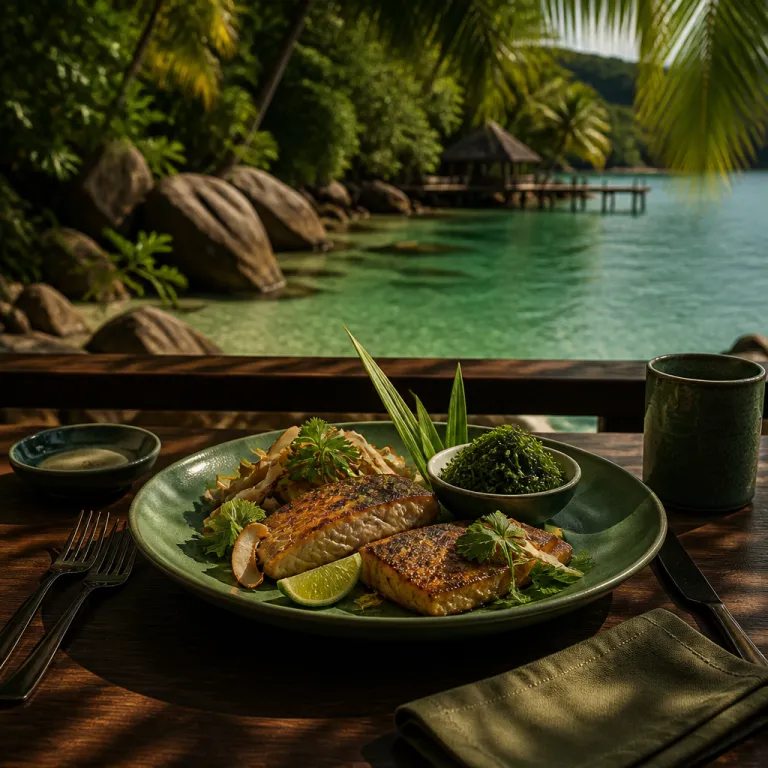
Why seychelles food belongs at the heart of your hotel search
Seychelles food is not an afterthought for luxury travellers; it is often the deciding factor between otherwise similar five-star resorts. Across the 115 Seychelles islands scattered across the Indian Ocean, Seychellois chefs turn the freshest reef and pelagic fish into refined Creole cuisine that rivals serious gastronomic restaurants. When you book a premium stay here, you are also reserving a front row seat to Seychellois cuisine as a living, breathing cultural performance rather than a generic hotel buffet.
The Seychellois people have shaped a traditional Creole melting pot of flavours where African, French, Indian, and Chinese influences meet on the plate. This blending of cultures appears in every course, from grilled fish brushed with garlic ginger marinades to kari zourit (octopus curry) simmered slowly in coconut milk until it is perfectly cooked. Luxury hotels that understand this heritage design culinary journeys where each meal tells a story about the islands, the local ingredients, and the Seychelles Creole way of life, instead of simply importing international dishes.
For travellers comparing properties across Mahé, Praslin, La Digue, and the outer Seychelles islands, the quality of local cuisine should sit alongside spa menus and villa sizes. Ask how often the hotel partners with artisanal fishermen for same day seafood deliveries, and whether the national dish of the islands appears in both traditional and modern forms. When Seychelles food is treated as a core part of the guest journey, you taste the difference in every plate of served rice, every slice of breadfruit, and every spoonful of Creole curry that reaches your table.
From market to Michelin level: how luxury hotels curate seychellois cuisine
In Victoria on Mahé, the capital of Seychelles, the morning market at Sir Selwyn Selwyn-Clarke Street sets the rhythm for many hotel kitchens. Chefs walk the stalls selecting gleaming red snapper, jobfish, and yellowfin tuna, fragrant curry leaves, and piles of coconut ready to be grated and pressed into coconut milk for the day’s menus. This direct link between local markets and resort restaurants is what elevates Seychellois cuisine from simple island fare to a refined Creole dining experience worthy of a special trip.
Many premium properties now offer guided excursions where guests follow the full journey of food Seychelles from market to table. At resorts such as Constance Lemuria on Praslin or Four Seasons Resort Seychelles on Mahé, you might start with a Seychellois guide explaining why “Fish, often accompanied by rice, is a staple in Seychellois cuisine,” a phrase echoed in Seychelles Tourism Board materials, before returning to the hotel for a private cooking class. There, a chef demonstrates how to balance garlic ginger, chilli, and coconut milk in an octopus curry, or how to transform salted fish into delicate traditional Creole dishes that still taste deeply local and seasonal.
Seasonality matters as much here as in any European gastronomic capital, and the best hotels publish a dining calendar that tracks the rhythms of the Indian Ocean. According to the Seychelles Fishing Authority, calmer southeast trade winds from roughly May to September favour certain pelagic species, while the inter-monsoon periods bring different coastal catches and reef fish. To understand how Seychelles food shifts with wind patterns and fishing seasons, read about the dry season dining calendar and fresh catches before you book. When you align your stay with peak periods for specific fish varieties, you give yourself the best chance of tasting grilled fillets, deep fried snacks, and slow cooked curry dishes at their absolute seasonal peak.
Resort kitchens as island ateliers: where chefs grow, catch, and cook
On the most exclusive Seychelles islands, resort kitchens operate more like ateliers than standard hotel back of house spaces. Culinary teams collaborate with local farmers, spice traders, and fishermen to secure ingredients that express Seychelles food at its purest, from just picked breadfruit to line caught fish still cool from the Indian Ocean. This close relationship with the land and sea allows Seychellois cuisine to remain both traditional and innovative at once, with chefs constantly testing new interpretations of classic Creole recipes.
Many luxury properties now maintain on site gardens where coconut palms, chillies, herbs, and even small plots of rice grow within walking distance of the main kitchen. At Six Senses Zil Pasyon on Félicité, for example, chefs lead morning walks through organic beds of lemongrass, basil, and chillies before guests see those same herbs appear in lunchtime Creole food. Guests can join chefs on similar walks across the Seychelles islands to see how island cooking is rooted in the soil, then taste those same ingredients cooked over charcoal grills or steamed gently in banana leaves. When octopus curry or the national dish of grilled fish arrives at your table, you know the coconut milk, garlic ginger, and other ingredients were harvested or sourced only hours earlier.
If you are curious about which hotels take this field to fork philosophy most seriously, look for properties highlighted in guides to the inner islands secret kitchens. These resorts treat Seychelles food as a form of cultural stewardship, preserving traditional Creole cooking methods like slow simmering curry in cast iron pots while also refining plating and service. One Mahé based chef described his approach as “cooking the food my grandmother would recognise, but plating it for guests who have eaten in Paris and Singapore,” a sentiment that captures how every course, from deep fried breadfruit chips to delicately grilled seafood, feels like a curated expression of Seychelles Creole identity.
Signature seychelles food experiences to request when booking
When you contact a luxury hotel in Seychelles, ask specific questions about Seychelles food experiences rather than relying on generic “fine dining” promises. A serious culinary program will offer more than one restaurant, with at least one venue dedicated to Seychellois cuisine and traditional Creole dishes. You should be able to reserve themed evenings that highlight Creole cuisine, Indian inspired curry nights, and seafood focused menus built around the day’s catch and regional cooking styles.
Look for private beach dinners where grilled fish is cooked over open flames only metres from the shoreline, then served rice and breadfruit on elegant yet simple tableware. Many chefs now design tasting menus that trace the melting pot history of Seychelles Creole flavours, moving from African influenced stews to French style sauces and Indian spiced curry courses. These menus often feature octopus curry, salted fish fritters, and coconut milk desserts that show how Seychelles food can be both rustic and sophisticated in the same meal, with each course paired thoughtfully with wine or local rum.
For guests who want to understand the Indian Ocean ecosystem that supports this cuisine, some hotels pair snorkelling excursions with culinary workshops. After a guided reef swim, perhaps inspired by this detailed guide to snorkelling with reef fish, you return to the resort to learn how local cooking traditions respect marine resources. This is where Creole food philosophy becomes tangible, as chefs explain why certain fish are grilled, others deep fried, and some reserved for slow cooked curry dishes that honour their texture and flavour while avoiding overfished species.
Designing a culinary itinerary across the seychelles islands
A single resort, no matter how luxurious, can only show you one facet of Seychelles food. To appreciate the full range of Seychellois cuisine, consider a multi island itinerary that combines Mahé, Praslin, La Digue, and at least one private island stay. Each of these Seychelles islands has its own approach to Creole cuisine, shaped by local ingredients, fishing grounds, and the personalities of resident chefs who interpret the same classics in different ways.
On Mahé, you might focus on street food Seychelles experiences and market visits, tasting deep fried snacks, grilled fish skewers, and coconut based desserts alongside residents. Praslin’s resorts often highlight seafood driven menus where reef fish and octopus curry dominate, paired with served rice and roasted breadfruit that showcase traditional Creole sides. La Digue, with its slower pace, is ideal for long lunches where salted fish salads, Creole curries, and coconut milk sauces are cooked slowly and eaten even more slowly in family run restaurants and beachside kiosks.
Private islands then become the stage for the most personalised Seychelles food experiences, from chef’s table dinners to custom menus built around your favourite dishes. Here, Seychellois cuisine can be tailored to dietary preferences without losing its Creole melting character, whether you prefer more Indian spice, lighter grilled seafood, or entirely plant based menus. By the end of such a journey, you will have tasted how Seychelles Creole cooking adapts across islands while remaining rooted in the same national dish traditions and local ingredients that define the archipelago.
How to evaluate hotel restaurants and cooking programs before you book
Evaluating Seychelles food offerings from afar requires more than glancing at a sample menu on a website. Start by checking whether the hotel names Seychellois cuisine explicitly and explains how it interprets Creole cuisine rather than hiding behind generic “international” labels. A serious program will reference traditional Creole dishes such as grilled fish with garlic ginger, octopus curry in coconut milk, and salted fish preparations that reflect the islands’ history and everyday home cooking.
Look for signs that the property treats food Seychelles as a cultural pillar, not just a service. Does the hotel mention partnerships with local fishermen, farmers, and spice traders, or highlight that “Seychellois cuisine blends African, French, Indian, and Chinese influences.” in its storytelling? These details, often echoed by the Seychelles Tourism Board and local food festivals in Victoria such as the annual Creole Festival, indicate respect for the melting pot origins of Seychelles Creole cooking and suggest that your meals will be both authentic and thoughtfully cooked.
Finally, examine whether the hotel offers interactive experiences such as cooking classes, market tours, or chef hosted tastings focused on Seychelles food. A property that invests in teaching guests how to prepare Creole food, from deep fried snacks to slow simmered curry dishes, usually also invests in ingredient quality and technique. When you see this level of commitment, you can book with confidence that every plate of fish, every serving of served rice and breadfruit, and every sip of coconut milk sauce will reflect the best of Seychellois cuisine rather than a diluted version adapted only for tourists.
Key figures and culinary facts about seychelles food
- Seychelles consists of 115 islands in the Indian Ocean, which creates diverse fishing grounds and microclimates that shape local ingredients and Seychellois cuisine (source: Seychelles Tourism Board and Wikipedia).
- Three main languages are spoken in Seychelles, including Seychellois Creole, English, and French, and this linguistic diversity mirrors the Creole cuisine melting pot on the plate (source: Wikipedia).
- Historical records show French settlers arriving in the late eighteenth century, followed by British control and the abolition of slavery, a sequence that directly influenced the development of Seychelles Creole food traditions (historical datasets on Seychelles).
- Grilled fish marinated with garlic, ginger, and chilli is widely cited as one of the most popular Seychelles food dishes among visitors and locals, reflecting the central role of seafood in the national diet (tourism and culinary surveys).
FAQ about seychelles food in luxury and premium hotels
What are the main influences on seychellois cuisine in high end resorts ?
Seychellois cuisine in luxury hotels blends African, French, Indian, and Chinese influences into a distinctive Creole cuisine. Menus often feature curry dishes, grilled fish, and coconut milk sauces that reflect this melting pot. Resorts refine these traditional Creole recipes with modern techniques while keeping the flavours recognisably local and rooted in island ingredients.
What is a staple seychelles food dish I should not miss ?
Fish, often accompanied by rice, is a staple in Seychellois cuisine. In practice, that means you should prioritise grilled fish marinated with garlic ginger, often served rice and breadfruit on the side. Many chefs also recommend trying octopus curry as a signature expression of Seychelles Creole flavours that captures the balance of spice, coconut, and slow cooking.
How do luxury hotels source fish and seafood responsibly ?
Premium properties usually partner with local fishermen to secure same day catches while respecting seasonal patterns in the Indian Ocean. They adjust Seychelles food menus according to what is abundant, favouring grilled and cooked preparations that minimise waste and avoid pressure on vulnerable species. Guests can often learn about these practices during market tours or chef led talks on sustainable Creole food cooking.
Are vegetarian or vegan options compatible with traditional creole cuisine ?
Yes, many Seychelles food traditions centre on vegetables, breadfruit, lentils, and coconut based sauces that adapt well to vegetarian or vegan diets. Luxury hotels can create plant focused versions of traditional Creole dishes by replacing fish or meat with local vegetables and pulses. The key flavours of Seychellois cuisine, such as garlic ginger, spices, and coconut milk, remain intact even when the protein changes.
When is the best time of year to plan a seychelles food focused trip ?
Sea conditions and wind patterns shift throughout the year, influencing which fish species are most available. While excellent Seychelles food is served year round, some travellers time their visits to align with drier months that favour fishing and outdoor grilling experiences. Consulting hotel dining calendars and regional guides to seasonal flavours helps you match your stay with your preferred style of Creole cuisine and the ingredients you most want to taste.