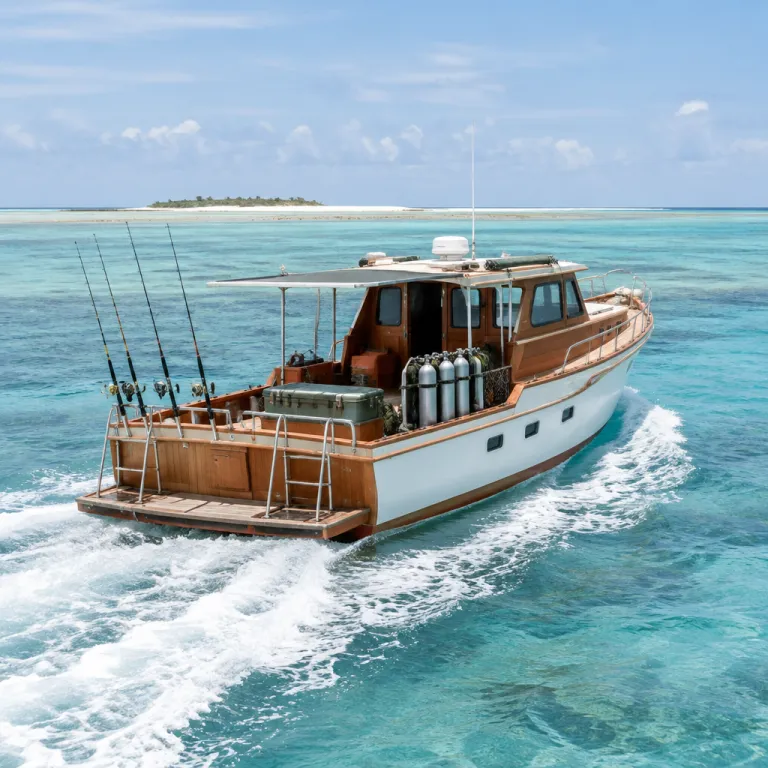
Why the Seychelles outer islands liveaboard is the archipelago’s wild frontier
Beyond the granite silhouettes of Mahé and Praslin, the Seychelles outer islands liveaboard routes push deep into the Aldabra Group. A liveaboard here means committing to several days at sea, far from phone signal, with only a small number of guests on board and the Indian Ocean stretching unbroken to the horizon. This is not a casual day trip from Mahé but a full expedition that reshapes how you think about travel and about the sea itself.
Cosmoledo lies roughly 1 000 kilometres southwest of Mahé, with Astove a close neighbour, so every liveaboard itinerary must respect distance, weather and strict conservation rules. Access is tightly controlled ; you typically fly from Mahé to Astove on a charter, then board the vessel that will be your floating base for diving, fishing and long days on the water. For most travellers, the Seychelles outer islands liveaboard experience becomes a once in a decade journey rather than one more item on a list of dive destinations.
On these routes you are not choosing between a city hotel and a beach resort but between different styles of expedition comfort. Some Seychelles liveaboards use container based eco pods on shore for a night or two, while others keep you fully at sea with all dives launched by tender from the main board. Either way, booking requires planning many months ahead, because the number of berths is small and upcoming departures are limited by the short calm season from roughly November to May.
Astove and Cosmoledo beneath the surface: walls, channels and serious current
For divers, the Seychelles outer islands liveaboard promise is simple ; you come here to dive some of the least disturbed coral reefs in the Indian Ocean. Astove’s famous wall drops from the shallows to beyond 40 metres, and liveaboard diving here means drifting along a vertical city of coral, groupers and patrolling sharks. These are not gentle resort house reefs but powerful sites where diving Seychelles demands experience with current, negative entries and blue water ascents.
Cosmoledo’s lagoon covers around 145 000 hectares, and the channels that cut through its rim are classic pelagic dive sites. On a good day you might see manta rays sweeping past in formation, grey reef sharks working the current lines and clouds of smaller marine life pulsing over hard coral terraces. Whale sharks are possible in the wider Seychelles, but here the real drama lies in the density of life on the reef and the sense that very few people have ever made this same dive.
Operators such as Faneca Expeditions focus on intermediate to advanced guests who already have a solid Seychelles dive background or experience from places like Costa Rica, Papua Guinea or the Guinea Philippines region. Many guests compare the intensity of a dive safari here with trips in Pacific Australia or the remote atolls between Australia and Fiji, where liveaboard diving is also the only realistic access. If you are used to gentle training dives off Mahé, treat Astove and Cosmoledo as a step up and build your skills before you commit to this level of sea and current.
Between expeditions, some travellers pair their outer islands liveaboard with quieter days on inner island sanctuaries such as Cousin Island retreats for luxury travellers. That contrast between raw marine life offshore and refined coastal stays in the inner islands helps you appreciate how varied Seychelles diving and hotel experiences can be. It also makes the long travel days and the demanding dives feel like part of a wider, carefully curated Indian Ocean journey.
Fly fishing, Blue Safari Seychelles and the rhythm of life on board
Not everyone joins a Seychelles outer islands liveaboard purely to dive ; for many, Cosmoledo is synonymous with saltwater fly fishing. Blue Safari Seychelles and partners such as Angler Adventures have helped shape a model where small groups wade the flats for giant trevally, bonefish, triggerfish and permit, while the liveaboard or eco camp provides full board comfort between tides. The result feels closer to a private expedition yacht than a conventional cruise, even if the cabins are deliberately simple rather than opulent.
Days fall into a steady rhythm that quickly becomes addictive. At first light you step off the board into knee deep water, scanning for shadows of rays and sharks sliding across the sand, then spend hours stalking fish before returning for lunch and perhaps an afternoon dive. Evenings bring logbook sessions, gear checks and quiet conversations about the best sites of the day, with guests trading stories from Costa Rica, the Dominican Republic or other far flung dive destinations.
Because the lagoon and flats are finite, the number of rods and the number of divers are capped on each trip to protect the habitat. Eco pods and container based camps on Cosmoledo keep infrastructure light, while skiffs and tenders spread guests across the atoll so no single flat or channel feels pressured. Compared with a resort stay on an inner island such as Fregate Island’s rarefied private sanctuaries, life here is more elemental ; you trade plunge pools and wine lists for the luxury of space, silence and water that feels almost entirely your own.
How to plan, book and time a Seychelles outer islands liveaboard
Securing a place on a Seychelles outer islands liveaboard is less like booking a city hotel and more like arranging a small expedition. Reputable operators advise guests to book 12 to 18 months ahead, because each vessel carries only a limited number of divers and anglers and the calm season is short. If you are used to spontaneous long weekend travel, the lead time and the conservation permits can feel demanding at first.
The main operating window runs from roughly November to May, with many guests favouring the december january period for lighter winds and clearer water. Outside these months, sea conditions can make the long crossing from Mahé uncomfortable, and liveaboard diving schedules become unreliable. When you plan your year, treat this trip as the central pillar around which other journeys to places like Pacific Australia or Australia and Fiji must fit.
Expect strict luggage limits on the charter flight from Mahé to Astove, so pack light and prioritise essential dive and fishing gear over multiple outfits. Many Seychelles liveaboards provide tanks, weights and often rental regulators, which helps keep your bag within the allowed number of kilograms. Before you finalise your booking, confirm exactly what is included in the full board rate, how conservation fees are handled and whether any upcoming departures are designated for private groups or open to solo travellers.
For some guests, the ideal pattern is to pair the expedition with a few nights in characterful island houses or heritage stays on Mahé or Praslin. Properties featured in guides such as plantation houses turned Seychelles guesthouses offer a grounded counterpoint to the liveaboard rhythm. That way, your trip moves from Creole verandas and granite framed beaches to the far south atolls and back again, giving the whole journey a satisfying narrative arc.
Conservation, responsibility and how this trip compares globally
The reef systems around Astove and Cosmoledo remain unusually intact because access has always been difficult and carefully managed. Eco camps, strict fishing regulations and collaboration between operators, the Island Development Company and conservation authorities keep the footprint low, even as interest in diving Seychelles grows. Sustainable fishing and sport fishing regulation increased, and eco camps are replacing larger resorts so that tourism revenue supports protection rather than pressure.
When guests ask, “Is Cosmoledo good for beginner divers?”, the honest answer from the field is clear ; “No. Best suited to intermediate-advanced divers comfortable with currents.” That same directness applies to every aspect of the Seychelles outer islands liveaboard experience, from the expectation that you will respect no take zones to the understanding that some dive sites will be off limits if sharks are schooling or conditions shift. Your role is to fit into a system designed to keep these islands wild for the next generation, not to bend it around your personal wish list.
In global terms, Astove and Cosmoledo sit in the same mental map as remote parts of Papua Guinea, the outer reefs of Pacific Australia or specialist liveaboard diving itineraries between Australia and Fiji. Travellers who have already logged a Seychelles dive safari or explored coral reefs in Costa Rica, the Dominican Republic or the Guinea Philippines region often describe this as the most committing trip of their diving year. The difference is that here, the combination of strict limits on the number of visitors, the absence of large hotels and the focus on marine life first, tourism second, creates a sense of privilege that no amount of five star polish can replicate.
Choosing the right traveller profile for Astove and Cosmoledo
A Seychelles outer islands liveaboard is not designed for everyone, and that is precisely why it remains special. You should be comfortable spending many days at sea, sharing close quarters on board with a small group and accepting that the best dive sites or fishing flats may require early starts, long skiff rides and the occasional missed plan. If your ideal trip revolves around spa menus and shopping, the inner islands will serve you better.
The guests who thrive here tend to be independent travellers who already plan their year around marine life encounters. Many have ticked off whale sharks in other parts of Seychelles or in Costa Rica, logged manta encounters in Pacific Australia or the Guinea Philippines region and now want something rarer. They see the Seychelles outer islands liveaboard not as a first dive holiday but as a natural progression from previous trips to classic dive destinations.
Solo explorers fit particularly well into this rhythm, because cabins are often priced per person and the social life on board is relaxed and focused on the sea. Over the course of a week or more, conversations range from favourite coral reefs in the Dominican Republic to the merits of different liveaboard diving setups in Australia and Fiji, all while the wake of the sea pearl coloured lagoon trails behind the stern. If that sounds like your idea of luxury, then Astove and Cosmoledo may well be the most rewarding, and most honest, trip you ever book in Seychelles.
FAQ
How do I reach Astove and Cosmoledo from Mahé ?
Travellers typically fly by charter from Mahé to Astove, then transfer by boat or liveaboard to Cosmoledo. The journey involves strict luggage limits and is usually arranged directly by operators such as Blue Safari Seychelles or Faneca Expeditions. You cannot simply arrive on Mahé and expect a same day transfer, so plan well ahead.
When is the best season for a Seychelles outer islands liveaboard ?
The calmest conditions for a Seychelles outer islands liveaboard usually fall between November and May. Many divers and anglers favour the december january window for lighter winds and clearer water, though exact timing varies by year. Outside this period, sea states can make the long crossing from Mahé uncomfortable and limit access to key dive sites.
Is Cosmoledo suitable for beginner divers ?
Cosmoledo and Astove are best reserved for intermediate to advanced divers who are confident in currents and blue water ascents. The channels and walls can be demanding, and liveaboard diving here assumes prior experience, ideally including a Seychelles dive safari or similar trips abroad. Beginners are better served by sheltered inner island sites closer to Mahé.
How far in advance should I book a liveaboard to the outer islands ?
Because vessel capacity is limited and the operating season is short, you should aim to secure your booking 12 to 18 months in advance. Upcoming departures often sell out quickly, especially those that combine both diving and fly fishing. Treat this as a major expedition in your travel calendar rather than a last minute add on.
Can I combine the outer islands liveaboard with a luxury hotel stay in Seychelles ?
Many travellers pair their Seychelles outer islands liveaboard with a stay on Mahé, Praslin or a private inner island to balance expedition days with more traditional luxury. This combination allows you to enjoy refined service and spacious suites before or after the more elemental life on board. It also helps with logistics, giving you buffer days around charter flights and long sea passages.