What Seychelles Creole guesthouse heritage really means for your stay
On the Seychelles islands, some of the most characterful places to stay are old Creole plantation houses quietly reborn as intimate guesthouses. These timber and coral stone buildings carry layers of cultural memory, from Seychellois daily life to the mixed influences of Africa, Europe and the wider Indian Ocean world. Choosing this kind of house over a large resort means sleeping inside Seychelles Creole guesthouse heritage rather than just looking at it from the beach.
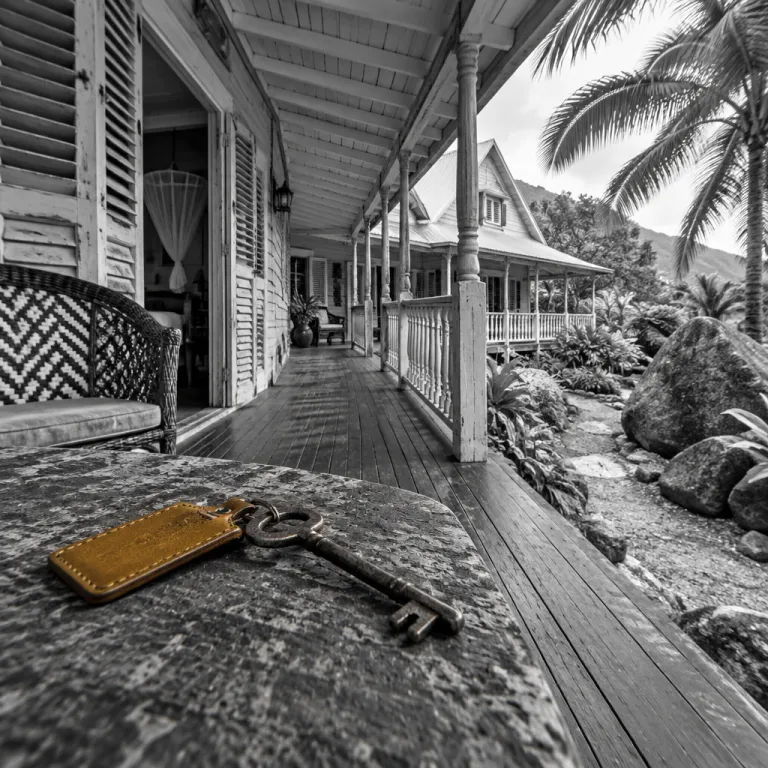
A traditional Creole house in Seychelles usually sits slightly raised above the ground, with a steep roof, deep verandas and louvred shutters that manage heat and rain better than many modern systems. This architecture grew from Seychellois people adapting to the climate and to island resources, using local timber and coral rock while shaping a distinct Creole identity in the process. When such a house becomes a guest space, visitors share not only a room but also a living fragment of Seychelles culture and cultural heritage that still anchors community identity today.
For couples used to polished resorts, the shift to a heritage house stay can feel like a move from stage set to backstage pass. You hear the rain on the roof, smell Creole cuisine drifting from a local kitchen and sense how Seychellois Creole culture evolved around verandas, courtyards and gardens rather than infinity pools. This is where Seychelles cultural narratives, heritage arts and the rhythms of daily life become part of your own Seychelles travel story, one conversation with local people at a time.
Architecture of a Creole plantation house on the islands
Creole plantation houses across the Seychelles islands share a recognizable language of design that still works beautifully in the tropical climate. Wide verandas wrap around the house to shade walls, while high ceilings and wooden shutters create cross ventilation that channels the Indian Ocean breeze through every room. When these houses become guesthouses, that same cultural intelligence of design turns into a quieter, cooler stay without needing excessive technology.
Many of the most atmospheric houses stand on gentle slopes above an island beach, where granite boulders and takamaka trees frame views that feel almost ceremonial. From a veranda chair you can read the museum history of the islands in the landscape itself, from old coconut plantations to the outlines of former spice gardens that once underpinned Seychelles heritage and economic life. This is where the built environment, Creole culture and the natural setting merge into one continuous cultural heritage experience for guests.
In Victoria, the national capital, you see echoes of this Creole architecture in civic buildings, the National Museum and restored houses that now host cultural institutions. A walk between the National Museum and the nearby National Institute for Culture, Heritage and the Arts shows how Seychelles cultural policy tries to protect both objects and buildings as part of a single culture heritage story. For a deeper context before or after your stay in a guesthouse, explore one of the curated cultural walks and heritage experiences described in this guide to Seychelles beyond the resort, from Creole markets to living heritage.
From family home to guesthouse: living Seychellois culture from the inside
When a Creole plantation house becomes a guesthouse, it usually remains first and foremost a home. You may find the owner’s family photographs on the walls, a shelf of well thumbed books about Seychelles culture and a kitchen where Creole cuisine simmers long before breakfast is served. This intimacy is the essence of Seychelles Creole guesthouse heritage, where guests enter the lived reality of Seychellois people rather than a stylized version of island life.
Daily life in such a house follows the rhythm of the island, not the timetable of a resort. Morning might begin with strong coffee on the veranda, while the Indian Ocean light softens the outlines of nearby islands and the scent of breadfruit or cinnamon drifts from a local house next door. In the evening, you might share grilled fish, rice and lentils with your hosts, learning how Seychellois Creole identity has been shaped by African, European, Indian and Chinese influences over generations.
Staying in these houses also connects you to the wider cultural ecosystem that sustains Seychelles heritage. Hosts often point guests toward the National Museum, the Seychelles Heritage Foundation’s projects or exhibitions at the National Institute for Culture, Heritage and the Arts, where heritage arts and museum history displays deepen what you have already felt at the guesthouse table. During Festival Kreol, the annual celebration of Creole culture and Seychellois Creole language, the entire island network of houses, streets and beaches becomes a stage for music, dance and food that turns every stay into a cultural immersion.
How to read authenticity: questions to ask before you book
Not every timber house with shutters automatically represents authentic Seychelles Creole guesthouse heritage, so it pays to look closely. True Creole plantation houses usually show a coherent architectural language, from the pitch of the roof to the proportions of the veranda and the way the house sits in relation to the island landscape. Ask for old photographs or a brief museum history style summary from the owner, because families who have lived this culture heritage tend to know their house’s story in detail.
Renovation style reveals a lot about respect for cultural heritage and Creole identity. Sensitive restorations keep original floorboards, staircases and louvred windows wherever possible, adding modern bathrooms and wiring in ways that do not erase the Seychellois cultural character of the house. When a property feels more like a generic beach villa with a few Creole ornaments, you are probably seeing a pastiche rather than a living piece of Seychelles heritage and Seychellois Creole daily life.
Before confirming your stay, ask specific questions about the house and its cultural connections. Does the owner collaborate with the Seychelles Heritage Foundation, the National Institute for Culture, Heritage and the Arts or the National Museum on heritage arts or storytelling projects that share Seychellois people’s experiences Seychelles wide? Do they cook Creole cuisine using local ingredients, recommend visits to Victoria’s cultural quarter or encourage guests to attend Festival Kreol events that celebrate Creole culture and Seychellois identity on the islands? The more precise and grounded the answers, the more likely you are booking into genuine Seychellois Creole guesthouse heritage rather than a themed backdrop.
Pairing heritage guesthouses with refined island resorts
For many couples, the sweet spot lies in combining a few nights in a Creole plantation guesthouse with time in a refined island resort. The guesthouse gives you cultural depth, close contact with Seychellois people and a sense of how local daily life unfolds around the house, the garden and the nearby beach. The resort then adds spa rituals, elaborate pools and polished service that frame the Indian Ocean islands as a luxurious retreat.
Think of the heritage stay as the foundation of your Seychelles cultural journey, where you build an emotional connection to Seychellois Creole identity before slipping into resort mode. After sharing Creole cuisine at a family table, visiting the National Museum in Victoria and perhaps attending a Festival Kreol performance, you will carry a richer understanding of Seychelles culture into every subsequent island experience. That context makes even a simple sunset cocktail feel different, because you now read the landscape as part of a long cultural heritage story rather than just a backdrop.
When you are ready to add a more polished chapter to your itinerary, look at curated selections of Seychelles resorts that respect local culture and environment. A useful starting point is this guide to resorts for refined island escapes in the Indian Ocean, which highlights properties that balance comfort with a sense of place. By moving between heritage houses and carefully chosen resorts, you experience Seychelles as both a living Creole culture and a world class island escape, rather than sacrificing one dimension for the other.
Who these heritage guesthouses suit and how to plan your stay
Creole plantation guesthouses in Seychelles suit travelers who value narrative, nuance and human connection over sheer scale. Couples who enjoy talking with local people, tasting home cooked Creole cuisine and learning about Seychellois Creole language will find these houses a natural fit. If you want a stay that feels like a chapter in the islands’ museum history rather than a generic beach holiday, Seychelles Creole guesthouse heritage will likely resonate deeply.
Planning your itinerary begins with choosing which island or islands best match your interests. Mahé offers proximity to Victoria, the National Museum, the National Institute for Culture, Heritage and the Arts and the main venues for Festival Kreol, making it ideal for travelers focused on Seychelles cultural experiences. Smaller islands can feel more secluded, but a heritage house there still connects you to the wider Indian Ocean story of migration, trade and Creole culture that shaped Seychellois identity.
Allow at least a few nights in one heritage house to settle into the rhythm of daily life. Use mornings for slow verandas, conversations with hosts and perhaps a visit to a nearby museum history exhibition or heritage foundation project that interprets Seychelles heritage and culture heritage for visitors. Afternoons can be for the beach, for walking through old plantation landscapes or for simply sitting under a takamaka tree, letting the sounds of Seychellois people, birds and waves fold your own Seychelles experience into the ongoing story of these islands.
FAQ
What makes a Seychelles Creole plantation guesthouse different from a regular hotel ?
A Seychelles Creole plantation guesthouse is usually a historic house that once served as a family home or plantation residence, now adapted for guests while keeping its original architecture. You stay inside a structure built with local timber, coral stone, verandas and shutters that reflect Seychellois culture and Creole identity rather than standardized hotel design. This creates a more intimate cultural heritage experience, with closer contact to local people and daily life on the islands.
Is a heritage guesthouse stay comfortable enough for a luxury focused trip ?
Comfort levels vary, but many restored Creole houses now offer high quality beds, modern bathrooms and thoughtful amenities while preserving their historic character. The luxury here is less about marble lobbies and more about space, breeze, light and the feeling of sleeping inside Seychelles heritage with the Indian Ocean just beyond the veranda. For travelers used to full service resorts, pairing a few guesthouse nights with a resort stay often delivers both cultural depth and indulgent relaxation.
How can I tell if a Creole guesthouse is genuinely historic and not just themed ?
Ask the owner about the house’s history, previous uses and any restoration work, and look for details like original floorboards, staircases and louvred windows. Genuine heritage houses often have documented links to local families, plantation histories or projects run by the Seychelles Heritage Foundation, the National Museum or the National Institute for Culture, Heritage and the Arts. Reviews that mention storytelling by hosts, references to Festival Kreol or connections to heritage arts events are also good signs of authenticity.
Which island is best for a first time heritage focused stay in Seychelles ?
Mahé works well for a first visit because it combines heritage guesthouses with easy access to Victoria, the National Museum and key Seychelles cultural institutions. You can explore Creole culture by day, from markets to museum history exhibits, then return to a Creole house that expresses the same identity in timber and stone. Once you understand that foundation, adding nights on other islands lets you experience Seychelles heritage in quieter, more rural settings.
Can I combine a heritage guesthouse with a private island or high end resort stay ?
Combining both styles is often the most rewarding way to experience Seychelles, especially for couples seeking romance and cultural depth. Start with a Creole plantation house stay to ground yourself in Seychellois people’s stories, Creole cuisine and daily life, then move to a resort for spa time and refined beachside privacy. This sequence lets you carry a richer understanding of Seychelles culture and cultural heritage into every sunset and shoreline you enjoy later in the trip.