The quiet shift: from roaring colony to connoisseur season
For most visitors, Bird Island in Seychelles is defined by noise. During the breeding season hundreds of thousands of sooty terns circle the northern tip, a living storm over the Indian Ocean that feels almost architectural in its density. By the end of October that spectacle has drained away, and the island suddenly belongs to those who value subtlety over drama.
The tern colony’s departure changes everything about birdwatching on this remote coral island. Skies that were once thick with a single dominant species become open, and serious birding turns from counting breeding pairs to scanning for migrants and vagrants that slip in quietly on shifting winds. This is the time when the serious birdwatcher, not the casual guest, will feel the island’s rhythm aligning with their own patience and curiosity.
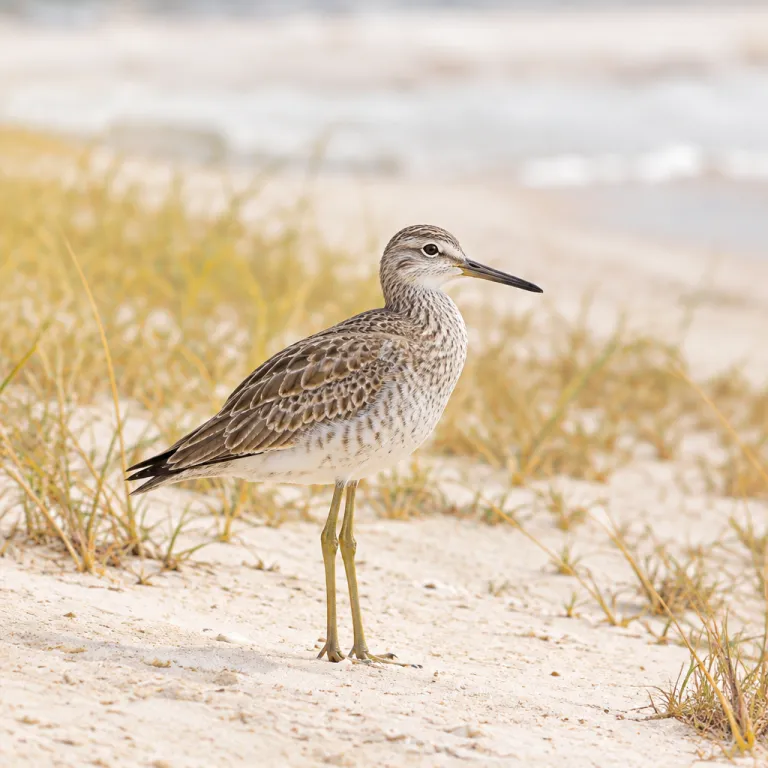
Local records and BirdLife Seychelles notes describe the shift with disarming clarity. “Terns depart by end October”, one monitoring entry explains, and then adds the line that matters for any connoisseur of birds Seychelles wide: “Migrants and vagrants including shorebirds, warblers, rare species”. That simple statement captures why late October on this low coral island is less about volume and more about the refined pleasure of finding one unexpected bird among many common land birds.
Why late October belongs to the serious birdwatcher
Once the roar of breeding birds fades, the island becomes a listening exercise. You walk the white sand tracks at first light, the sea on one side and low scrub on the other, and every chip or call could be a migrant that did not appear in the Seychelles field guide last season. For dedicated observers, this is the time when the phrase “true birdwatcher” finally means something practical.
Late October and November bring a quiet procession of birds that have no interest in the earlier breeding frenzy. Storm systems over the Indian Ocean push in unexpected species such as common greenshank, curlew sandpiper or willow warbler, and the serious birdwatcher checks winds and cloud cover the way a sailor reads tides. Guidance from seasoned observers is simple and precise: “Go around dawn”, “Stay near freshwater or shore edges”, and “Check winds for migration push”.
This is also when couples who usually split their time between culture on Mahé and nature reserve walks on Praslin start to plan a different kind of escape. They might pair a night in Victoria during Festival Kreol with a few days on this remote island outpost, using insights from a cultural guide such as how to catch the islands’ loudest week of culture before trading music for migratory birds. For them, late-season birding here is less about ticking lists and more about sharing the quiet thrill of a rare bird stepping out of coastal scrub.
From spectacle to subtlety: what you actually see
During the breeding peak, Bird Island feels like a single narrative about one bird and one colony. After the terns leave, the story fragments into dozens of smaller encounters with birds Seychelles enthusiasts track carefully, from passing shorebirds to unexpected land birds that pause on this low coral platform. The details matter now, because every wing bar and eye ring could signal a vagrant that will be logged by a bird records committee.
Serious birding in this period means accepting that some days bring only common species and others deliver a single unforgettable sighting. You might spend an hour watching a lone Madagascar turtle dove feed near a freshwater depression, or scan the sea for a distant wedge-tailed shearwater while white tropicbirds carve bright arcs over the blue water. Increasing migrant documentation and rare vagrant records often spike after storms, so couples who enjoy a little meteorological drama will quietly hope for unsettled weather offshore.
For luxury travelers used to the sculpted granite of the granitic islands such as Mahé or La Digue, Bird Island’s low profile can feel almost austere. Yet that simplicity is precisely what makes it a reference point in any curated list of Seychelles resorts for refined island escapes in the Indian Ocean, such as those profiled in this guide to refined island escapes in the Indian Ocean. Here the luxury is not a plunge pool but the chance to stand alone on a white beach, scanning a line of sea and sky where the next bird species could be something no one has yet recorded this season.
Pairing Bird Island with Mahé, Vallée de Mai and Aride
Couples planning a premium Seychelles itinerary often start with Mahé, then add Praslin for Vallée de Mai and perhaps Aride Island for its protected nature reserve. Bird Island slots into that circuit as the northern punctuation mark, a place where coastal migrants and pelagic species complement the endemic land birds seen in the forests of the granitic islands. The contrast between coral island and granite peak deepens your sense of how varied these islands really are.
On Mahé you might stay at an elegant oceanfront resort such as the property reviewed in this guide to an elegant oceanfront escape on Mahé’s west coast, using it as a base for day trips to see Seychelles blue pigeon and Seychelles sunbird in the hills. From there, a short domestic flight from Mahé’s domestic terminal takes you to Bird Island, where the same birds Seychelles travelers admired in forest canopy are replaced by migrants that treat the island as a rest stop. Time your stay so that you experience both the lush shade of Vallée de Mai, with its coco de mer palms, and the open horizons of Bird Island in a single trip.
Aride and its surrounding sea reserve offer another layer of context for late-season birding. Where Aride Island is about dense breeding colonies and tightly managed access, Bird Island in late October is about space, silence and the possibility of a single unexpected bird stepping out of coastal scrub. Combining these islands in one itinerary gives you both the certainty of seeing famous bird species and the thrill of searching for something that may only appear once in a decade.
What to expect on a remote, low key island stay
Bird Island is not a place for guests who need a long spa menu or a butler on speed dial. Accommodation is deliberately simple, with the luxury expressed instead through space, quiet and the ability to walk from your room to the shore in under a minute. For couples used to polished resorts, setting expectations correctly will make the difference between mild shock and deep contentment.
The island’s layout is straightforward: a narrow strip of white sand, low vegetation and the surrounding ocean forming a natural amphitheatre for watching birds. You walk, you watch, you rest, and then you walk again at a different time of day, because light and tide change which species appear along the shore. Tools are basic but effective, from a good pair of binoculars and a field guide to a checklist or eBird app that lets you log migrants in real time.
For couples, the romance here is not about ornate design but about shared focus. You might stand together at dawn, scanning the sea for a distant flock while land birds call behind you, or sit on the veranda in late afternoon comparing notes on which species passed through the nature reserve that day. If you arrive knowing that this is a remote island Seychelles experience built around wildlife rather than service theatre, you will find the stay both grounding and quietly luxurious.
How Bird Island fits into Seychelles conservation and luxury travel
Bird Island sits at an interesting intersection between conservation and high end travel in Seychelles. It functions as a kind of informal reserve for migrants and vagrants, even as it offers paying guests the chance to participate in gentle wildlife monitoring through their own observations. That dual role requires a particular kind of visitor, one who understands that the most valuable amenity here is intact habitat.
Across the archipelago, places like Vallée de Mai and Aride Island formalise protection for endemic land birds and the coco de mer, while Bird Island extends that protective mindset into the open Indian Ocean. When you log a rare pigeon sighting or note an unusual pattern of land birds feeding after a storm, you are contributing to the growing body of data on increasing migrant bird documentation. For couples who care about marine conservation and ocean life, this blend of leisure and low key citizen science can feel more meaningful than another infinity pool.
Luxury in Seychelles is often framed through private islands and high thread count linens, but there is another, quieter definition at work here. On Bird Island, luxury is the freedom to walk a white beach at any time, to watch sea and sky for birds Seychelles wide, and to know that your presence supports a model where wildlife and hospitality coexist. For the serious birdwatcher, that is reason enough to let late October belong to this remote edge of the islands.
FAQ
Is late October a good time to visit Bird Island for birdwatching ?
Late October is an excellent time for keen observers. Most terns have left by then, and migrants and vagrants begin to arrive in noticeable numbers. You trade the spectacle of a breeding colony for quieter, more focused birding with a real chance of unusual sightings.
Do terns stay on Bird Island in late October ?
No, most terns leave Bird Island by the end of October, with only a few weaker birds remaining. This departure opens the skies and shoreline for other species that avoid the earlier breeding chaos. The change in bird community is one of the main reasons connoisseurs target this time of year.
What birds replace the terns after they depart ?
After the terns depart, migrants and vagrants including shorebirds, warblers and occasional rare species begin to appear. You may also see more activity from land birds using the island as a rest stop during longer movements across the Indian Ocean. Each day can bring a different mix, which keeps the experience fresh for returning visitors.
How should I prepare for serious birding on Bird Island ?
Bring high quality binoculars, a regional field guide and a way to record sightings, such as a notebook or the eBird app. Plan to walk the coastal habitat at dawn and late afternoon, when light and bird activity are best. Checking wind patterns before and during your stay will help you anticipate days with stronger migration.
Who will enjoy Bird Island most outside the breeding season ?
Bird Island in late October suits couples and naturalists who value quiet, wildlife and open horizons over polished resort facilities. If you are happy with simple accommodation, long walks and the possibility of a single rare bird making your day, this island will feel like a luxury in itself. Travelers seeking nightlife, extensive spa services or shopping should base themselves on Mahé instead and treat Bird Island as a specialist side trip.