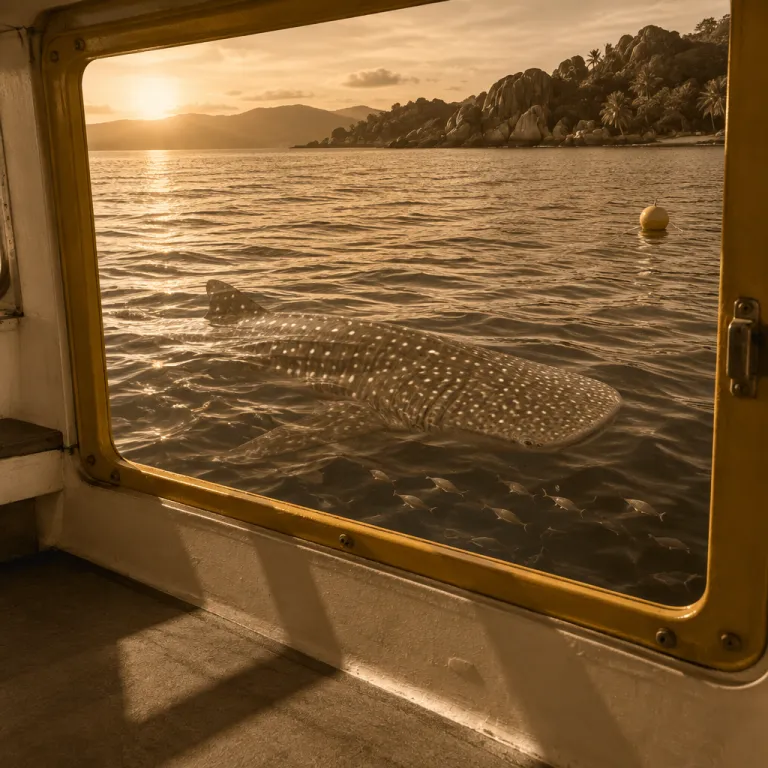
Why October is the moment for whale shark diving in Seychelles
October is the month when whale shark diving in Seychelles moves from hopeful to highly probable. As the Southeast Trade winds ease and the Northwest Monsoon has not yet taken over, plankton blooms thicken around the granitic inner island group and turn the water column into a moving buffet for the largest fish in the ocean. This is the best time for a solo traveler to plan a dive or snorkel tour from Mahé Island if meeting whale sharks is the quiet obsession behind the trip.
The highest probability area sits about 10 kilometres southwest of Mahé, where Shark Bank rises from the Indian Ocean at 25 to 40 metres and concentrates marine life in a way that feels almost architectural. Here, diving whale enthusiasts work the blue water above the reef while licensed guides scan for the shadow of a single whale shark or sometimes several sharks moving slowly through clear waters. Willy's Rocks is the secondary option for a dive in this zone, but Shark Bank remains the reference point for every serious dive center and for Atoll Divers, who are among the conservation minded operators recommended by the Marine Conservation Society Seychelles.
For you as a guest, this means timing your stay on Mahé Island with precision and accepting that even in the best time window, nature keeps the final word. Sighting rates above seventy percent in October are impressive, yet every tour still carries the possibility that the whale sharks will not appear and that your day becomes a classic reef dive instead. That honesty is part of responsible whale shark diving in Seychelles, and the better resorts on the coast of Mahé now brief guests clearly about the chance to swim with these animals rather than selling guaranteed encounters.
Snorkel or scuba: choosing your way to meet the largest fish
Most visitors do not need a scuba diving certification to enjoy whale shark diving in Seychelles because the actual encounter usually happens at the surface. Operators position the boat ahead of the shark, then you slide into the ocean and swim alongside the animal while it filters plankton, with the reef and dive sites far below. This style of swimming with whale sharks suits confident swimmers who are comfortable in open water but may never have worn a tank.
If you already dive Seychelles regularly or plan to, a two tank trip to Shark Bank or Willy's Rocks lets you combine a deep reef dive with a surface interval dedicated to spotting whale sharks. The first dive might focus on marine life such as schooling barracuda, rays and reef sharks, while the second dive becomes a flexible drift where the guide is ready to end the bottom time early if a whale shark appears near the surface. Either way, the dive center will brief you on how to swim with a whale without crowding it, how to keep at least three metres from the body and four metres from the tail, and why flash photography is discouraged.
Snorkel only guests often base themselves near Beau Vallon on the northwest coast of Mahé Island, where Vallon Bay offers a sheltered beach and quick boat access to the offshore islands and banks. Here you can join a small group tour that combines a relaxed reef swim with a focused search for whale sharks in the blue water beyond the bay. If you are unsure whether you prefer swimming whale encounters or a full scuba diving day, talk to the dive center team about your comfort level and they will usually suggest a mixed itinerary that keeps options open.
Where to stay on Mahé for serious whale shark diving
For a focused whale shark diving Seychelles trip, Mahé Island is not just a transit hub but the base that makes sense. The coast of Mahé offers a string of luxury and premium properties, from hillside suites above Beau Vallon to low rise villas that open directly onto the sand, and the best of them understand that guests now choose a resort as much for its marine access as for its pool. When you compare hotels, look beyond the spa menu and ask which dive center they partner with for Shark Bank and other offshore dive sites.
On the northwest coast of Mahé, Beau Vallon remains the most practical area if you want to roll from breakfast to boat in under fifteen minutes. Several high end resorts here work closely with Atoll Divers and other established operators, giving you a seamless path from your room to the dive boat without sacrificing the quiet of a proper beach stay. Vallon Bay itself is not where you will meet whale sharks, but it is where you will board the boat that takes you out past the islands and into the clear waters where your chance to swim with them becomes real.
Solo travelers who prefer a more discreet address sometimes choose smaller luxury properties on the quieter stretches of the coast of Mahé, then arrange transfers to Beau Vallon for early morning departures. This adds a little time to each tour day, yet it lets you sleep away from the busier beach while still keeping Shark Bank within easy reach. If your Seychelles itinerary also includes La Digue or Praslin, consider starting with two or three nights on Mahé dedicated to whale shark diving, then shifting to slower island time later, perhaps with a bicycle based stay on La Digue as described in this slow guide to the island where no car belongs.
Reading a resort through its dive partnerships
When a resort takes marine life seriously, you feel it in the way the concierge talks about the ocean. They will know the best time of day for a Shark Bank run, the difference between a calm inter monsoon morning and a windy afternoon, and whether the dive center they recommend has a track record with the Marine Conservation Society Seychelles. Ask directly which operators they use for diving whale trips and whether those boats follow the monitoring protocols set by the Seychelles Islands Foundation.
Atoll Divers and Zubu Diving are both cited by conservation groups as responsible partners, and that matters when your goal is to swim with whale sharks without contributing to harassment. A good dive center will cap group sizes, brief guests on how to swim whale encounters correctly, and log every sighting with the monitoring teams that track individual sharks across seasons. This is where a premium hotel can add real value, by filtering the options and steering you toward operators who treat the largest fish in the sea as wildlife, not as props.
Back on land, the same attention to detail should extend to how the resort frames its other experiences, from reef friendly sunscreen in the rooms to menus that highlight local fish without overpressuring vulnerable species. If you care as much about what is on your plate as what you see underwater, read this piece on how Seychelles resorts turned dining into a competitive sport and then choose a property that balances culinary ambition with marine responsibility. The best hotels on Mahé Island now understand that a guest who comes for whale shark diving in Seychelles will also ask hard questions about sustainability, and they are starting to welcome that scrutiny.
How responsible operators run whale shark tours off Mahé
Out on Shark Bank, the choreography of a responsible whale shark tour looks deceptively simple. The skipper idles upwind of the shark, the guide slides in first to check the animal's direction, and only then does the rest of the group enter the water in twos or threes to keep the scene calm. You swim parallel to the whale shark, never in front of it, letting the largest fish set the pace while you keep a respectful distance and remember that this is its reef, not your private pool.
Marine Conservation Society Seychelles and the Seychelles Islands Foundation have spent years refining codes of conduct that now shape how serious operators behave around whale sharks. Boats limit the number of swimmers in the water at any one time, avoid repeated drops on the same shark, and log each encounter with photographs that help identify individual sharks by their spot patterns. This monitoring work turns every tour into a small data point in a larger picture of how whale sharks use the Indian Ocean around the inner islands, from the coast of Mahé to the more remote banks.
For you, the guest, the etiquette is straightforward yet non negotiable and your dive center should make that clear before you leave Beau Vallon. No touching, no flash, no freediving down to chase the shark, and no blocking its path, even if that means your chance to swim lasts only a few minutes before the animal sinks back into the blue. If you want more time in the water that day, ask your guide to shift the focus to nearby reef dive sites or to a relaxed snorkel over coral gardens, which you can plan in detail using this guide to snorkeling in Seychelles without a dive licence.
Managing expectations when the ocean writes the script
Even in October, when sighting rates for whale sharks off Mahé are above seventy percent, no operator can promise you a shark. Some days the plankton lines drift just off the usual routes, the sharks feed deeper, and your carefully planned whale shark diving Seychelles day becomes a classic Indian Ocean dive with rays, turtles and reef sharks instead. The best guides will tell you this upfront, framing the tour as a search rather than a guarantee, and that honesty is the mark of a serious dive center.
Think of your booking as a chance to spend time in one of the richest marine life corridors in the region, with the possibility of a whale shark encounter layered on top. If the sharks do not show, you still log a dive on Shark Bank, a site many divers rate among the best in the islands for sheer biomass and drama. Clear waters, granite pinnacles, schooling fish and the sense of hovering above a submerged island make the day worthwhile even without swimming whale encounters.
When the whale sharks do appear, the moment is brief and intense, and you will be grateful for every metre you swam in the pool beforehand. A slow, steady swim whale pace keeps you alongside the shark longer than frantic kicking, and your guide will often signal when it is time to peel away and let the next pair enter the water. Back on the boat, the team logs the sighting, shares images with the monitoring programmes and quietly resets expectations for the next dive, because no two days on the coast of Mahé are ever the same.
Designing a solo itinerary around Shark Bank and beyond
For a solo explorer, the sweet spot is usually five to seven nights on Mahé Island with two or three days earmarked for whale shark focused diving. Build your stay around Beau Vallon or another well connected beach on the northwest coast of Mahé, where you can walk from your resort to the dive center and still find a quiet corner of sand to decompress after each tour. This gives you enough time to catch a good weather window, repeat Shark Bank if the first day brings no sharks, and still enjoy classic reef dives on other islands and banks.
On non diving days, you can trade fins for hiking shoes and explore the island's granite spine, then return to the coast in time for a late swim as the light softens over Vallon Bay. The contrast between the forested interior and the marine life offshore is part of what makes Seychelles feel larger than its map size, and it keeps the trip from becoming a single issue pilgrimage. If you feel the pull of slower islands, you can always add a few nights on Praslin or La Digue after your Mahé window, knowing that the best time and place for whale shark encounters remains the Shark Bank area.
When you book, pay attention to cancellation policies and how flexible the dive center is about shifting a whale shark tour if the forecast changes. A good operator will work with you to move the dive to a calmer day, suggest alternative dive sites when visibility drops, and be honest if the plankton lines have shifted away from the usual routes. In the end, your memory of whale shark diving in Seychelles will be shaped as much by that transparent communication as by the minutes you spent swimming alongside the largest fish in the sea.
FAQ
What is the best time of year to see whale sharks off Mahé ?
The main season for whale sharks around Mahé runs from October to February, following the inter monsoon transition that concentrates plankton near the inner islands. October stands out as the single best month, with confirmed sighting rates above seventy percent at sites such as Shark Bank. Outside this window, encounters are possible but far less reliable, so plan your trip around October if whale shark diving in Seychelles is your priority.
Do I need to be a certified diver to swim with whale sharks ?
You do not need a scuba certification to join most whale shark tours off Mahé because encounters usually happen at the surface. Operators drop snorkelers ahead of the shark, and you swim alongside it while it feeds near the top few metres of the water column. Certification is only required if you want to combine the encounter with deeper reef dives on Shark Bank or other offshore sites.
Which part of Mahé is best for whale shark diving logistics ?
The northwest coast of Mahé, especially the Beau Vallon and Vallon Bay area, offers the most convenient base for whale shark focused trips. Many established dive centers and conservation minded operators run boats from this side of the island to Shark Bank, which lies about ten kilometres offshore. Staying in a resort near Beau Vallon reduces transfer time to the boat and gives you flexibility to reschedule if weather conditions change.
How can I choose a responsible operator for whale shark tours ?
Look for dive centers that work with the Marine Conservation Society Seychelles and follow the monitoring protocols used by the Seychelles Islands Foundation. Conservation minded operators such as Atoll Divers and Zubu Diving limit group sizes, brief guests thoroughly on no touch rules and distance, and log each sighting with photographs for research. Your hotel concierge should be able to confirm which partners follow these standards rather than chasing quick, crowded encounters.
Is seeing a whale shark guaranteed during the season ?
No operator can guarantee a whale shark encounter, even in peak October when sighting rates are high. Some days the sharks feed deeper or away from the usual plankton lines, and your tour may become a classic reef dive instead. A trustworthy dive center will explain this clearly before you book and frame the trip as a search in rich marine life rather than a guaranteed show.