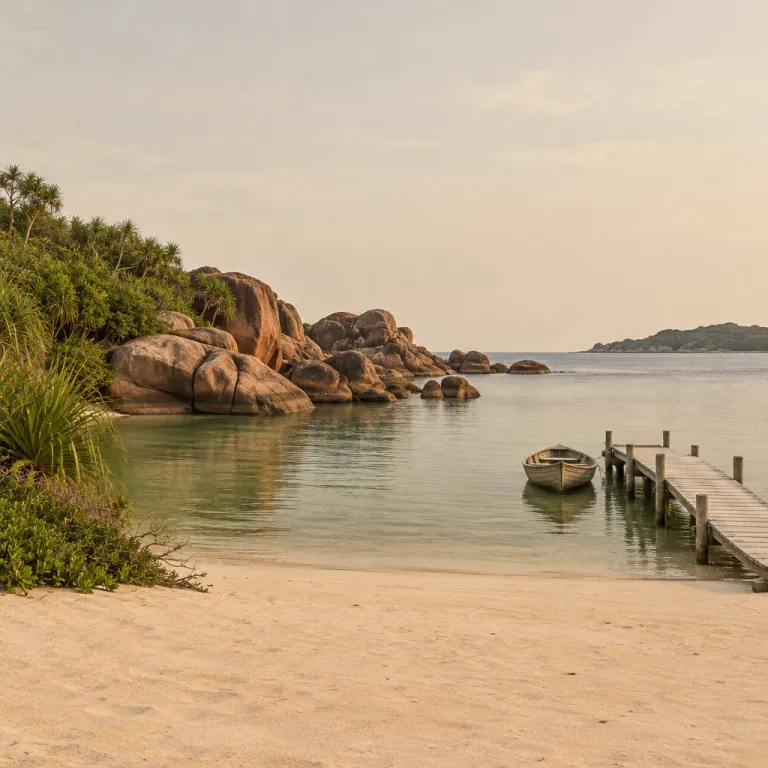
Why Cousin Island inspires refined Seychelles escapes
Cousin Island in Seychelles is a strictly protected nature reserve that feels quietly exclusive. This small granitic island offers a sense of seclusion that many luxury travellers associate with intimate island retreats. When you plan a premium stay in Seychelles, understanding how Cousin Island shapes expectations of privacy, personalised service and close-up nature access helps you choose the right hotel or resort base.
Instead of pine forests and rocky coves, Cousin Island presents granite boulders, dense coastal woodland and a luminous lagoon. The atmosphere, however, still centres on quiet paths, uncrowded beaches and unhurried wildlife encounters. High-end properties on nearby islands such as Praslin and Mahé now design experiences that echo this contemplative rhythm, with shaded walkways, small-group excursions and spaces where you can simply sit and listen to the sea.
Travellers who value easy access to water and nature often arrive with clear expectations: short walks to the shore, minimal visual intrusion from infrastructure and a feeling that the landscape, not the buildings, sets the tone. On Cousin Island you will not find a power station or industrial jetty on the shoreline, only nesting seabirds, turtle tracks and protected habitats instead. That contrast between industrial power and natural power is central to how Seychelles hotels curate low-impact excursions that still feel indulgent.
Choosing Seychelles luxury hotels with Cousin Island in mind
People who have stayed on small, low-key islands elsewhere usually value simplicity, silence and direct contact with the sea. When browsing Seychelles luxury hotels for refined island stays in the Indian Ocean, look for properties that translate that same understated elegance into spacious suites, generous balconies and calm shared areas. A useful benchmark is whether you could imagine quietly watching the water for an hour from your terrace without feeling rushed or overlooked.
High-end resorts on Mahé and Praslin increasingly design their grounds like a network of gentle trails rather than a rigid grid of corridors. Curving paths, pockets of shade and viewpoints over the reef encourage guests to wander at their own pace. In Seychelles, this layout lets you move from spa to pool to shoreline with the relaxed rhythm you would use on a coastal nature walk, reinforcing the sense that the resort is part of the landscape rather than imposed on it.
When comparing properties, pay close attention to how each hotel manages transportation to nature reserves such as Cousin Island. A reliable transfer partner or in-house excursion team that can coordinate boat crossings, permits and timings signals that the hotel understands logistics as well as it understands service. Many upscale resorts on Praslin, for example, work with licensed skippers based at Cote d’Or or Baie Sainte Anne to run small-group launches, turning the short sea journey into a comfortable prelude to the island visit. Some properties, such as Raffles Seychelles on Praslin or Constance Lemuria, highlight conservation-focused outings to nearby marine reserves in their guest programmes, illustrating the kind of integrated approach you can look for when choosing where to stay.
From ferry crossings to private launches: access as a luxury marker
On many coastal destinations, a short ferry ride becomes a small ritual that marks the transition from everyday life to island time. Seychelles hoteliers study that emotional shift carefully. They know that the moment you step onto a boat, watch the mainland recede and feel the breeze change, your pace begins to slow. The crossing to a protected reserve such as Cousin Island is therefore treated as part of the experience, not just a practical transfer.
In Seychelles, access may be by shared resort boat, scheduled excursion operated by a local charter company or a private launch arranged by your hotel. Luxury properties that specialise in refined island escapes in the Indian Ocean often treat this crossing as an experience in itself, with chilled drinks, attentive crew and clear views of each island silhouette on the horizon. The goal is to create a sense of quiet anticipation as the boat threads its way past smaller islets and shallow reefs towards the sanctuary of Cousin.
When evaluating a premium hotel, ask how they coordinate with any transport providers involved in your transfer. A property that manages timings as precisely as a well-run power plant manages its output will usually deliver smoother arrivals and departures. Look for details such as shaded waiting areas at the jetty, staff on hand to watch luggage, contingency plans for rough seas and flexible options if weather or sea conditions change suddenly, so that each stage of the journey feels seamless rather than stressful.
Nature, trails and beaches: translating Cousin Island calm to Seychelles
Many travellers who fall in love with Cousin Island cherish its modest network of trails and its unspoiled shoreline. Visitors typically follow a guided loop through coastal forest and along the beach, emerging at viewpoints where only the sound of waves, wind and seabirds breaks the silence. Seychelles reserves such as Cousin offer a carefully managed balance of guided access and strictly protected zones, and the best luxury hotels respect those limits while still creating memorable outings.
When you compare properties, examine how they structure guided walks, snorkelling trips and birdwatching excursions. A thoughtful hotel will limit group sizes, schedule visits to avoid the busiest times and ensure that guests stay on designated paths, just as responsible visitors do on marked trails in other fragile coastal environments. This approach protects nesting sites for species such as the Seychelles warbler and hawksbill turtle while giving you the same sense of intimacy you might feel on a quiet cove reached by a narrow forest path.
Beach access is another key factor, especially if you are used to small coves where each stretch of sand feels like a private pocket. In Seychelles, some resorts front long sweeping bays, while others sit beside compact arcs of sand that resemble sheltered inlets. If you value privacy, choose a property where you can walk a few minutes along a landscaped trail and arrive at a semi-secluded cove, rather than stepping straight onto a busy central beach shared with day visitors and passing boats.
Energy, sustainability and the quiet luxury of low impact stays
Travellers familiar with visible coastal infrastructure, such as the Wyman power station near Cousins Island in Maine, often think about how energy facilities shape a seascape. On that shoreline, the plant and its transmission lines remind you that modern comfort depends on complex systems, even in seemingly remote places. Seychelles faces a similar challenge, balancing the energy needs of luxury resorts with the desire to keep horizons free of heavy industry and to protect marine ecosystems.
High-end hotels that operate near sensitive reserves such as Cousin Island increasingly invest in quieter, cleaner technologies. Some properties use solar arrays tucked behind vegetation, energy-efficient cooling systems and careful water management to reduce their reliance on large-scale diesel generators. Public statements from Seychelles energy authorities indicate that renewables already contribute a growing share of the national grid, and several resorts report cutting electricity consumption per guest night through efficiency upgrades rather than relying solely on additional generation capacity. This discreet approach allows guests to enjoy the same sense of natural power they might feel on a windswept beach, without the visual presence of a major industrial plant.
When choosing where to stay, ask specific questions about energy use, water treatment and waste management. A serious property will share clear policies and measurable goals rather than vague promises, much as a well-regulated power plant must report its performance transparently. In practice, this might mean low-energy lighting along trails, desalination systems that minimise impact on marine life, on-site glass and food-waste recycling, and shuttle schedules that reduce the number of separate transfers operated by any transport company serving the resort.
Designing your Seychelles itinerary with Cousin Island sensibilities
Planning a Seychelles trip with Cousin Island in mind means valuing time, space and silence as much as amenities. Start by mapping how many nights you want on larger islands such as Mahé or Praslin, then how many days you wish to dedicate to nature-focused excursions including a guided visit to Cousin. This balance mirrors how many travellers split time between a main base with restaurants and shops and slower days on smaller islands where the focus is on walking, swimming and watching wildlife.
Think of each transfer as part of the experience rather than a gap between activities. Whether you move by road, by scheduled boat that feels like a small ferry or by private launch arranged through your hotel, the rhythm of these journeys shapes your perception of distance and remoteness. Leaving a busy resort on Mahé for the protected calm of Cousin Island resets your pace in the same way that a short crossing to a quieter offshore island does in other archipelagos around the world.
Finally, choose a hotel whose service philosophy aligns with the understated character of these small islands. Staff should give you space to watch the water, walk quiet trails and enjoy a simple moment on the sand without constant interruption. As one Praslin-based manager explained when describing why guests return after visiting Cousin Island, “They come back wanting more silence, more birdsong and fewer decisions.” Properties that understand this mindset are more likely to curate a Seychelles stay that feels genuinely restorative rather than merely luxurious.
Key figures shaping luxury travel around Cousin Island and Seychelles
- Protected areas such as Cousin Island in Seychelles typically limit daily visitor numbers and require access by authorised boats and trained wardens, which keeps guided groups small and supports a more exclusive experience for high-end travellers (based on guidelines from Seychelles conservation organisations).
- In coastal regions of Maine in the United States, local ferry routes linking communities such as Yarmouth with Cousins Island and nearby Chebeague Island carry substantial seasonal passenger volumes, illustrating how short crossings can define the character of island tourism and influence expectations for similar boat transfers in Seychelles (reported by regional transportation agencies and operators).
- Energy facilities like the Wyman power station near Cumberland County are designed for large-scale electricity generation, highlighting the contrast between major industrial power plants and the smaller-scale, low-impact energy strategies now adopted by many Seychelles resorts (information from New England energy regulators and utility reports).
- Studies of island destinations indicate that travellers who prioritise trails, guided nature walks and quiet beach access often stay longer and spend more per day, a pattern mirrored in Seychelles luxury segments focused on marine reserves and bird sanctuaries such as Cousin Island (findings from tourism boards and academic research on sustainable travel).
FAQ about Cousin Island inspired Seychelles luxury stays
Is Cousin Island in Seychelles suitable for a day trip from a luxury hotel?
Cousin Island in Seychelles is typically visited as a guided day excursion from hotels on nearby islands such as Praslin. Luxury properties can arrange transfers with trusted boat operators and coordinate permits, as access is controlled to protect wildlife. This makes it an ideal nature-focused outing within a premium itinerary, especially for guests interested in conservation.
How does Cousin Island compare with island destinations in Maine and other regions?
Cousin Island in Seychelles shares the intimate scale and quiet atmosphere of small island retreats like Cousins Island or Chebeague Island in Maine, but the environment is tropical rather than temperate. You trade pine forests and rocky coves for coral reefs, warm water and granite headlands. The underlying appeal is similar, centred on calm, space and a strong sense of place shaped by conservation.
Which type of Seychelles hotel best matches the calm of Cousin Island?
Hotels that offer generous room sizes, direct beach access and easy routes to nature reserves tend to echo the relaxed feel associated with Cousin Island. Look for properties with landscaped trails, limited room counts, strong links to local conservation projects and attentive yet discreet service. These features recreate the unhurried rhythm of walking from a small jetty to a quiet stretch of sand with no crowds in sight.
Do Seychelles luxury resorts provide sustainable experiences around Cousin Island?
Many high-end resorts near Cousin Island work closely with conservation organisations to limit impact on local ecosystems. They often cap group sizes, use fuel-efficient boats, support research through visitor fees and brief guests on wildlife guidelines before each trip. Asking about energy use, water treatment and reef protection helps you choose properties whose practices align with the protected status of Cousin Island.
How important are transfers and transport companies for a Seychelles itinerary?
Transfers are central to a smooth Seychelles trip, especially when your plans include Cousin Island and other small islands. Reliable operators, whether hotel-based or independent, ensure that boat and road connections run on time and in comfort. Clear communication about pick-up points, luggage handling and weather contingencies is as crucial here as it is on well-run ferry routes in places like coastal Maine or other island regions.