Why the Seychelles turtle nesting season belongs on your luxury trip
The Seychelles turtle nesting season quietly reshapes these islands for half the year. Along the outer island arcs and the southern shores of Mahé, the sea becomes a highway for sea turtles returning to the same beaches where they once hatched. For families choosing a luxury stay, this is the moment when a polished resort can open directly onto living wildlife rather than just a pretty view.
Across the archipelago, turtle conservation is not an abstract idea but a daily practice on the sand. Conservation teams walk nesting sites at dawn, log each nest, and track different turtle species so that long term marine conservation data stays reliable. When a property invites guests to join, you step into that routine carefully, as a volunteer for a morning rather than a spectator demanding a show.
The focus during the main nesting season is usually on hawksbill turtles, which favour the Seychelles beaches with deep, soft sand and quick access to the sea. Green turtles also use some island shores, especially in more remote southern atolls, so you may hear your guide compare how each sea turtle chooses its nest and how many eggs they lay. For families, this context matters because children quickly understand that these critically endangered animals need more than admiration ; they need consistent conservation efforts.
Choosing the best time and the right island for turtle nesting
For hawksbill turtles, the Seychelles turtle nesting season runs across the warmer months, with hawksbill nesting particularly active from October to March. Marine biologists working on Desroches and other islands consistently describe November to January as the best time for daylight turtle nesting encounters, when a hawksbill turtle may still be on the sand after sunrise. If your family wants a realistic chance to see sea turtles nesting without a late night, those months are the sweet spot.
Green turtles follow a slightly different rhythm, often nesting year round on certain remote beaches, so some islands in the southern Seychelles quietly host turtles nesting outside the classic peak season. On Mahé and around Mahé Seychelles, you are more likely to join guided walks that focus on turtle conservation signs, old nests, and tracks rather than guaranteed live nesting. That can still be powerful for children, who learn to read the beach like a storybook of wildlife and marine conservation clues.
When you plan your stay, match the island and resort to your family’s tolerance for early mornings, heat, and walking distance along the sand. A property with direct access to monitored nesting sites means less travel time and more time with the conservation équipe, which matters if you have younger guests. To align your travel dates with the wider climate and sea conditions, pair your nesting season research with a guide to the best month to visit Seychelles for a luxury island stay, then layer turtle nesting priorities on top.
Inside a family turtle patrol on Desroches Island
On Desroches Island, the Seychelles turtle nesting season becomes tangible the moment you meet the marine biologist at first light. Four Seasons Resort Seychelles at Desroches Island partners with the Island Conservation Society to monitor around 14 km of shoreline, and guests can join a Turtle Patrol that feels more like fieldwork than an excursion. Children are usually handed clipboards rather than props, and that small detail signals that this is real conservation, not theatre.
A typical patrol begins with a safety and ethics briefing before anyone steps onto the beaches where sea turtles may nest. Your guide explains how to walk behind a nesting sea turtle, why you must never stand in front of her path to the sea, and how red light is used at night to protect sensitive turtle species. Families quickly understand that the goal is to reduce disturbance so that hawksbill turtles and green turtles can lay eggs in peace while still allowing careful observation.
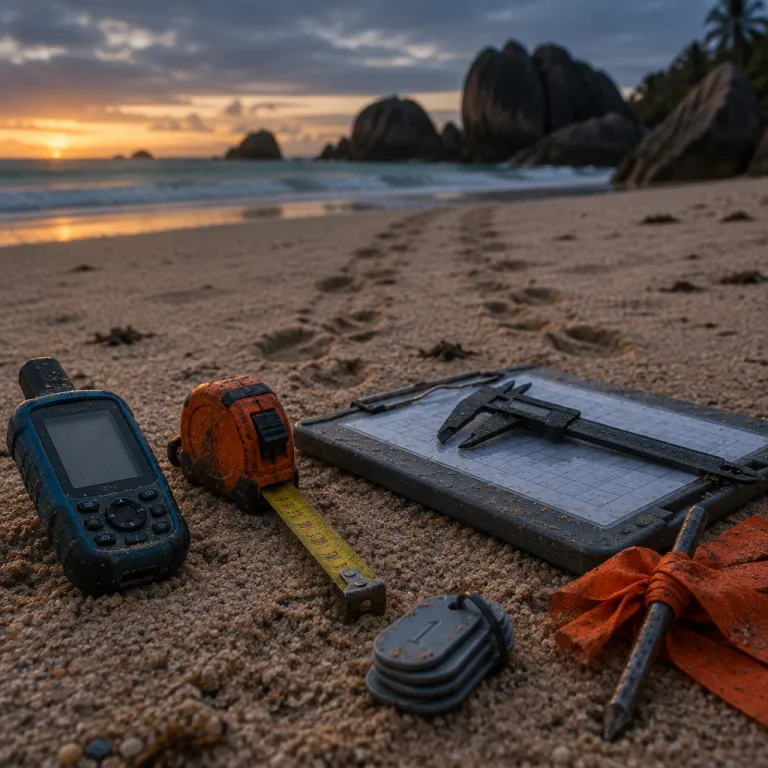
As you move along the sand, the team checks known nesting sites, reads fresh tracks, and sometimes finds a hawksbill turtle still digging or covering her nest. Guests help count tracks, log GPS positions of each nest, and note whether any sea turtle appears injured or stressed, which feeds into long term conservation efforts. Later in the Seychelles turtle nesting season, you may be invited to a nest excavation about ten days after emergence, when the biologist gently opens the nest to count hatched and unhatched eggs while children watch from a respectful distance.
During the patrol, the difference between hawksbill turtles and green turtles becomes a living lesson rather than a diagram. The hawksbill turtle has a sharply pointed beak and often nests higher up the beach, while green turtles tend to be larger with a more rounded head and may choose slightly different sites. For families, seeing both turtle species or even just their tracks helps anchor abstract ideas about marine conservation in something they can literally touch and measure.
Because incubation lasts roughly seventy days, the Seychelles turtle nesting season on Desroches overlaps with multiple generations of nests at different stages. Conservation volunteering opportunities for guests are structured so that even a short stay can intersect with at least one meaningful activity, whether that is a dawn patrol, a nest excavation, or a talk on turtle conservation. To understand how these experiences fit into the broader tourism picture, it is worth reading an analysis of Seychellois tourism policies and people behind the paradise, then viewing your own visit as part of that long term story.
Ethical rules that turn guests into responsible volunteers
The most credible properties treat the Seychelles turtle nesting season as a privilege, not a sales hook. That means clear rules before you ever see a sea turtle, and a marine biologist or trained conservation volunteer leading every step. If a resort offers unaccompanied night walks or promises guaranteed turtles nesting on demand, take that as a warning sign rather than a perk.
On a well run patrol, guests are reminded to keep a generous distance, stay behind the turtle, and avoid flash photography at all times. Red light torches are used sparingly at night, and only when the biologist confirms that the sea turtle is not disturbed, because even small changes in behaviour can affect how and where she will nest. Children are usually positioned further back, with one adult between them and the turtle, so that excitement does not accidentally spill into the animal’s path.
Ethical programs also limit group size, which matters on narrow beaches and at sensitive nesting sites. A smaller group reduces noise, footprint impact on the sand, and the risk of trampling a hidden nest, while still allowing guests to feel involved in real turtle conservation work. Properties that take marine conservation seriously will often cap numbers even when demand is high, prioritising the welfare of critically endangered species over short term revenue.
Families should expect to sign up as volunteers rather than passive observers, even if the volunteering is light touch. You might help log data, count tracks, or assist with simple beach clean ups that remove plastic from the sea turtle corridor between the water and the vegetation line. This kind of conservation volunteering is carefully designed so that guests contribute without replacing qualified staff or distorting long term research.
When you evaluate a hotel’s offer, ask specific questions about who runs the program, how data is shared, and whether any part of the Seychelles turtle nesting season is restricted to protect the animals. Serious conservation efforts will reference recognised partners, clear protocols, and sometimes temporary closures of certain beaches when turtles nesting activity is especially intense. That level of transparency is a strong indicator that the property values wildlife and marine ecosystems as much as it values room revenue.
How to choose a luxury hotel that respects turtle conservation
For a premium family stay, the right property during the Seychelles turtle nesting season balances comfort with credible science. On Mahé Seychelles, some hillside resorts offer sweeping sea views and easy transfers, then partner with local NGOs for guided visits to nesting beaches on the quieter southern coast. This works well if you prefer a broader choice of restaurants and activities while still weaving in a focused turtle conservation experience.
On outer islands such as Desroches or Silhouette, the resort often sits directly behind key nesting sites, so the beach outside your villa doubles as a wildlife corridor. Here, the best time to book is when hawksbill nesting is at its peak, because you can step from breakfast to a patrol briefing in minutes. For a deeper sense of place, consider reading a detailed guide to Silhouette Island stays and their conservation context before you commit to a specific island.
When comparing options, look beyond generic mentions of nature Seychelles or marine conservation in marketing copy. Ask whether the hotel supports specific turtle species monitoring, how many kilometres of beaches are actively patrolled, and whether guests can attend nest excavations or data sharing sessions. Properties that can answer clearly usually have stronger relationships with conservation partners and more robust long term programs.
Families should also consider practicalities such as walking distances, shade on the beaches, and the time of day when patrols usually run. Younger guests may cope better with early morning walks on cooler sand, while teenagers might enjoy occasional night excursions if they understand the red light rules and the need for quiet. Matching your children’s energy to the rhythm of the nesting season will make the experience feel like an adventure rather than an obligation.
Finally, remember that the Seychelles turtle nesting season is only one part of a wider wildlife calendar that includes coral reef life, seabirds, and coastal forests. Choosing a hotel that integrates turtle conservation with broader conservation efforts allows your family to see how sea turtles, reefs, and beaches form one connected system. That holistic view is often what children carry home, long after the last nest has hatched and the tracks have washed away.
FAQ about joining a turtle patrol in the Seychelles
When is the best time to see turtles nesting in the Seychelles ?
The Seychelles turtle nesting season for hawksbill turtles runs roughly from October to March, with November to January offering the highest chance of daylight encounters. Green turtles may nest at different times on certain islands, sometimes year round on remote beaches. To maximise your chances, choose an island with monitored nesting sites and plan at least several days during the peak nesting season.
Can children safely join a turtle patrol during our stay ?
Children can usually join guided turtle patrols as long as they follow instructions and stay close to the marine biologist or guide. Ethical programs design the experience so younger guests help with simple tasks such as counting tracks or marking nest locations, without approaching the turtles too closely. Always confirm age guidelines with your hotel in advance, because walking distances and patrol times vary between islands.
What should we bring for a dawn or night turtle patrol ?
For a dawn patrol, bring light clothing, water, a hat, and reef safe sunscreen, plus closed shoes suitable for walking several kilometres on sand. For night activities, the team usually provides red light torches, so you should avoid bringing your own bright lights or using flash photography. A small notebook can help older children record wildlife observations, which reinforces the conservation focus of the experience.
How do I know if a hotel’s turtle program is genuinely ethical ?
Look for clear partnerships with recognised conservation organisations, limits on group size, and strict rules about distance, lighting, and guest behaviour around nesting turtles. Ethical hotels will emphasise data collection, long term monitoring, and protection of critically endangered species rather than promising guaranteed close up encounters. If a property cannot explain who manages its turtle conservation work or how information is shared with scientists, consider choosing another island or resort.
Can we help with conservation if we visit outside the main nesting season ?
Even outside the peak Seychelles turtle nesting season, many properties offer conservation volunteering activities such as beach clean ups, educational talks, and reef friendly snorkelling briefings. You may also join walks that focus on old nests, tracks, and other wildlife, which still support marine conservation by funding ongoing fieldwork. Supporting hotels and organisations with transparent conservation efforts helps protect sea turtles and their habitats year round.
References
Island Conservation Society ; Seychelles Islands Foundation ; Four Seasons Resort Seychelles at Desroches Island.