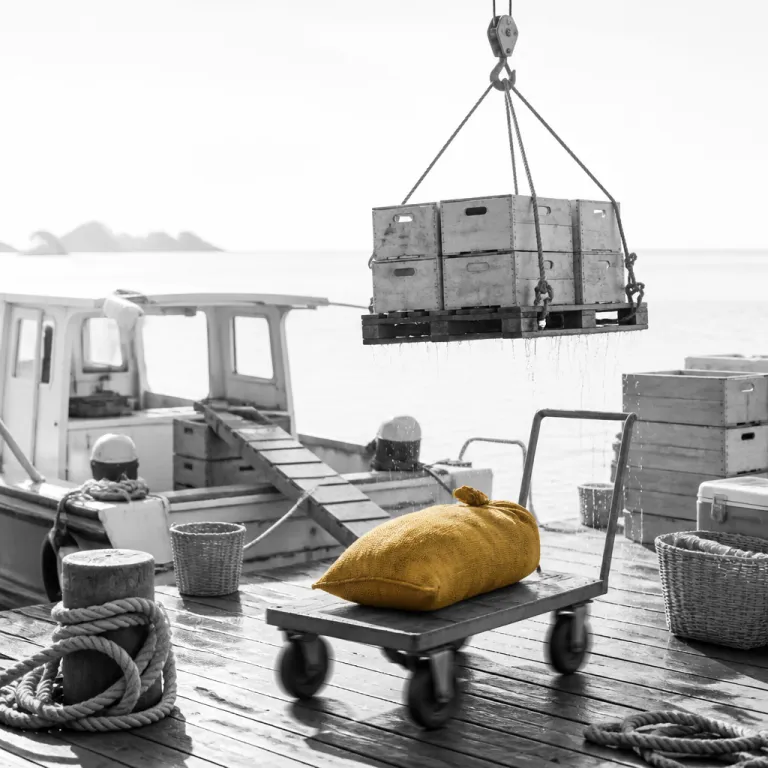
The real scale of Seychelles private island operations
Step off the boat at an island resort in Seychelles and the silence feels absolute. Behind that quiet, Seychelles private island operations run like a compact city, with power plants, desalination systems and waste facilities hidden behind palm and granite. On a typical private island, guests see only the infinity pool and the spa, not the generators, workshops and staff villages that keep the resort breathing.
Remote islands in the Indian Ocean cannot rely on mainland grids, so each private-island resort must generate or ship power, desalinate water and manage waste on site. Operators use a mix of diesel, solar and battery storage, with outer islands such as Desroches Island and Denis Island constantly refining their energy mix to reduce emissions while protecting fragile marine life. The Island Development Company (IDC), which manages infrastructure on 14 outer islands, summarises the challenge in its mandate for “sustainable development of the outer islands of Seychelles… balancing economic growth with environmental protection and tourism potential,” a principle that shapes how every new generator, jetty or staff house is planned, as outlined in IDC’s published corporate objectives (IDC Annual Report 2022).
For travellers booking ultra luxury resorts Seychelles wide, this hidden infrastructure is part of what you pay for, even if it never appears in the brochure. A Seychelles private island resort must import almost everything that cannot be grown locally, from fresh cuisine ingredients to spa linens and specialist engineering parts. When you compare an island stay in Seychelles with a mainland Mahé hotel, the price gap reflects not only exclusivity but the cost of running a self-sufficient island operation in the middle of the Indian Ocean, where a single replacement pump or chiller can cost several thousand euros once freight and duties are included, according to regional procurement managers interviewed for Seychelles Tourism Board trade briefings (STB Trade Update, 2023).
Logistics of isolation: boats, planes and the daily supply chain
Every plate of grilled fish, every chilled rosé and every scented spa oil on a private island in Seychelles has travelled farther than most guests. Supplies for luxury island resorts move through Victoria’s New Port on Mahé, then on to boats or small aircraft that fan out across the islands. Logistics specialists such as Kimbo Logistics coordinate freight and customs so that resort Seychelles kitchens never run out of fresh produce or champagne.
Heavier items for Seychelles private island operations, such as building materials, fuel and large equipment, usually arrive by ship, then transfer to barges or landing craft that can handle shallow coral shelves. On outer islands like Desroches Island, Bird Island and Denis Island, timing is everything because swells, tides and wind can close a jetty for days, forcing resorts to hold significant buffer stocks. Lighter, high value goods for ultra luxury villas, from rare wines to medical supplies, often come by plane, using airstrips managed by the Island Development Company to keep the flow steady; a hop from Mahé to an outer island typically takes 30 to 40 minutes, with scheduled freight flights running several times a week in high season, according to IDC air operations summaries (IDC Flight Operations Note, 2022).
For guests, the only visible sign of this choreography might be a supply boat glimpsed from the north beach while you plan your next travel day between spa appointments and reef snorkelling. Yet the resort’s hospitality équipe has already mapped menus, housekeeping and activities around delivery schedules, ensuring the best cuisine and seamless service even when a shipment is delayed. One general manager describes it as “running a small cruise ship that never leaves the bay,” and when you weigh Seychelles versus Maldives for your next luxury escape, this supply chain resilience is one reason many travellers find island resorts in Seychelles feel both intimate and reassuringly well provisioned.
The people behind the privacy: staff villages and service ratios
Total seclusion on a private island is a labour intensive illusion. Behind the guest villas, staff villages house chefs, gardeners, marine biologists, butlers and maintenance teams who keep Seychelles private island operations running around the clock. On many private islands, the staff to guest ratio can reach three staff per guest, a level that allows personalised hospitality without visible fuss; industry benchmarks for ultra luxury island resorts in Seychelles and the wider Indian Ocean often cite ratios between 2.5:1 and 4:1, depending on season and villa occupancy.
At Fregate Island, which is reopening after a multi year rebuild with just 14 villas and 3 estates, that ratio will feel even more pronounced because each estate functions like a standalone island resort. The expanded Plantation House, with its cigar lounge, distillery and one of the region’s largest wine cellars, demands a specialised équipe of sommeliers, mixologists and cellar managers who work largely out of sight. Similar patterns appear on North Island and Desroches Island, where butlers, private chefs and spa therapists rotate through villas so that guests experience effortless luxury while staff commute between the staff village and the shoreline.
For couples booking a private island stay, it helps to understand that this human infrastructure is what makes genuine privacy possible. When you read about exclusivity and access in guides to the best private islands in Seychelles, such as analyses of the private island question and what is changing in Seychelles, that three to one staffing model is the quiet constant. It allows a resort Seychelles property to serve breakfast on a deserted north beach, arrange a marine life briefing with a biologist and still have an engineer on call if your plunge pool misbehaves, all without breaking the sense that you have the island almost entirely to yourselves.
Conservation as daily work: turtles, forests and fragile reefs
On the marketing page, conservation is a soft focus word next to a sea turtle icon. On the ground, conservation on a Seychelles private island is a structured, data driven operation that shapes how resorts build, light and landscape their properties. Organisations such as the Seychelles Islands Foundation work alongside resort teams to ensure that tourism growth does not overwhelm the islands’ ecosystems, providing scientific baselines and long term monitoring programmes for sensitive sites, as documented in SIF’s annual conservation reports (SIF Conservation Review, 2021).
Fregate maintains a dedicated conservation team for turtle nesting, reforestation and invasive species management, and their work influences everything from beach furniture placement to night time lighting. On Denis Island and Cousine Island, long term monitoring of bird colonies and marine life has led to strict controls on fishing, boat speeds and even where guests can walk unaccompanied along the shore. Bird Island, once known mainly for its seabird colonies, now balances a small island resort operation with habitat restoration, proving that a private island can host guests while still prioritising conservation outcomes and measurable biodiversity gains.
For travellers, this means that the best island resorts in Seychelles will sometimes say no to a request if it conflicts with turtle nesting or reef protection. Guests might be asked to dim villa lights during peak nesting, avoid certain north facing beaches at night or join guided rather than independent snorkelling, especially near sensitive coral. If you want to understand why these rules matter, detailed guides to snorkelling in Seychelles without a dive licence explain how reefs, fish and currents interact around outer islands, and why careful behaviour keeps both marine life and guests safe while supporting long term island conservation programmes.
Rebuild economics and the guest experience of seamless luxury
When a Seychelles private island closes for a full rebuild, the decision reflects both environmental responsibility and hard economics. Fregate Island’s five year transformation, with its new estates and expanded Plantation House, illustrates how costly it is to upgrade infrastructure, conservation facilities and guest spaces on a remote granite outcrop. Every beam, tile and solar panel must travel from Mahé or beyond, often via multiple vessels, before a single villa opens to guests, and project budgets for such overhauls routinely run into tens of millions of euros according to regional development consultants; one feasibility study for outer-island resorts in Seychelles, cited in a 2022 investment briefing, estimates that a full rebuild of a 20 key private island can exceed €40 million including utilities and staff housing.
Outer islands such as Desroches Island and Denis Island face similar pressures when they add ultra luxury villas or expand spa and wellness facilities. The new Royal Villa on Desroches, at more than 1 000 square metres with butler and private chef service, required not only construction but also upgrades to power, water and staff housing to support its private island promise. Denis private operations have invested in on site farming and fisheries to reduce freight loads, but they still rely on regular shipments for specialist items that keep the resort Seychelles level of comfort high, from medical equipment to high end kitchen technology.
From a guest perspective, all this complexity should feel invisible, replaced by a smooth, almost weightless experience of island Seychelles life. You wake to a breakfast of just baked bread and tropical fruit, spend the morning with a spa therapist or marine guide, then return to a villa turned down and cooled to the perfect temperature. Behind the jetty, however, Seychelles private island operations continue their quiet choreography of boats, planes, generators and conservation patrols, ensuring that the islands remain both habitable and magical for the next wave of travellers.
FAQ
How many people does it take to run a Seychelles private island resort ?
Running a private island resort in Seychelles typically requires several hundred staff for a few dozen guests. Industry data and operator interviews indicate that staff to guest ratios can reach around three staff per guest on high end private islands, covering roles from butlers and chefs to engineers and conservation officers. This scale allows resorts to offer highly personalised service while maintaining power, water, transport and environmental monitoring systems behind the scenes; a 2021 regional benchmarking survey for Indian Ocean island resorts reported average ratios between 2.5:1 and 3.8:1 for ultra luxury properties.
How are supplies delivered to remote island resorts in Seychelles ?
Supplies reach Seychelles island resorts through a combination of sea and air transport, usually routed via Victoria’s New Port on Mahé. Heavy goods such as fuel, construction materials and large equipment travel by ship and then by barge or landing craft to each island’s jetty. Lighter, time sensitive items, including medical supplies and premium food products, often arrive by small aircraft using airstrips managed by the Island Development Company, with freight runs typically scheduled at least once or twice a week depending on season and occupancy.
What conservation work happens on Seychelles private islands that guests rarely see ?
Behind the guest areas, conservation teams on private islands monitor turtle nesting, restore native forests and control invasive species that threaten local flora and fauna. On islands such as Fregate, Denis and Cousine, staff conduct regular surveys of bird populations and marine life, adjust lighting to protect hatchlings and manage waste to avoid polluting reefs. Organisations like the Seychelles Islands Foundation support these efforts with scientific expertise and long term environmental programmes that help private-island operators measure and report their impact, including annual turtle nesting counts and reef health indices.
Why are Seychelles private island stays more expensive than mainland resorts ?
Prices on private islands are higher because each resort must operate as a self sufficient micro destination with its own utilities, logistics and conservation programmes. Power generation, desalination, waste treatment and staff housing all sit within the island’s footprint, adding significant fixed costs that mainland hotels do not face. The need to ship or fly in most supplies, maintain high staff to guest ratios and invest in environmental protection further increases the cost of delivering seamless luxury; IDC infrastructure notes for outer islands highlight that fuel and freight alone can add 15 to 25 percent to operating costs compared with comparable mainland properties.
How should travellers prepare before booking a Seychelles private island ?
Travellers should book flights to Mahé well in advance and coordinate island transfers early, especially during peak seasons when boat and plane capacity is limited. It is wise to check transfer schedules against international arrivals, understand luggage restrictions on small aircraft and budget for separate transfer costs, which can add several hundred euros per person on remote outer islands. Guests should also familiarise themselves with each island’s conservation rules, such as turtle nesting guidelines and reef protection measures, to align their stay with local environmental priorities and avoid surprises when certain beaches, trails or snorkelling sites are temporarily restricted.