Why a Seychelles cooking class belongs in every luxury itinerary
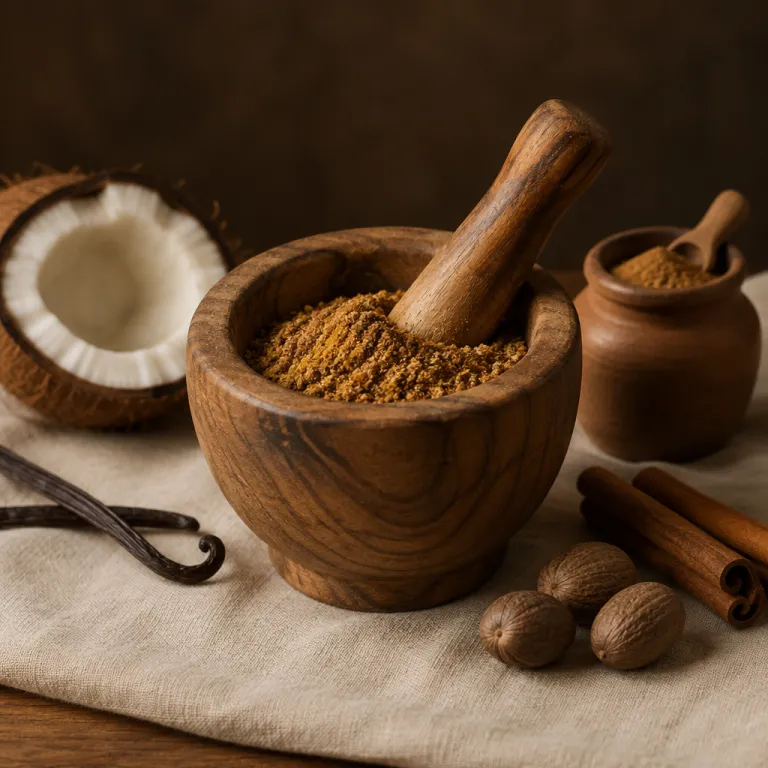
A Seychelles cooking class is the quiet opposite of a staged resort buffet. One moment you are in a polished hotel kitchen on Mahé Island, the next your hands are deep in a granite mortar, grinding chilli, garlic and ginger while rain moves across the forested slopes in slow sheets. That contrast between refined service and elemental nature is exactly where Creole cuisine reveals itself most clearly.
For luxury travelers used to tasting menus, a hands on cooking experience feels almost subversive. You trade starched linen for an apron, step away from the infinity pool view and into a room that smells of toasted curry leaves, smoked fish and fresh coconut. In that room adults and children learn secrets that no menu description can convey, from how long to roast cinnamon bark to the way lime cuts through the richness of coconut milk.
On stay-in-seychelles.com we see this pattern in guest reviews again and again. Families who book a Seychelles cooking class alongside their villa or connecting room for adults and children consistently rate the overall experience higher. When you select a destination and set clear dates, adding one or two cooking classes to a minimum stay of four or five nights on any inner island changes the rhythm of the day and anchors the trip in something more meaningful than another sunset cocktail.
Inside a Creole cooking class: from curry paste to ladob
The best Seychelles cooking class starts with the basics, and that means curry paste from scratch. You stand at a long counter while a local guide talks you through fresh ingredients laid out in small bowls, then you begin the slow work of pounding spices for proper Creole cooking rather than reaching for a jar. This is where you first understand how African, Asian and European influences fold together in Seychellois culture, long before the first taste of octopus salad or grilled fish.
Most structured cooking classes on Mahé Island or Praslin follow a similar arc. After the paste comes marination for fish or chicken, then a lesson in preparing classic Creole dishes such as octopus curry, coconut rich ladob and smoky aubergine salad that pairs beautifully with grilled fish caught that same morning. Along the way, your instructor will point out how Seychelles food uses cinnamon, nutmeg and cloves with a light hand, letting the nature of the seafood and vegetables lead.
Resort based classes tend to be shorter, often a half day session designed to fit between a spa appointment and a guided tour of the island, while independent schools or private home kitchens may offer a full day immersion that includes market visits and longer simmer times. For a deeper dive into how refined hotel dining reinterprets these same flavors, read this piece on Seychelles cuisine as a refined island journey for luxury hotel guests. Whether you choose a resort class or an independent kitchen, you leave with recipes, a sharper sense of Seychelles culture and the confidence to recreate at least a few Creole dishes back home.
Spice gardens and market mornings: where Creole flavors begin
To understand any Seychelles cooking class properly, you need to see where the flavors grow. On Mahé Island, spice gardens tucked into the hills above the coast offer guided tours through groves of cinnamon, vanilla, nutmeg and clove trees, with views that sweep down to bays where fishing boats still set out at first light. Walking these paths before your cooking experience connects the dots between the island’s volcanic soil, its humid microclimates and the intensity of Seychelles food.
Several luxury properties now weave spice garden visits into their cooking classes, especially on Mahé and Praslin where access is easy and the logistics are smooth for families. A typical full day program might start with a morning market tour in Victoria or on Praslin, where your guide helps you select fresh ingredients and explains how to judge the quality of tuna, snapper or octopus, then continue with a short transfer to a hillside garden for a sensory tour of living spices. Only after that do you return to a shaded outdoor kitchen, ready to turn those ingredients into Creole cuisine that reflects both land and sea.
Travelers who want to go deeper into the farm to table story should look at itineraries that combine a Seychelles cooking class with visits to working farms and smallholdings on Mahé Island and La Digue Island. For a detailed look at how chefs across the inner islands grow, catch and cook within a single morning, the article on the inner islands’ secret kitchens is essential reading. When you later sit down in your hotel room with a plate of grilled fish and breadfruit chips, you will taste that landscape in every bite.
Mahé, Praslin and La Digue: choosing the right island class
Each inner island offers a different angle on the Seychelles cooking class, and your choice should match how you like to travel. Mahé Island is best for structured cooking classes with polished facilities, easy transfers from luxury hotels and clear dates that align neatly with spa bookings or sailing excursions. Here, resort kitchens often host small groups in a dedicated room, with a maximum of six to eight participants so the guide can give each pair of hands proper attention.
On Praslin, the rhythm slows and the focus often shifts toward seafood and Creole dishes that lean heavily on the catch of the day. Independent instructors may host you in open air pavilions with a wide view over Anse Volbert or Côte d’Or, and the cooking experience can feel more like an extended family lunch than a formal class. La Digue Island, by contrast, is where you are most likely to find yourself in a family courtyard under a corrugated roof, learning how to clean fish, grate coconut and prepare ladob while bicycles clatter past the gate.
Whichever island you select as your base, pay attention to how the Seychelles cooking class is structured for room adults and for adults with children. Some hotels on Mahé and Praslin offer separate sessions for adults and children, while others encourage mixed groups where younger cooks handle safer tasks such as washing herbs or stirring coconut milk. For a sense of how food, music and fire come together in Seychellois culture beyond the kitchen, the feature on attending a moutya under the stars pairs beautifully with any cooking class on La Digue Island or Mahé.
Family friendly Creole cooking: from room adults to curious children
Premium families often ask whether a Seychelles cooking class really works with younger travelers, and the answer is yes when you choose carefully. Many luxury hotels now design cooking classes that welcome both room adults and children, with clear safety rules and tasks calibrated to different ages so that adults and children can share the same experience without stress. In these sessions, children might tear herbs, squeeze limes or help plate octopus salad, while adults handle knives, hot oil and the more technical parts of Creole cooking.
Look for programs that specify a minimum stay and schedule classes on a relaxed day rather than immediately after arrival, when jet lag can make even a short guided tour feel long. On Mahé Island, some properties bundle a Seychelles cooking class with a market visit and a short nature walk, turning the whole day into a gentle immersion in Seychelles culture that keeps children engaged. On Praslin and La Digue Island, where distances are shorter, families can often combine a morning on the beach with an afternoon cooking experience without feeling rushed.
When you book through a curated platform such as stay-in-seychelles.com, pay attention to reviews that mention how instructors interact with children and whether the cooking classes adapt to dietary preferences or allergies. Some hotels offer gift cards that can be used toward a Seychelles cooking class, which makes an elegant present for multi generational trips where grandparents want to treat the family to a shared activity. If you see a promo code linked to culinary experiences when you select a destination and enter clear dates, it is worth using it, because these classes often sell out quickly in peak seasons.
How to book the right Seychelles cooking class on a luxury stay
Booking a Seychelles cooking class is not just about filling an empty afternoon, it is about choosing the format that best matches your travel style. Start by deciding whether you prefer a resort based class with seamless logistics from your room to the kitchen, or an independent school that might require a short transfer but offers deeper immersion in local life. On Mahé Island, resort classes are ideal for travelers who value convenience, while independent options on Praslin or La Digue Island often appeal to guests who want to explore beyond the hotel gates.
When you select a destination and set clear dates on a booking platform, look for filters or notes that highlight cooking classes, Creole cuisine workshops or Seychelles food experiences. Pay attention to whether the Seychelles cooking class is described as a half day or full day activity, and whether it includes a market tour, spice garden visit or guided tour of nearby farms, because these elements add context and value. Some properties offer flexible minimum stay requirements that bundle a cooking experience with other cultural activities, which can be excellent value for families planning longer trips.
Reviews are your best ally here, especially those that mention specific Creole dishes, the quality of fresh ingredients and how much hands on time guests actually had during the cooking experience. If a hotel or school offers digital gift cards or a seasonal promo code for culinary activities, consider securing your spot early, particularly during school holidays when demand from adults and children spikes. In the end, the right Seychelles cooking class will leave you with more than recipes, it will give you a sensory map of the islands that lingers long after you have checked out of your room and flown home across the Indian Ocean.
Key figures for Seychelles culinary travel
- According to the Seychelles Tourism Board, more than 60 percent of visitors now cite food and culture as a primary reason for travel, a sharp rise compared with a decade ago when beach and nature dominated motivations.
- Data from the Seychelles National Bureau of Statistics shows that average length of stay for visitors who book at least one organized cultural activity, such as a Seychelles cooking class or guided tour, is approximately 2 nights longer than for purely leisure focused stays.
- Internal booking analyses from several major luxury hotel groups in the Indian Ocean indicate that properties offering structured cooking classes report up to 25 percent higher guest satisfaction scores in post stay reviews related to dining and local experience.
- Market research by Euromonitor International on experiential travel in the Indian Ocean region notes that family bookings for culinary activities, including cooking classes suitable for adults and children, have grown by more than 30 percent over the last five years.
- UNESCO and regional cultural bodies highlight that Creole culture in the Seychelles, including food traditions and music such as moutya, is a key intangible heritage asset, reinforcing the value of immersive experiences like Creole cooking workshops for visitors.
FAQ about Seychelles cooking classes and spice garden visits
Are Seychelles cooking classes suitable for children ?
Many Seychelles cooking classes are designed for families and welcome both adults and children, with tasks adapted to different ages. Children usually handle safer activities such as washing herbs, stirring coconut milk or helping to plate dishes, while adults manage knives and hot pans. Always check age guidelines and safety policies in advance, especially if you are booking through a hotel on Mahé Island, Praslin or La Digue Island.
What dishes will I typically learn in a Creole cooking class ?
A standard Seychelles cooking class usually covers at least one curry made from freshly ground paste, often fish or octopus, alongside a salad such as octopus salad or green papaya salad. Many classes also include ladob, either sweet with banana and coconut milk or savory with breadfruit, plus grilled fish rubbed with spices and herbs. Instructors often add a dessert or snack so you finish the cooking experience with a full Creole meal.
Should I choose a resort based class or an independent cooking school ?
Resort based classes offer convenience, polished facilities and easy scheduling around other activities, which suits many luxury travelers and families. Independent cooking schools or home kitchens often provide deeper immersion in local culture, more direct interaction with Seychellois hosts and sometimes better access to markets or spice gardens. Your choice depends on whether you prioritize seamless logistics from your room or a more off script experience that may require extra transfers.
Do Seychelles cooking classes include market or spice garden visits ?
Some Seychelles cooking classes, especially full day programs on Mahé Island and Praslin, include a morning market visit or a guided tour of a spice garden before the actual cooking. These additions help you understand how fresh ingredients are sourced and how cinnamon, vanilla, nutmeg and cloves grow in the local climate. When comparing options, look for detailed descriptions that mention markets, gardens or farm visits if you want that extra layer of context.
How far in advance should I book a Seychelles cooking class ?
For peak travel periods, it is wise to book a Seychelles cooking class at least several weeks before arrival, especially if you are traveling with children or a larger family group. Classes with limited group sizes or those that include market tours and spice garden visits tend to sell out quickly. When you select a destination and enter clear dates on a booking platform, reserve your preferred cooking experience at the same time as your room to avoid disappointment.