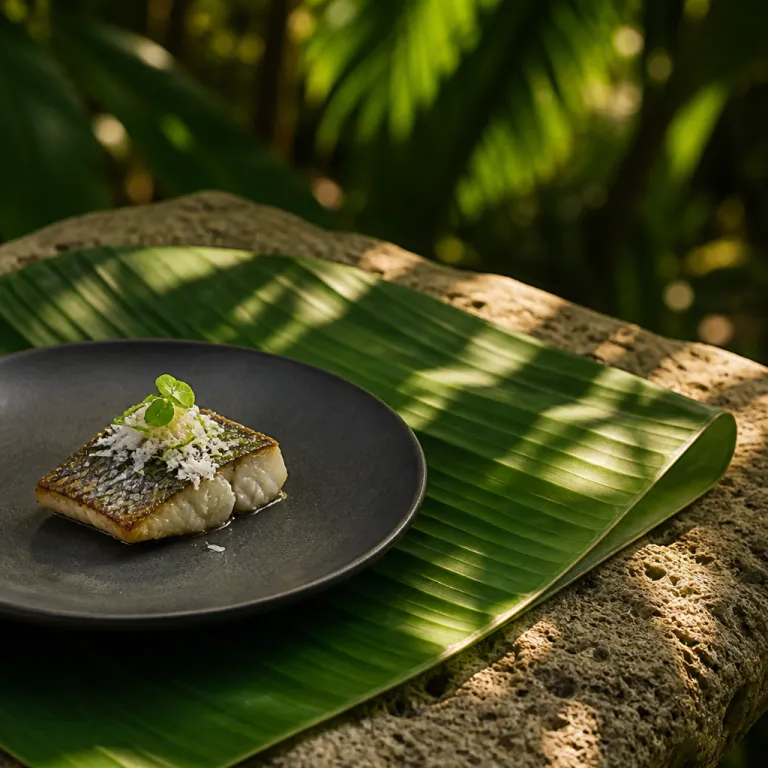
Seychelles cuisine as the signature experience of luxury island stays
Seychelles cuisine is not a side note to your stay; it is the central story that every luxury property now curates with care. On Mahé, Praslin, and La Digue, high-end resorts work closely with Seychellois people, local fishermen, and farmers so that every plate of food reflects the islands as a living cultural melting pot. In the Seychelles islands, refined menus turn Creole food traditions, fresh fish and seafood, and seasonal produce into elegant tasting journeys that match the level of your suite.
Across Seychelles, food in luxury hotels is shaped by a fusion of African, French, Indian, and Chinese influences that created today’s Seychellois cuisine. This Creole culinary heritage appears in slow-simmered curry sauces, coconut milk reductions, and dishes cooked in banana leaves, yet chefs present them with modern plating and wine pairings suitable for premium travellers. When you book a five-star property, expect Seychelles food concepts that move beyond buffets toward curated menus where each national dish or grilled fish recipe is introduced at your table.
On Mahé, many resorts near Victoria highlight Seychelles Creole traditions through themed evenings that still feel intimate and polished. At Constance Ephélia, for example, a Creole night might feature octopus curry with coconut milk, salted fish fritters, and breadfruit chips, all served with rice on elegant porcelain rather than rustic platters. As one local chef at Kempinski Seychelles Resort Baie Lazare explains, “We keep the flavours our grandmothers used, but we refine the textures and presentation for guests who expect fine dining.” These dishes cooked with garlic, ginger, fresh herbs, and local coconut show how Seychelles cuisine can be both deeply traditional and perfectly aligned with luxury expectations.
Culinary journeys from lagoon to plate in premium hotels
High-end properties across the Seychelles islands now design full culinary journeys that start at sea and end at your table. Guests may join local fishermen at dawn, learn how the day’s fish and seafood is selected, then watch chefs transform the catch into refined Creole food at a chef’s table dinner. This direct link between lagoon and plate gives Seychelles cuisine a sense of place that few destinations can match.
For travellers comparing luxury options, it is worth examining how each hotel handles Seychellois cuisine and Seychelles food storytelling. Some resorts offer dedicated “from lagoon to plate” experiences where grilled fish is cooked over coconut husk embers on the beach, while others focus on multi-course tasting menus that reinterpret the national dish and other traditional recipes. At Four Seasons Resort Seychelles on Mahé, for instance, guests can follow the journey of line-caught red snapper from the resort’s jetty to a plated main course, while Raffles Seychelles on Praslin is known for pairing lagoon-to-table menus with curated rum tastings.
In these curated experiences, Seychelles cuisine becomes a lens through which you understand the islands themselves. A chef might present octopus curry alongside coconut curry made with seasonal vegetables, explaining how African and Indian influences shaped Creole cuisine on each island. When such dishes are served with rice perfumed with garlic, ginger, and local herbs, the meal feels like a guided tour of Seychelles, not just a dinner in a hotel restaurant. One repeat guest at a Mahé resort described it as “tasting the tide, the trade winds, and the spice gardens in a single evening.”
How luxury hotels interpret Seychellois Creole heritage on the plate
Premium hotels in Seychelles treat Seychellois cuisine as cultural heritage, not just as food for hungry guests. Menus often reference Seychelles Creole history, from early African communities to later Indian traders, showing how this Creole melting of influences created today’s signature dishes. In Victoria on Mahé, for example, some hotel chefs collaborate with cultural associations and local historians to ensure that traditional cooking methods remain visible in modern kitchens.
Expect to see Creole cuisine classics such as octopus curry, salted fish stews, and coconut curry reimagined with fine-dining techniques. A national dish might arrive as a delicate tasting portion, with fish and seafood lightly cooked sous vide, then finished over charcoal to echo traditional grilled fish from beachside grills. At L’Escale Resort Marina & Spa near Victoria, chefs sometimes smoke tuna over cinnamon wood, while at Mango House Seychelles on Mahé’s south coast, coconut milk sauces are reduced to glossy jus, proving that Seychelles cuisine can stand proudly beside any global gastronomic tradition.
Travellers interested in the deeper story behind Seychelles food should seek hotels that frame dinner as a cultural narrative. Some properties provide small printed cards explaining how Seychelles Creole evolved as a melting pot of African, French, Indian, and Chinese influences, and why Creole food deserves international recognition. To understand this perspective in more depth before you book, consult analyses from the Seychelles Tourism Board and culinary writers that explain why Seychellois Creole cuisine deserves a seat at the world’s culinary table, then choose hotels that echo this respect in their menus.
Signature ingredients of Seychelles cuisine in luxury hotel menus
Every serious luxury kitchen in Seychelles builds its menus around a few signature ingredients that define Seychellois cuisine. Fresh fish, coconut, breadfruit, and rice appear constantly, yet the way they are cooked separates a simple meal from a refined culinary journey. When you read hotel menus online, look for how these staples are elevated rather than hidden under generic international dishes.
Fish and seafood is usually the star, whether served as grilled fish marinated with garlic and ginger, or as deep-fried bites paired with light Creole food relishes. Many chefs create tasting plates where salted fish, octopus curry, and coconut curry appear side by side, allowing guests to compare textures and spices in a single course. Coconut milk, often combined with local herbs and Indian-inspired masala, gives Seychelles cuisine its characteristic richness without overwhelming the freshness of the catch.
Starches also tell a story about Seychelles food traditions and the broader Creole melting of influences. Rice remains the default accompaniment, with many dishes served with rice that has been steamed in coconut milk or scented with pandan leaves. Breadfruit appears roasted, mashed, or turned into crisp chips, reminding guests that Seychelles islands rely on both land and sea to shape their cuisine and that luxury cooking here still respects humble, traditional ingredients. According to guidance from the Seychelles Tourism Board, breadfruit and coconut are considered emblematic staples that hotels are encouraged to showcase in contemporary menus.
Immersive culinary activities for hotel guests across the islands
Luxury and premium hotels in Seychelles now treat cooking as an immersive activity rather than a backstage operation. Guests are invited into demonstration kitchens to learn a traditional recipe, from octopus curry to coconut curry, guided by Seychellois chefs who grew up with these flavours. Such classes turn Seychelles cuisine into a hands-on memory you can take home, not just a series of meals you forget after check-out.
Typical sessions begin with a walk through the hotel’s herb garden or a visit to nearby markets, where you see how local food systems support Seychelles food culture. Chefs explain how African, Indian, and European techniques merged into Creole cuisine, then show you how to balance garlic, ginger, chilli, and coconut milk in a proper curry base. You might learn how fish and seafood should be cleaned, marinated, and cooked, whether for grilled fish on banana leaves or for deep-fried bites served with rice and tangy chutneys.
Some properties extend these experiences beyond the kitchen into the lagoon and reef. Guests can join guided snorkelling trips that highlight the marine life later featured in Seychellois cuisine, then return for a tasting menu that respects sustainable fishing practices. At Six Senses Zil Pasyon on Félicité Island, for instance, sustainability briefings often accompany seafood dinners, and resort teams reference official reef conservation data when explaining why certain species are seasonal or off the menu. For a preview of how underwater life connects to food-focused Seychelles experiences, consult resources on snorkelling in Seychelles and understanding the reefs and fish before choosing a hotel that aligns with your values.
Planning your stay around Seychelles cuisine and seasonal flavours
When booking a luxury hotel in Seychelles, it pays to plan your stay around Seychelles cuisine and seasonal rhythms. While the islands welcome visitors all year, some months bring particular ingredients into focus, from certain fish runs to peak breadfruit harvests. Many hotels adjust menus accordingly, so your choice of dates can shape the dishes cooked for you.
February, for example, often coincides with specific seafood and fruit seasons that influence Seychelles food offerings in high-end resorts. According to Seychelles Tourism Board seasonal notes, the warmer months from December to March tend to favour species such as tuna and jobfish, while breadfruit is more abundant from roughly May to September, depending on rainfall. Chefs may highlight octopus curry, coconut curry with young vegetables, or grilled fish brushed with coconut milk and garlic, ginger, reflecting what is most abundant and sustainable. Asking your hotel about seasonal menus before you book ensures that your experience of Seychellois cuisine feels aligned with the natural calendar of the Seychelles islands.
It is also wise to consider how each property integrates local suppliers into its cuisine philosophy. Hotels that work closely with Seychellois people, small farms, and artisanal producers tend to offer more authentic Creole food, from salted fish appetisers to rice dishes served with traditional chutneys. This approach supports the local economy, preserves Creole cuisine heritage, and gives you a more meaningful connection to Seychelles as a living, breathing destination rather than a generic tropical backdrop. As one hotel manager in Victoria notes, “When our guests know the name of the farmer who grew their breadfruit, the meal becomes part of the island’s story, not just another resort dinner.”
How luxury hotel platforms curate culinary information for discerning travellers
Premium hotel booking websites focused on Seychelles increasingly highlight Seychelles cuisine as a core decision factor, not a minor amenity. Detailed restaurant descriptions, sample menus, and chef profiles help you compare how seriously each property treats Seychellois cuisine and Creole cuisine traditions. This level of transparency allows travellers to align their culinary expectations with the right hotel before committing to a reservation.
Look for platforms that describe specific dishes cooked on site, such as octopus curry, grilled fish with coconut milk, or deep-fried salted fish appetisers, rather than vague references to “international food”. Stronger listings explain whether Creole food is available daily, how often national dish interpretations appear, and whether rice and breadfruit sides are prepared using traditional cooking methods. Some sites even mention if classes are offered where guests can learn a recipe that uses garlic, ginger, local spices, and coconut, turning Seychelles food into a skill rather than a fleeting indulgence.
Trustworthy platforms also reference the broader cultural context that shapes food-focused Seychelles experiences. They may note that Seychelles is a cultural melting pot of African, French, Indian, and Chinese influences, echoing the idea of a Creole blending of traditions that underpins Seychelles Creole identity. As one official answer for visitors from the Seychelles Tourism Board states, “Octopus curry with coconut milk” is widely recognised as a popular Seychellois dish, and serious booking sites ensure that such emblematic flavours are clearly signposted in their hotel descriptions.
Key figures that shape luxury culinary travel in Seychelles
- Seychelles consists of 115 islands, which creates diverse micro-regions for Seychelles cuisine and allows luxury hotels on Mahé, Praslin, La Digue, and outer islands to highlight different fish, seafood, and agricultural products (source: Seychelles Tourism Board).
- The country welcomed around 330,000 visitors in 2023, meaning that Seychelles food served in hotels plays a major role in shaping global perceptions of Seychellois cuisine and Creole cuisine (source: Seychelles Tourism Board annual statistics 2023).
- Victoria on Mahé sits at approximately 4.6 degrees south and 55.4 degrees east, a tropical position that supports year-round coconut, breadfruit, and spice production essential to Creole food and traditional dishes cooked in luxury properties (source: geographic data from official mapping services).
FAQ about Seychelles cuisine in luxury and premium hotels
What is a popular Seychellois dish I should try in my hotel?
One widely recommended choice is octopus curry with coconut milk, which appears on many Seychelles cuisine menus in high-end resorts. This Seychellois cuisine classic is often served with rice and local vegetables or breadfruit, allowing you to taste both sea and land in a single plate. In luxury settings, chefs may refine the recipe with precise cooking times and elegant presentation, but the core Creole food flavours remain intact.
Is Seychellois cuisine very spicy in luxury properties?
Yes, it often includes chilli and spices, but premium hotels usually balance heat with accessibility. Chefs adjust the level of spice in Creole cuisine to suit international guests, often offering milder versions of curry dishes alongside traditional preparations. You can usually request more or less chilli, ensuring that Seychelles food remains enjoyable whether you love heat or prefer gentle flavours.
Are vegetarian or vegan options available in Seychelles hotels?
Yes, many dishes feature vegetables and fruits, and luxury properties take this seriously. Menus often include coconut curry with seasonal vegetables, rice dishes cooked with coconut milk, and salads built around local produce such as breadfruit and tropical greens. When booking, check that the hotel highlights Seychelles cuisine in plant-forward forms, not only fish and seafood or grilled fish specialities.
How can I experience authentic local food while staying in a luxury resort?
Choose hotels that emphasise Seychellois cuisine, Creole food nights, and collaborations with Seychellois people such as fishermen and farmers. Many properties organise visits to local markets, Creole festivals, or street food stalls, then reinterpret those flavours in refined dishes cooked back at the resort. Asking about octopus curry, salted fish appetisers, and other national dish variations is a good way to gauge how deeply a property engages with Seychelles food traditions.
Do I need to leave my hotel to taste real Seychelles Creole flavours?
Not necessarily, because many high-end resorts now treat Seychelles Creole as a central pillar of their culinary identity. On-site restaurants often feature dedicated Creole cuisine menus, cooking classes, and tasting flights of curry dishes that showcase garlic, ginger, coconut, and local spices. That said, combining these experiences with a visit to Victoria’s markets or a small Creole food stall will give you the fullest picture of Seychelles cuisine during your stay.