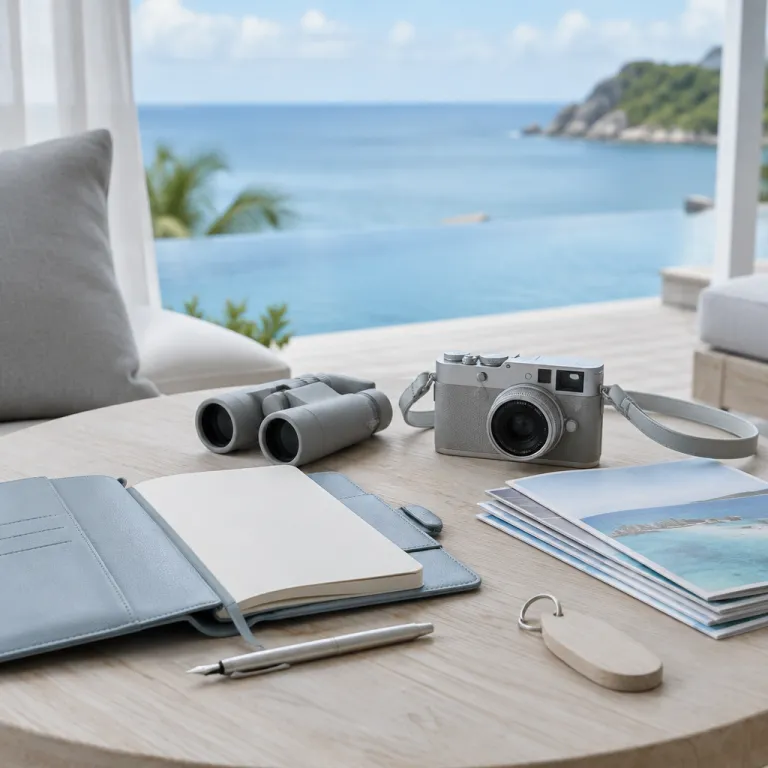
Understanding the Seychelles island location for luxury travellers
The Seychelles island location lies in the western Indian Ocean, northeast of Madagascar and east of mainland Africa. This island country forms an archipelago of 115 islands, scattered like emeralds across warm turquoise water. For luxury travellers, understanding how each island group and its microclimate differs is essential when planning a high-end stay.
The inner islands of Seychelles, including Mahé, Praslin and La Digue, are granitic and host most premium hotels and the capital city. These inner islands contrast with the low-lying coral islands of the outer group, where private island resorts offer extreme seclusion and slightly different weather patterns. When you compare the main islands and more remote atolls, you quickly see how geography and distance from Mahé shape every stay.
Mahé is the largest island and home to Victoria, the capital and the country’s largest city. Port Victoria is also the main cruise and yacht gateway, which matters if you plan multi-island itineraries. Many travellers choose a Mahé luxury base, then add outer or coral island extensions for a more remote experience.
The Seychelles government promotes high-value, low-impact tourism, which limits mass development on each island. This policy keeps many landscapes pristine, especially in national marine parks and protected reserves. For guests, that means fewer rooms, more privacy and higher service levels in luxury and premium hotels.
Historically, the Republic of Seychelles shifted between French and British control, and this dual heritage still shapes hotel culture. You will hear Seychellois Creole, English and standard French spoken in lobbies, spas and fine dining venues. The blend of African, Indian and European influences gives the country a cosmopolitan yet relaxed character.
When you book, pay attention to the trade winds that sweep the Indian Ocean around the archipelago. These winds influence sea conditions between March and May, then again around October and November. Understanding this seasonal rhythm helps you choose the right island and even the right side of each island for calm beaches.
Mahé and Victoria: capital Seychelles elegance for premium stays
Mahé is the main gateway to the Seychelles islands and the heart of the republic. The capital city of Victoria sits on its northeastern coast, close to the international airport and Port Victoria. For travellers who value easy logistics and refined urban comforts, this island is the natural starting point.
Victoria is both the political centre and the largest settlement, yet it remains walkable and human in scale. Luxury hotels on Mahé often position themselves within a 20–40 minute drive of the port, balancing seclusion with access to restaurants and cultural sites. This proximity makes it simple to arrange private yacht charters, helicopter transfers and national park excursions.
On Mahé’s west coast, premium properties take full advantage of the open Indian Ocean views. One elegant oceanfront escape is highlighted in this guide to an oceanfront resort on Mahé’s west coast, where sunsets and trade winds define the mood. These hotels often feature long crescents of sand, framed by granite boulders and lush tropical vegetation.
Mahé also offers access to several national attractions, including Morne Seychellois National Park. From higher viewpoints, you can appreciate how the inner islands cluster close together within the wider archipelago. This geography makes day trips to nearby islands such as Sainte Anne or Cerf Island both practical and rewarding.
In Victoria, you will notice the legacy of French and British rule in the architecture and street names. Government buildings, the national museum and the clocktower all reflect this early 20th-century colonial past. Today, the Seychelles government and the office of the president operate from here, giving the city a formal yet relaxed administrative character.
For premium hotel bookings, Mahé offers the widest range of room categories and suites in the country. Many properties feature dedicated concierges who speak English, French and Creole, which simplifies complex itineraries. If you want to combine city access, beaches and onward flights to outer islands, Mahé remains the most strategic island.
Praslin, Anse Lazio and Anse Georgette: island icons for refined escapes
Praslin lies about 45 kilometres northeast of Mahé, firmly anchoring the inner islands cluster. This island is smaller and quieter than Mahé, yet it hosts some of the country’s most celebrated beaches. For travellers focused on scenery and serenity, Praslin often becomes the preferred base.
Two names dominate conversations about Praslin beaches, Anse Lazio and Anse Georgette, both framed by sculpted granite and clear Indian Ocean water. Luxury and premium hotels either sit directly on these coves or operate seamless transfers for their guests. When you compare different bays and headlands, these two anse locations consistently rank among the most photogenic.
Praslin is also home to Vallée de Mai, a national park and UNESCO World Heritage Site. Here, the legendary coco de mer palm grows in a primeval forest that feels unchanged since early European explorers arrived. Many guided tours explain how the coco de mer seed became a symbol of the country and its islands.
Because of its central position within the archipelago, Praslin works well for island hopping to nearby coral islets. Day trips to Curieuse Island let you meet the Aldabra giant tortoise in semi-wild conditions, a highlight for many visitors. These giant tortoise encounters, combined with pristine beaches, make Praslin a strong choice for families and couples.
Weather-wise, Praslin shares the same broad climate pattern as Mahé, shaped by the trade winds. Calm conditions often appear around March and again in October, when transitions between monsoon phases occur. For more detail on this shoulder season, consult this guide to October in Seychelles and the calm water window between the trades.
Premium hotels on Praslin tend to emphasise privacy, with villas stepping down forested slopes toward the Indian Ocean. Service teams are used to arranging private transfers to outer islands and more remote coral islands for day excursions. If your ideal stay balances iconic beaches, nature and understated luxury, Praslin deserves serious consideration.
Outer islands and coral islands: ultra private luxury in the Indian Ocean
Beyond the inner islands, the Seychelles archipelago stretches over a vast area of the Indian Ocean. Here, the outer islands and coral atolls host some of the most exclusive private island resorts in the country. These properties suit travellers who prioritise seclusion, marine life and tailored service over easy access to Victoria.
Many outer islands are low-lying coral formations, ringed by lagoons and extensive reefs that attract divers and snorkellers. Their remote position far from the main inner group reduces light pollution, so night skies can be spectacular. Guests often arrive by small aircraft or helicopter, arranged through hotel concierges in coordination with national aviation rules.
One of the most remarkable outer islands is Aldabra, home to the largest Aldabra giant tortoise population. While Aldabra itself is not a mainstream luxury hotel base, its conservation story shapes how national policies treat wildlife. Encounters with the Aldabra giant tortoise on other islands, such as Curieuse, are carefully managed to protect the species.
On private outer islands, the blend of African, Indian and European influences feels more subtle yet still present. Staff may speak Creole, English and French, while menus highlight Indian Ocean seafood and locally grown produce. These cultural layers remind guests that this island country sits at a crossroads of historic trade routes.
Because these islands lie further from Mahé and Praslin, their climate can feel slightly different. Trade winds may be stronger, and sea conditions can vary more between March and December than on inner islands. When booking, ask your hotel to explain seasonal patterns for that specific island, not just the country in general.
Outer-island stays pair well with a few nights on Mahé or Praslin at the start or end of your trip. This combination lets you experience both the cultural life of the capital and the remoteness of coral islands. For travellers seeking the most private experiences in Seychelles, these outer islands remain the ultimate indulgence.
Culture, language and history: how they shape luxury hotel experiences
The Seychelles islands reflect a layered history that directly influences today’s luxury and premium hotel experiences. This island country emerged from a complex French and British colonial past, with both cultures leaving visible traces. You will notice this blend in architecture, cuisine, language and even in how staff interact with guests.
Creole, English and standard French are widely spoken across the archipelago, especially in hotels. Many premium properties train their équipes to switch languages smoothly, which helps international guests feel at ease. This multilingual environment also reflects the African, Indian and European roots of the local population.
In Victoria, the capital city, you can see French and British influences in national monuments and government buildings. The Seychelles government, led by the president and cabinet, operates from this compact largest city. Policies from the national authorities emphasise environmental protection and cultural preservation, which shape hotel development standards.
Luxury hotels often showcase Seychellois Creole cuisine, which blends African, Indian and European flavours with Indian Ocean seafood. Menus may highlight local fish curries, coconut-based dishes and fresh tropical fruit from inner-island farms. Wine lists and bar programs often lean on French traditions, a legacy of early settlers.
Many properties support national initiatives, such as marine conservation or cultural festivals in Victoria and Mahé. Guests may be invited to visit national parks, attend Creole music performances or learn about coco de mer legends. These experiences help connect the islands’ geography to their living culture, not just their beaches.
When choosing between different islands for your stay, consider how much cultural immersion you want. Mahé and Victoria offer more direct contact with daily life, government institutions and urban markets. Outer islands and remote coral islands provide quieter, nature-focused stays, with culture expressed mainly through staff and cuisine.
Seasonality, climate and the best time of year to book
The Seychelles islands sit close to the equator, which gives them a warm, humid climate year-round. Temperatures on each island usually range between 24 and 30 degrees Celsius, with only small variations. For luxury travellers, the key variables are rainfall, wind direction and sea conditions rather than temperature.
Two main trade-wind seasons shape the climate across inner and outer islands. From roughly May to September, the southeast trade winds bring cooler, breezier weather and livelier seas on some coasts. Between October and March, the northwest monsoon tends to bring calmer seas but higher humidity and more showers.
Transitional months such as April and October often offer particularly calm water, especially around inner islands like Mahé and Praslin. These periods can be ideal for snorkelling, diving and boat transfers between islands, including smaller coral outcrops. Luxury hotels frequently adjust their activity programs and spa offerings to match these seasonal patterns.
Rainfall peaks around December and January, though showers are usually short and followed by sunshine. If you plan to travel in December, book early, as this is a popular holiday period for the country. Premium hotels on every island often reach high occupancy, especially those near Victoria and Port Victoria.
When planning your trip, think about how the regional climate interacts with your preferred activities. Divers may favour March or April, when visibility can be excellent around coral reefs and outer islands. Beach-focused travellers often enjoy the slightly cooler, breezier months when the southeast trade winds blow.
For couples planning special events, such as weddings or vow renewals, timing is crucial. This detailed guide to planning a wedding in the Seychelles without the agency markup explains how to align dates with climate and logistics. Aligning your chosen month, whether March, October or December, with the right island and hotel will elevate your entire stay.
Practical booking insights for luxury and premium hotels in Seychelles
Booking a luxury hotel in the Seychelles islands requires more than simply choosing a beautiful beach. The position of each property, relative to Mahé, Praslin and the outer islands, will shape your experience. Start by deciding whether you prefer easy access to Victoria and Port Victoria or a more remote island.
On Mahé, many premium hotels cluster along the northwest and southwest coasts, facing the Indian Ocean. These areas balance proximity to the capital with quieter bays and refined dining scenes. If you value nightlife and restaurants, staying within a short drive of the largest city makes sense.
Praslin and nearby islands such as La Digue suit travellers who want a slower rhythm. Here, luxury hotels often integrate more closely with nature, using local stone and timber that echo early 20th-century architecture. Transfers from Mahé usually involve a 15-minute domestic flight or a high-speed ferry of about one hour, which your hotel can arrange.
For outer islands and coral atolls, booking windows tend to be longer, and minimum stays may apply. These properties often coordinate closely with aviation and marine authorities to manage flights and boat schedules. Confirm all connections before finalising your international flights into the country.
When comparing hotels, look at how each property engages with national conservation efforts. Some support giant tortoise sanctuaries, others protect coco de mer forests or coral reefs around their island. These initiatives not only safeguard the archipelago but also enhance guest experiences through guided activities.
Finally, consider language, service style and cultural fit when choosing your hotel. Properties that highlight Creole culture, African and Indian influences and the mixed French-British heritage often provide richer context. In a destination where every island tells a slightly different story, aligning your preferences with the precise setting will make your luxury stay truly memorable.
Key figures about Seychelles luxury travel and geography
- The Seychelles archipelago consists of 115 islands spread over approximately 1.4 million square kilometres of the Indian Ocean, while the total land area of the country is only about 455 square kilometres (data from the Seychelles National Bureau of Statistics, 2022).
- Mahé, the largest island, covers around 157 square kilometres and hosts roughly 90 percent of the national population, concentrating most government, Port Victoria and capital-city services (Seychelles National Bureau of Statistics, 2022).
- Tourism accounts for an estimated 25 percent of Seychelles gross domestic product and about 55 percent of foreign exchange earnings, underlining the strategic importance of luxury and premium hotels for the national economy (World Travel & Tourism Council, 2023).
- Protected areas, including marine and terrestrial reserves, cover more than 30 percent of Seychelles territory, reflecting strong government and national commitments to conservation that directly influence hotel development (United Nations Environment Programme, 2021).
- Aldabra Atoll, home to over 100,000 Aldabra giant tortoises, is one of the world’s largest raised coral atolls and a UNESCO World Heritage Site, illustrating the ecological value of outer islands within the Seychelles island system (UNESCO World Heritage Centre).
FAQ about Seychelles island location and luxury hotel bookings
Where exactly is the Seychelles island location in relation to Africa and Asia ?
The Seychelles islands lie in the western Indian Ocean, about 1,500 kilometres east of mainland African coasts such as Kenya and Tanzania. The country sits northeast of Madagascar and southwest of India and Sri Lanka. This position places the archipelago along historic trade-wind routes between African and Indian ports.
Which Seychelles island is best for a first luxury stay ?
For a first visit, Mahé is often the best choice because it combines beaches, the capital city of Victoria and the main international airport. From Mahé, you can easily add side trips to Praslin, La Digue or nearby inner islands. This approach lets you experience both urban comforts and classic Seychelles scenery.
How long should I stay in Seychelles for a premium holiday ?
A stay of 7 to 10 nights works well for most luxury travellers. This duration allows time on one main island, such as Mahé or Praslin, plus a shorter extension to outer islands or coral atolls. If you plan multiple islands and activities like diving or sailing, consider 12 to 14 nights.
When is the best time of year to visit Seychelles for calm seas ?
Calm sea conditions often occur during the transition periods between the main trade-wind seasons. Around April and again around October, the Seychelles island location experiences lighter winds and smoother water, especially around inner islands. These months are popular with snorkellers, divers and travellers who prioritise gentle lagoon conditions.
Do I need to worry about language barriers in Seychelles luxury hotels ?
Language barriers are rare in Seychelles luxury and premium hotels. Staff typically speak English, French and Creole, and some also speak other European or Asian languages. This multilingual environment reflects the country’s French-British heritage and its role as an international Indian Ocean destination.