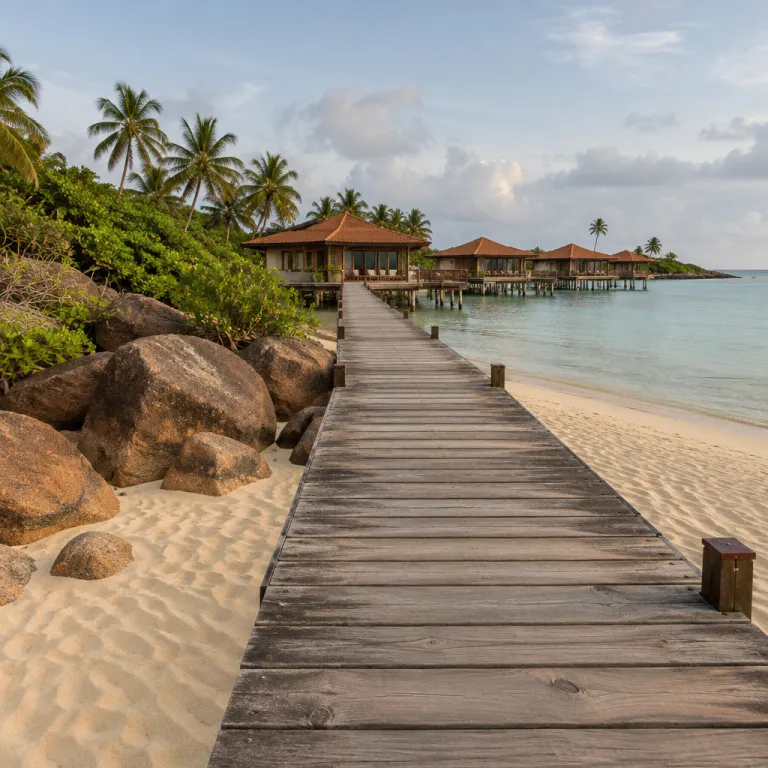
Why Alphonse Island is the quiet heart of the Seychelles outer islands
Alphonse Island lies on the south western edge of the Seychelles outer islands, encircled by the Indian Ocean and sheltered by a luminous coral reef. This remote island Seychelles location gives guests a rare sense of seclusion, while the short fly transfer from Mahé keeps travel time manageable for a luxury holiday. The Alphonse Atoll forms part of the wider Alphonse group of islands, with nearby Saint François and Bijoutier enhancing the feeling of a private marine sanctuary.
The island Alphonse landscape is defined by white sand beaches, coconut groves, and shallow water that glows turquoise at every tide. Around the island, sand flats stretch far into the lagoon, creating a natural playground for saltwater fly anglers and for guests who simply want to wade in warm water for hours. This geography also shapes the island resort layout, with beach bungalows and suites positioned to frame sunrise on one side and sunset on the other.
For many travellers, the decision to fly from Mahé to Alphonse Island is about trading busy resorts for a slower rhythm and deeper connection with nature. Time on this island Seychelles retreat is structured around the tides, the light, and the daily movements of marine life rather than around shopping or nightlife. If you are planning island hopping across several Seychelles islands, Alphonse Island works best as the quietest chapter of your journey, after you have explored Mahé or Praslin.
Luxury here feels understated yet precise, with an island lodge that focuses on attentive service and meaningful experiences rather than formality. Guests will notice that every detail, from the bicycles waiting outside each villa to the chilled towels after a long day on the flats, is designed to support the climate and the environment. As one repeat guest put it, “By the third day I knew the tide times better than the time on my watch, and that was exactly the reset I needed.” This approach aligns with the strong conservation ethos that defines Seychelles Alphonse, where tourism revenue directly funds marine research and habitat protection.
Because the island is small, the number of guests is limited, which preserves the sense of space on the beaches and in the water. Even at peak travel periods, you can walk along the white sand for a long time without meeting another person, which is rare among Indian Ocean islands. For travellers used to larger island resorts closer to Mahé, the intimacy of Alphonse Island can feel transformative.
Planning your journey from Mahé to Alphonse Island for a seamless luxury stay
Reaching Alphonse Island begins with a Mahé departure from Seychelles International Airport, followed by a scheduled charter flight that usually takes around one hour. This short fly sector crosses a wide sweep of the Indian Ocean, giving guests a first aerial view of the outer islands and the Alphonse Atoll lagoon. Because seats are limited, it is wise to secure your travel dates early, especially if you plan to combine Alphonse with other Seychelles islands.
Most travellers spend at least one day or night on Mahé before or after their stay, which helps buffer any international flight changes. When planning your itinerary, consider the best month to visit Seychelles for a luxury island stay, as seasonal trade winds and rainfall patterns will influence sea conditions and visibility. Calm water and lighter winds usually mean smoother fly transfers, more comfortable time on the sand flats, and better conditions for both fishing and snorkelling.
The route between Mahé and Alphonse Island is straightforward, but luggage allowances on the fly transfer are stricter than on many long haul flights. Guests will need to pack with intention, prioritising lightweight clothing, reef safe sun protection, and any specialised fly fishing equipment that is not available to rent on the island. If you are planning island hopping that includes Praslin or La Digue, schedule those islands either before your Mahé–Alphonse leg or after your return, to avoid unnecessary backtracking.
Weather on Alphonse Island is typically warm and humid, with water temperatures that invite swimming at almost any time of day. Trade winds shift during the year, which affects where on the island the beach feels most sheltered and where the sand flats are most comfortable to wade. Aligning your travel dates with your priorities, whether that is saltwater fly fishing, snorkelling, or simply relaxing on the white sand, will help you get the best value from your stay.
Families and couples should also consider daylight hours, as sunset times influence when guided activities start and finish. A longer day means more time on the water, more time exploring Saint François, and more time to enjoy the island resort facilities between excursions. If you are unsure how to balance these factors, specialist Seychelles travel advisors can help match your preferred season with the specific experiences you want on Seychelles Alphonse.
Inside the island lodge and beach bungalows on Alphonse Island
The main island lodge on Alphonse Island serves as the social heart of the resort, with a pool, bar, and restaurant overlooking the water. Around this central hub, a collection of beach bungalows and villas lines the shore, each set back slightly from the beach for privacy while still offering direct access to the white sand. Interiors favour natural materials and soft colours that echo the surrounding island Seychelles landscape rather than compete with it.
Guests will find that the design of each beach bungalow balances comfort with the realities of a remote outer islands environment. High quality linens, efficient air conditioning, and thoughtful storage make longer stays easy, while outdoor showers and shaded verandas keep you connected to the sea breeze. The best units often face sunrise, giving early risers a quiet time to watch the light shift across the lagoon before the day’s activities begin.
Service at the island lodge is attentive but relaxed, with staff quickly learning your preferences for coffee, wine, or activity timings. Many team members have long experience on Seychelles Alphonse, which means they can share nuanced advice about when to walk the sand flats, where to swim at different tides, and how to plan your fly fishing sessions. This depth of local knowledge is one reason seasoned travellers rate Alphonse Island among the best island resort options in the Indian Ocean.
Dining focuses on fresh fish, seasonal produce, and flavours that reflect both Creole and international influences. On some evenings, tables are set directly on the beach, so guests can feel the sand underfoot while tasting grilled fish caught earlier that day. The island’s remoteness means menus are planned carefully, but the culinary team still manages to accommodate dietary needs with impressive flexibility and care.
For travellers comparing different Seychelles luxury resorts, Alphonse Island stands apart because the accommodation is integrated so closely with the environment. If you are researching Seychelles luxury resorts for travellers who want more than a beach escape, you will notice that Alphonse emphasises experiences and conservation as much as room categories. This philosophy shapes everything from the layout of the beach bungalows to the way the island lodge manages energy and water use.
Fly fishing, blue safari adventures, and life on the sand flats
Alphonse Island is globally recognised for its saltwater fly fishing, particularly for giant trevally, bonefish, and triggerfish. The Alphonse group, including Saint François and Bijoutier, offers extensive sand flats and channels that create ideal conditions for both novice and expert anglers. Many guests plan their entire travel itinerary around a week of guided fly fishing here, timing their stay to coincide with favourable tides.
Daily life for anglers often starts early, with a quick breakfast at the island lodge before boarding skiffs bound for the flats. Guides know every contour of the Alphonse Atoll and the neighbouring Saint François system, reading water movement and light conditions to position guests for the best shots at fish. On a good day, you might wade across ankle deep water for hours, scanning for the dark shapes of giant trevally or the subtle shadows of bonefish tailing on the sand.
Saltwater fly fishing on Seychelles Alphonse is strictly catch and release, with detailed conservation protocols designed to protect fish stocks and habitats. Guides will coach you on handling techniques, hook choices, and fight times to minimise stress on each fish before it is released. This approach ensures that both current and future guests can enjoy the same high quality fishing experience across the outer islands.
Beyond fishing, the island’s blue safari programme offers guided snorkelling, scuba diving, and ocean exploration trips tailored to different comfort levels. You might spend one day drifting over coral gardens with turtles and rays, and another day cruising the deeper blue water in search of dolphins. These excursions highlight the extraordinary biodiversity of the Indian Ocean around Alphonse Island, while also educating guests about the pressures facing coral reefs and pelagic species.
Non anglers will find plenty to fill their time, from stand up paddleboarding across calm lagoons to cycling the length of the island at sunset. Walking the beach at low tide reveals intricate patterns on the sand flats, with small fish and invertebrates sheltering in shallow pools left by the receding water. For couples seeking an intimate Seychelles escape at a private style island resort, it is worth comparing this experience with more traditional options such as an intimate Seychelles escape at JA Enchanted Island Resort, then deciding which rhythm suits you best.
Conservation, Saint François, and the future of Seychelles Alphonse
Conservation is not an optional extra on Alphonse Island; it is woven into every aspect of the island resort’s operations. The surrounding marine protected areas, including the Saint François flats and nearby reefs, are monitored by on site scientists who collect data on fish populations, coral health, and turtle nesting. According to information published by the Alphonse Foundation and Blue Safari Seychelles, revenue from guests directly supports this work, creating a clear link between your stay and the long term health of the Alphonse group ecosystem.
Daily briefings often include updates from the conservation team, so guests understand how their activities intersect with ongoing research. You might learn why certain sections of beach are closed during turtle nesting season, or how catch and release protocols for giant trevally have evolved over time. This transparency builds trust and helps guests appreciate why Seychelles Alphonse has become a frequently cited model for balancing high end tourism with environmental responsibility among the outer islands.
Excursions to Saint François are a highlight for many visitors, whether they come for fly fishing or simply to walk the vast sand flats. The island’s low profile and expansive flats create a surreal landscape, where the horizon seems to merge with the water and time feels suspended. On some days, you may share this entire area with only a handful of other guests, which reinforces the sense that you are experiencing one of the best preserved marine environments in the Indian Ocean.
Back on Alphonse Island, conservation principles influence everything from waste management to energy use and water treatment. The island lodge invests in solar power, careful desalination, and strict recycling protocols to reduce its footprint, recognising that fragile coral islands cannot absorb careless development. Guests are encouraged to participate in beach cleanups, turtle monitoring walks, or guided reef education sessions, turning leisure time into meaningful engagement.
For travellers comparing different island Seychelles options, this depth of conservation work can be a deciding factor, especially for families who want their children to see responsible tourism in action. When you choose to fly from Mahé to Alphonse Island rather than stay on larger islands, you are also choosing to support a specific model of sustainable travel. Over time, this model may influence how other Seychelles islands and Indian Ocean resorts manage their own balance between luxury and environmental stewardship.
Designing an island hopping itinerary that includes Alphonse Island
Many guests weave Alphonse Island into a broader island hopping journey across the Seychelles, combining it with Mahé, Praslin, or La Digue. A common pattern is to start with a few days on Mahé, then take the Mahé–Alphonse flight for a week on the outer islands before returning to civilisation. This structure allows you to enjoy both the cultural and culinary variety of the main islands and the deep quiet of the Alphonse Atoll.
When planning island hopping, think carefully about how you want your energy to flow across the trip. Some travellers prefer to begin with the most remote experience, flying directly from an international arrival to Alphonse Island, then returning to Mahé for a softer landing with more restaurant and spa options. Others like to end with Alphonse, using the island’s slow rhythm, empty beach, and warm water as a final reset before the flight home.
Because the Mahé departure schedule for Alphonse flights is fixed on specific days, your wider itinerary will need to flex around those timings. It is wise to leave at least half a day on either side of the Mahé–Alphonse leg to absorb any delays and to enjoy the main island without rushing. During these buffer periods, you can explore different beaches on Mahé, sample Creole cuisine, or visit viewpoints that frame the surrounding islands and the Indian Ocean.
Travellers who value variety might pair Alphonse Island with a smaller private island resort closer to Mahé, creating a contrast between two very different interpretations of Seychelles luxury. One stay might focus on spa treatments, wine lists, and easy snorkelling, while the other centres on fly fishing, conservation, and long days on the sand flats. This kind of layered itinerary often delivers the best overall experience, especially for couples or groups with mixed interests.
Whatever sequence you choose, remember that time on Alphonse Island tends to feel fuller than the calendar suggests, because each day is structured around tides, light, and the movement of fish and wildlife. Building in quiet days with no scheduled activities allows you to absorb the island’s atmosphere, walk the white sand without a plan, and simply watch the water shift colour as the sun moves. That balance between activity and stillness is what makes Seychelles Alphonse such a powerful anchor point in any Seychelles island hopping journey.
Who Alphonse Island suits best and how to choose your stay
Alphonse Island is particularly well suited to travellers who value nature, privacy, and purposeful experiences over nightlife or shopping. Anglers drawn by world class fly fishing for giant trevally and bonefish will find the Alphonse group and Saint François among the best saltwater fly destinations on the planet. At the same time, non fishing partners and families can enjoy a full programme of blue safari activities, from snorkelling and diving to guided nature walks.
Couples seeking a refined yet relaxed escape will appreciate the scale of the island lodge and the spacing of the beach bungalows along the shore. There is enough structure to each day, with scheduled excursions and meal times, to feel cared for, but also enough freedom to wander the beach or cycle through the coconut groves alone. For many guests, the most memorable moments are simple ones, like watching fish move through clear water at dusk or listening to the wind in the palms at night.
Families with older children who are confident swimmers will find Alphonse Island especially rewarding, because so many activities take place on or in the water. Younger guests can learn about conservation first hand, help monitor turtle nests, or try their first cast on the flats under the guidance of experienced fly fishing instructors. These shared experiences often become the stories that families retell long after the trip, anchoring their memory of the Seychelles in something deeper than a standard beach holiday.
When choosing how long to stay, consider both your main interests and the travel time required to reach the outer islands. Anglers often prefer at least a week to make the most of tide cycles and to target different species across the Alphonse Atoll and Saint François flats. Non anglers might opt for a slightly shorter stay, balancing days on Alphonse Island with time on Mahé or other Seychelles islands that offer more cultural and dining variety.
Whatever your profile, the key is to align your expectations with the island’s character: this is a place for early mornings, long days outdoors, and evenings under the stars rather than late night bars. If that rhythm appeals, then Alphonse Island will likely feel less like a simple island resort and more like a temporary home at the edge of the Indian Ocean. For travellers who want their Seychelles journey to carry meaning as well as beauty, that combination is hard to match.
Key figures and practical statistics about Alphonse Island travel
- The flight from Mahé to Alphonse Island typically takes around 60 minutes, covering roughly 400 kilometres across the Indian Ocean; this indicative distance is based on information published by Blue Safari Seychelles and standard charter routing to the Seychelles outer islands.
- Water temperatures around Alphonse Atoll usually range between about 26 and 29 degrees Celsius, according to climate data for the Seychelles region from sources such as the Seychelles Meteorological Authority and long term Indian Ocean sea surface temperature records.
- Guest capacity on Alphonse Island is generally limited to a few dozen guests at any one time; this approximate figure reflects the number of keys and occupancy patterns reported by the island resort, and keeps visitor density low compared with larger Seychelles island resorts that can host several hundred people simultaneously.
- Catch and release records from conservation programmes in the Alphonse group, as summarised by the Alphonse Foundation and partner fisheries reports, indicate that anglers can encounter multiple giant trevally in a single tide cycle during peak conditions, highlighting the productivity of the surrounding sand flats and reef systems.
- Many travellers choose stays of 5 to 7 nights on Alphonse Island, a duration commonly recommended by Seychelles specialists and the island lodge itself, which allows enough time to experience both Saint François and the main island while also justifying the travel time from Mahé and international gateways.
FAQ about Alphonse Island and Seychelles luxury travel
How do I get from Mahé to Alphonse Island ?
Travel to Alphonse Island is via a scheduled charter flight from Mahé, departing from Seychelles International Airport on specific days each week. The flight usually takes about one hour and lands on the island’s private airstrip, after which guests are transferred by vehicle to the island lodge within minutes. Because seats are limited, it is important to coordinate your international flights with the Mahé departure schedule when planning your trip.
Is Alphonse Island suitable for non anglers and families ?
Yes, Alphonse Island offers a wide range of activities beyond fly fishing, including snorkelling, diving, paddleboarding, cycling, and guided nature walks. Families with older children who are comfortable in the water often find the combination of beach time, blue safari excursions, and conservation activities very engaging. The island lodge can tailor daily programmes to different ages and interests, ensuring that both anglers and non anglers enjoy their time.
When is the best time to visit Alphonse Island ?
The best time depends on your priorities, as weather, wind, and tide patterns shift during the year. Anglers often choose periods with favourable tides for giant trevally and bonefish, while snorkellers and divers may focus on months with calmer seas and clearer water. Consulting a Seychelles specialist or a detailed guide to the best month to visit Seychelles for a luxury island stay can help align your dates with your preferred activities.
What level of luxury can I expect on Alphonse Island ?
Alphonse Island offers a refined yet relaxed style of luxury, with comfortable beach bungalows, high quality dining, and attentive service at the island lodge. The focus is on meaningful experiences, access to pristine nature, and strong conservation practices rather than on opulent décor or extensive nightlife. Guests can expect excellent food, well maintained facilities, and personalised guidance for activities across the Alphonse Atoll and Saint François flats.
Can I combine Alphonse Island with other Seychelles islands in one trip ?
Yes, many travellers design island hopping itineraries that include Mahé, Praslin, La Digue, and Alphonse Island in a single journey. A common approach is to spend a few days on Mahé before or after the Mahé–Alphonse flight, using the main island as a hub for cultural experiences and additional beaches. With careful planning around flight schedules, you can create a balanced itinerary that showcases both the accessible inner islands and the remote beauty of the outer islands around Alphonse.